


Free book: The Polyglot Project, with 534 pages on learning languages

Full disclosure: This post contains affiliate links. ?
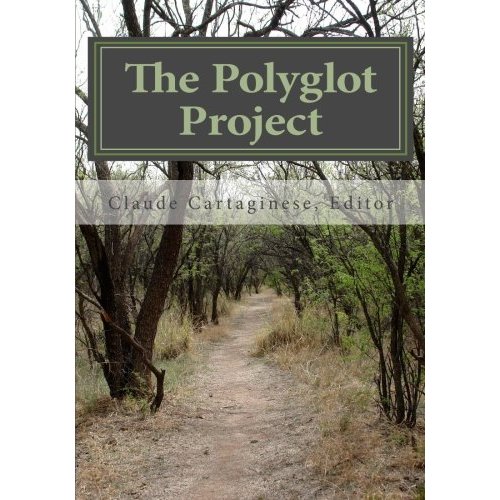
Today I've got a real treat for you: almost 140,000 words across 534 pages, packed with free advice and first-person stories about learning languages.
Claude Cartaginese brought the project together by gathering advice from dozens of “youtube polyglots, hyper-polyglots, linguists, language learners and language lovers” in one free book.
The result is deliberately varied, with short, to-the-point advice, biographies of very different lengths, and personal stories.
I already knew several of the contributors, including Moses McCormick, Stuart Jay Raj and Anthony Lauder. All three had also contributed to the Language Hacking Guide, and there are plenty of other contributors I'd spoken with (or sometimes argued with) before the book appeared.
Claude got in touch just as the project was coming to a close, and I was happy to contribute my own chapter, covering the same communicative approach I wrote about in the Language Hacking Guide and on this blog.
Mind you, I still disagree with some of the book's enthusiasm for overstudying, and with claims that any one tool, including LingQ, is the answer. That's part of what makes the collection useful, though: the contributors don't all agree. Some lean towards input and study, while I put more emphasis on speaking and regular practice. If you're weighing those approaches, I later explored comprehensible input and speaking in more detail.
If your learning or study plan could use some fresh ideas, or you simply enjoy reading about how other language learners work, you'll probably find something useful in The Polyglot Project.
A note from the Fluent in 3 Months team before we get started: You can chat away with a native speaker for at least 15 minutes with the “Fluent in 3 Months” method. All it takes is 90 days. Tap this link to find out more.
Free download
The PDF and EPUB are still hosted here. The PDF preserves the original layout, while the EPUB is easier to read on most e-readers and can also be sent to current Kindle devices and apps. A few foreign characters were lost during the old EPUB conversion, so use the PDF if you want the source as it appeared.
There's also a legacy Mobi file for older devices, although Amazon now recommends EPUB rather than Mobi for current ebook workflows.
Choose a format:
My contribution begins on page 228 of the PDF, or you can choose my name in the EPUB or Mobi table of contents.
Printed copy
The print edition was published in 2010 under ISBN 978-1-4538-9824-6. Availability and price now vary by seller, so you can check the current Amazon listing, while the free downloads above remain the complete 534-page book.

Social