Join over ¼ million
monthly
readers!

Contact Me

Current mission

Travel China using
the Mandarin I
learned in 3 months!

Previous post:

Next post:

The shy delusion

| 105 comments | Category: positive mentality

This is another post that is going to ruffle some feathers, but it has to be said.

YOU ARE NOT SHY. Stop describing yourself as such.

How can I be so bold as to claim that almost nobody reading this is actually shy? Well, because everyone says they are shy. Sound contradictory?

When pretty much everyone says it, the meaning of the word gets watered down to nothing.

People’s identification with shyness and/or introversion comes from something similar to the Forer effect, where a vague personality description is identified as “very accurate” by the large majority. It’s the basis of the entire astrology industry; sell people a generic description that sounds accurate “only” about them and they’ll buy it.

The original test run by Forer, and repeated by many many others like Derren Brown (click to see the video) had the following or similar text (among other suggestions) that almost everyone gave a 5 out of 5 rating for accuracy:

“At times you are extroverted, affable, sociable, while at other times you are introverted, wary, reserved.”

Besides heaps of scientific research to show how almost everyone would rate this description as spot on, my own experience in talking to people confirms that they will produce the same generic description of themselves when I meet them. This makes it totally meaningless and they may as well burp in terms of telling me anything about themselves.

Your basis of comparison doesn’t exist

It would seem that in our own heads we have a typical idea of what a complete extrovert is – the “life of the party” guy/gal who strolls in and confidently talks to everyone and who everyone loves. They never doubt themselves and don’t ever have moments where they too would go into their heads or feel that they just don’t want to be social at times.

This mythical creature doesn’t exist (unless they have undergone some intensive social de-programming). I have met many people who are the stereotypical social party animal and you know what? They identify with the exact same Forer description as above. Party animals tell me how shy they are and compare themselves to even higher-level party animals who would likely do exactly the same thing.

Everyone doubts themselves and everyone is “shy” in a situation they are not comfortable with. If everyone is shy, it means nothing. It would be like saying “everyone is short”.

People’s ability to judge their own level of introversion/shyness is horrible. They use an exaggerated basis of comparison, not realising that the rest of the planet is doing precisely the same thing. If we were to all compare ourselves to Michael Jordan, then of course “everybody” would be short. Using the extreme as the basis of comparison, rather than a middle average, is worthless.

I don’t like shallow conversations and need some me-time

Do you feel more comfortable in certain situations and much prefer to talk to people about particular topics? Do you prefer to have some time alone to do your own thing? Are you uncomfortable in unfamiliar surroundings and sometimes worry about what people might think of you? Do you prefer quality and depth rather than quantity and shallowness of conversations?

Do you also breath air and drink water? Congratulations – you’re just like everyone else.

This post was inspired by a topic on extroverts vs introverts on the How to Learn Any Language forum, and I found it frustrating to see how much generic rubbish (as listed above) people used to describe themselves as an introvert. Introversion and shyness are different (a ‘shy’ person may actually desperately want to be social, whereas an introvert takes more pleasure out of non-social interactions than extroverts would), but because the end result of less socialising is more or less the same they have a lot in common.

Of course, I’m not saying that the entire concept of shy vs extroverted is in our heads. There are people that genuinely do get more energy out of social interactions than others, even if occasionally superficial, and those that prefer to be on their own most of the day. There are also those with autism who really cannot participate easily in social interactions.

But the problem is that most of us identify with the extreme end of introvert/shy. There are exceptions – those who identify with introverts and really are much better off spending most of their time in reflection and study, and even those who are honest enough with themselves to admit that they are genuinely on the extrovert end of the scale.

My problem is with the vast majority of people who are in the middle – or “ambiverts” if you will, and yet identify themselves as introverts or shy.

How a definition can define you

So what’s the big deal? Why am I so annoyed about this and why am I bringing it up on this blog?

It’s because identifying with this definition of yourself (which is not what is actually unique about you, if almost everyone else claims it too) will decide what your limitations are. When you are sure that you are shy or an introvert, then whether it’s true or not, it will become true.

It’s a self-fulfilling prophecy.

Why can’t you walk up to that stranger and say hi? “Because I’m shy”. Bullshit.

This identification with being shy is stopping you and limiting you. Some people have genuine reasons for not wanting to trust strangers, and that’s fine, but “I’m shy” as an excuse is totally bogus. Be honest with yourself. You can’t talk to that stranger because you have decided you are too shy to do it.

How can I so arrogantly presume how many people’s minds work? Because I used to identify with shyness. I thought it was an inherent part of my being and personality – encoded into my genes. Or perhaps going to an all boys catholic school followed by studying an intensive technical subject and not socialising much sculpted me into being an introvert and preferring the company of books and TV to people.

And you know what I’ve realized over the last 8 years on the road? If I had to give you one piece of advice to gain confidence in socialising with more people, it would be to stop with this “I’m too shy” nonsense.

No self-help book or even blog post like this can magically make you more social – you have to stop being scared to meet new people. Stop thinking about all the things that can go wrong if you talk to someone, stop reminding yourself how shy you are. Just bloody go up and speak to them!

I’m not saying introversion is “wrong” – there are things that people who spend all their time with others can’t appreciate about self-reflection, focused studying and even just down time to be quiet. But the reverse is also true – there is a movement of proud introverts who snub social people as superficial and I find this arrogant and superficial judging nothing less than hypocritical.

There is only so much you can learn from books and from going into your own head. Sometimes you absolutely need to spend time with others and can’t learn more about what you want without them (in my case speak a language fluently).

I can now confidently say that I am an extrovert. And yes, I do want to convert more people to being confident and social. Pep talks can only do so much – sometimes you have to just be social. Stop analysing the reasons why you can’t and just make that phonecall or send that message on Facebook to meet up. Or better yet, walk up to that person, tap them on the shoulder and say “hi!” The worst that can happen is that you can be right back where you started.

When I’m out with a “shy” person, I make a point to see who they’d like to talk to and push (sometimes literally) them into that group. They never regret it. I met a shy girl in Berlin and showed her my “amazing” glass clink trick. She talked to me for several minutes about how shy she was and so I grabbed her glass as she held it, walked her up to someone she wanted to talk to, clinked it and ran away before he had time to see me. I gave her an initial boost, (which technically was just moving her arm muscles for her – no words needed) but the rest of the night she tried it and made many many friends.

It was that easy. I’m writing about this so confidently because I have done this so many times. I have made shy people very social by action rather than psychologically analysing them.

When someone says “I’m shy” to me, what I actually hear is “I just need a tiny nudge and then I can be as social as you”.

Speak, for heaven’s sake!

The reason this point annoys me so much is because it comes up repeatedly in a language learning context, especially since my advice is so communicative and relies on speaking with others. “But I can’t, I’m too shy – what will they say when I make mistakes?”

Sorry for being so blunt…. but don’t be such a sissy!

I’m not going to dig you out of your introvert hole using introvert if-then logic. I’ll drag you out kicking and screaming if I have to, and push you into a real-life social situation with no mental preparation, so you can get used to how us extroverts genuinely do it ourselves.

I can talk to any stranger not because of conquering some non-existent psychological trait. It’s because I stopped thinking that trait into existence before doing anything social.

Maybe you’ll thank me for it, or maybe you’ll be a cry baby and say I don’t respect your shyness. So be it – I want to help as many people achieve their dreams as I do, and sometimes it requires a slap in the face. I see shyness as the non-real Matrix that too many people are stuck in.

So what’s it going to be – are you going to get back into your shy convert zone, or are you going to look back at the matrix of shyness and realize that it’s a reality you’ve created for yourself?

———–

If you are the 1% of people who really are introverts, then I’m sorry. I’m sorry not for writing this post, but that so many “ambiverts” are diluting what you really are. If you’re an ambivert (half introvert, half extrovert) like pretty much everyone else, then stop identifying with the part that is limiting you.

Now let the sea of “you’re wrong” commence in the comments below! What do I know – I don’t have a degree in psychology or anything, I just talk to lots and lots of people. Take my words as wisdom or ramblings as you wish. If you think I’m on to something, please share this with your “shy” friends on Facebook ;)

***********************

Want more language learning tips and cool links delivered to your inbox, as well as two free chapters of the Language Hacking Guide? Join the Language Hacking League by entering your e-mail on the top-right of the site!


This article was written by

Comments: If you liked this post or have anything to say, please leave a comment! I love reading them :) You don’t even have to write in English! I will reply to all comments in any language listed on the right with the flags.
Just keep in mind that I’ll delete any comments that:
1. Are unnecessarily nasty and mean to me or any other commenter or otherwise totally inappropriate.
2. Are irrelevant to the particular post they follow, or leave a link to a site that is totally irrelevant or are clearly spam. If you have a general language learning question, please ask it in the forums.
3. Use a commenter name of a business or brand instead of a human being or a spammy temporary disposable e-mail service, or a clearly fake address.
But that’s not you, so don’t worry! Can’t wait to see what you have to write… don’t be shy!! :)


———————————–

  • http://www.yearlyglot.com/ Randy the Yearlyglot

    You’re totally wrong. We’re all actually hyper-introverts, suffering from a condition we have no control over, which renders us unable to be awesome, and does so completely against our will, because obviously we all WISH we were awesome, but not enough to actually do something about it. Excuses are nice, and you’re trying to take those away from us. Aaaaggghhh!!!!! Cognitive dissonance!!!!! I don’t even know who I am anymore!!!!

    • http://www.fluentin3months.com/ Benny the language hacker

      You’re starting a lot of your comments recently with “you’re totally wrong” :P

      • http://www.yearlyglot.com/ Randy the Yearlyglot

        No I don’t! You’re wrong! :)

        Yeah, I guess I need to add some more variety to my ironic comments.

  • http://www.gobackpacking.com Dave

    Wow, so much I can identify with in this post, I can’t possibly quote it all. As a guy who use to be a lot more shy, I’ll just say it’s spot on. Becoming a more outgoing, socially confident person is a big part of why I wanted to travel for an extended time — I felt like I was a different person on the road. And after my 20-month ’round the world trip, I definitely arrived back in the USA a changed person, for good this time.

    One thing I’d add to this post, which you might’ve mentioned, is that it takes time to become that socially outgoing person. It won’t happen overnight — deprogramming yourself after years of affirming one’s shyness ain’t easy, but it can be done.

    If someone’s really having trouble, they should read up on “social anxiety disorder” as cognitive behavioral therapy can be an effective approach.

    • http://www.fluentin3months.com/ Benny the language hacker

      Yes, I was impressed in seeing the ease with which you could talk to those strangers on Saturday night! You’re an excellent example of someone who worked over time and did indeed achieve a much more social personality!
      Indeed it does take time, and I didn’t make the switch overnight myself either. But the quickest way is through as much social exposure as possible.

  • http://twitter.com/marcinsamsel Marcin Samsel

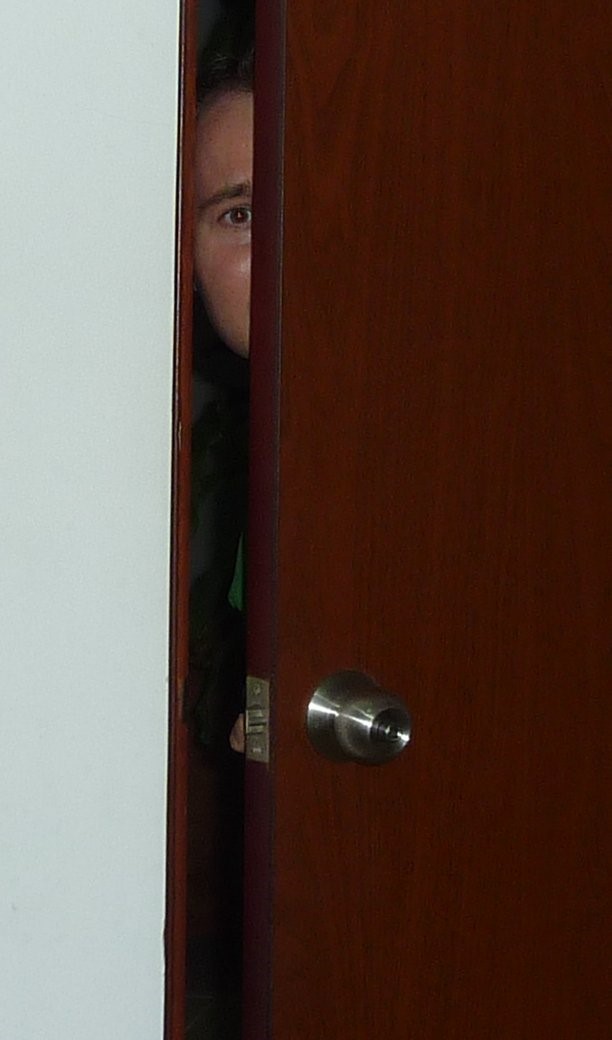
    Haha this photo cracks me up!

    I wholeheartedly agree with you Benny. A few years ago I considered myself a super shy person. Fortunately, I decided to fight with this self-fulfilling prophecy and now I’m way more “extrovert” than before (and I’m still working on my social skills). The key is to constantly step outside one’s comfort zone.

    • http://www.fluentin3months.com/ Benny the language hacker

      Absolutely! I hope others are reading comments like this to see that there are MANY extrovert-converts. Being shy is not a life sentence :)

  • http://www.fluentin3months.com/ Benny the language hacker

    I don’t think I’ve ever said that any method of learning is wrong and I’d appreciate if you didn’t make such silly claims ;)

    If someone wants to read a language well, understand podcasts and movies and pass exams then much less of my advice will be applicable. There is no “wrong” way to learn a language when there are so many end goals.

    However, if you want to speak well as soon as possible, then speak a LOT. Lots of practice is the way to speak well. If anyone doubts this then I will say they are wrong. People who prepare with lots of study in advance etc. aren’t “wrong”, they are just reaching spoken fluency slower than those who practice frequently.

    • Xeno_panda

      I see. My primary goal is reading comprehension because it’s more useful for me, not speaking. I think the arguments about flashcards on another blog got under my skin. (who knew people could be so passionate about something like that??) Thank you for replying. :)

      • http://www.fluentin3months.com/ Benny the language hacker

        Yes, that would be Randy’s blog. I tried flashcards and found them somewhat beneficial for speaking, but not as good as practice. I use them to pass the time when I’m waiting for a bus or something, but think it absolutely cannot be a major part of studying to reach fluency.

        However, I think for the purposes of reading, where recognition (rather than production) is focus they would indeed be an excellent means of studying.

        Thanks for the comment ;)

      • http://twitter.com/chrissarda Chris Sarda

        Something that has to be understood about this new medium of blogging xeno is that in sea of voices you have to make yourself seen and that comes from writing and titling posts in ways that make people want to read the post and comment.I don’t know any of the language bloggers that would tell you that you shouldn’t do what you want, but there are a whole whole lot that would say something is completely unhelpful, sometimes they may say it’s just about useless (randy with flash carding, benny with rosetta stone, steve kaufmann with pimsleur ect), but blogging as a medium is about telling people what you think, it’s basically one big place to read someone’s editorials except you get to discuss it in the comment section. Sometimes the blogger and commenter take it all too personal, but then blogging is still a new medium, my advice is don’t worry and don’t be afraid to give your opinion, but at the same time there’s nothing anyone writes on these blogs that should ruffle your feathers.The best way to prove your system works anyway is to be able to say “Look at these languages I learned by doing it this way.”

  • http://twitter.com/Z_Ha_Dum Christoffer Ohlsson

    You really think that those that actually are shy and think you’re wrong and mean will dare comment? ;)

    It’s really putting yourself out there to get rejected and ridiculed to post a comment on a ‘controversial’ subject online :O

    • http://www.fluentin3months.com/ Benny the language hacker

      That’s the whole point! They AREN’T shy. I am absolutely sure that people who claim to be shy will confidently tell me how wrong I am. The confidence in their reply will ironically prove me right. You can see lots of examples of this in the forum I linked to.

  • http://twitter.com/HernandezTony Antonio Hernandez

    I’m not saying anything. Just hiding in the corner, overhearing. Don’t mind me. *whimper*

  • Anonymous

    Way to go, Benny… This is a great post. It is so true that “I’m shy” is a self-fulfilling prophecy. It is an excuse that actually turns in to a curse. The only person you can change is yourself, but if you are declaring yourself to be “shy” then you have just decided what you will be.

    The best thing to overcome shyness is to just be social, as you say… Find something to say. Comment on anything. Ask an open ended question about it… It’s as simple as saying “What do you think about ____ ? Why do think that?”

    Of course one benefit to deciding not to be shy is that you end up having much more conversation, which accelerates learning of all kinds, especially language learning.

    • http://www.fluentin3months.com/ Benny the language hacker

      Absolutely – I don’t ever need “lines” to be able to talk to new people. I just ask them a question that is genuinely on my mind, even if it’s something silly.

      Yes, lack of shyness is a major help in language learning!

  • http://www.fluentin3months.com/ Benny the language hacker

    Excellent way to look at it! I’ll have to quote you on that next time someone says “what if she doesn’t want to talk to me?” :)
    People forget that the extroverts also get shrugged away. I got a couple of nos from girls I invited to dance on Saturday night. The whole point isn’t that you will avoid these reactions from being social, but that you learn to accept them as not being a big deal.
    One way I convince people to try to meet more people is to actually get a blank response as the goal. This way there is no disappointment – either they get the turn down and they were successful in the objective, or they don’t and a social interaction begins.

    Aw, thanks for the compliment! I try to mix up the posts a bit, but always gravitated towards language learning (“shyness” is a major thing holding people back from progressing, but luckily this post would be interesting to non-language learners too obviously).

    Glad you like my writing! Always feel free to comment!

  • http://www.fluentin3months.com/ Benny the language hacker

    My previous preference was also initially to stay on my own. I’m convinced that being more social it is something anyone CAN learn to both do and to appreciate.

    To speak a language fluently for example I think working on social skills and exposure to real social situations is crucial. I’m glad to see you pushed yourself to go out ;)

  • http://twitter.com/diarmuidh Diarmuid Hayes

    Had to do some volunteering for Haiti before a rock concert the other night..was quite nervous/shyness initially but after one attempt at talking to a random person and asking them to contribute the shyness left-if you think of your goal you can overcome anything..would be a bit more difficult to go up to a random pretty girl in the metro though ;)

    • http://www.fluentin3months.com/ Benny the language hacker

      I wouldn’t approach a girl in a metro, better to do it at a social event – she’ll be more open to making new friends then.

  • http://www.fluentin3months.com/ Benny the language hacker

    Not giving up is the major key to success in all this- keep it up! :)

  • http://www.fluentin3months.com/ Benny the language hacker

    Thanks for that affirmation Vic – great to see people using my advice! :)

  • Anonymous

    I liked how analytical this post is regarding shyness. I think a balance is needed of talking at the right time vs. avoiding to talk too much to listen (especially from the “shy”).

    • http://www.fluentin3months.com/ Benny the language hacker

      A balance is always a good thing. I think most of us would naturally talk at the right time and not be machine guns of talkativeness if coming from a shy mindset, so I just talk about the other end of the balance in this post ;)
      Glad you liked the logical analysis!

  • Anonymous

    I liked how analytical this post is regarding shyness. I think a balance is needed of talking at the right time vs. avoiding to talk too much to listen (especially from the “shy”).

  • http://www.fluentin3months.com/ Benny the language hacker

    Yes, it seems that many e-mails I get are about social skills and overcoming shyness. Luckily it is totally relevant to learning languages, but I’d like to delve into this again in future :)
    Thanks for the comment and the RT! :)

  • http://www.fluentin3months.com/ Benny the language hacker

    Travel created the pressure for me to NEED to be social or simply have no friends at all. I’m glad for this because this pressure forced me to adapt my personality and accept that shyness really wasn’t a life-sentence for me.
    Getting lots of positive experiences does indeed drown out the negative ones :)

  • http://www.fluentin3months.com/ Benny the language hacker

    “I prefer to talk to natives for whom I’m more sure that the topic of our conversation is going to interest me” – this is exactly the kind of generic stuff I was talking about. It means nothing, since pretty much EVERYONE will identify with it. I can assure you that if the conversation is going to be about the weather/shoes/how great Macs are, I’ll be looking for the nearest exit.

    If you like being alone that’s great – but as I said in this post there are advantages to socialising, and you can learn to appreciate them. I also much preferred being alone to being with people 8 years ago. So yes, I think people can learn to appreciate both alone time and social time (if shy) or trying to balance both rather than focusing on being alone (if an introvert).

    Some information can ALSO only be communicated by spending time with human beings. I’m not telling people to burn books and stop reflecting. I’m telling them to appreciate and embrace human interactions more.

    A world of nothing but extreme extroverts would be just as bad as a world with nothing but extreme introverts. A balance is best, so a post like this is pushing people more towards the middle.

  • http://www.fluentin3months.com/ Benny the language hacker

    There are indeed people who can’t overcome feeling very stressed in social situations due to genuine social anxiety and I don’t want to demean that in any way. My beef is with lazy people (i.e. the majority) who identify with shyness and who have nothing actually stopping them from trying. For them it really is just in their head – for others (1% perhaps) it’s a deeper issue.

    Although I still think most people are ambiverts. An “introvert” would get energised from being in a social situation they are absolutely totally familiar and comfortable with, likely with a small group of friends, perhaps praising them from something they did cool and an “extrovert” would have certain social situations that would drain his energy that he’d want to get away from asap.

    Almost everyone can identify with both, so I’d argue that most people are indeed in between and NOT an either/or. If you have genuine social anxiety, then of course you are the 1% in the extreme, and it pisses me off that too many people who claim to have social problems and actually just need a tiny budge say they are in the same boat as you.

    Glad you liked the post! :)

  • http://www.fluentin3months.com/ Benny the language hacker

    There are indeed people who can’t overcome feeling very stressed in social situations due to genuine social anxiety and I don’t want to demean that in any way. My beef is with lazy people (i.e. the majority) who identify with shyness and who have nothing actually stopping them from trying. For them it really is just in their head – for others (1% perhaps) it’s a deeper issue.

    Although I still think most people are ambiverts. An “introvert” would get energised from being in a social situation they are absolutely totally familiar and comfortable with, likely with a small group of friends, perhaps praising them from something they did cool and an “extrovert” would have certain social situations that would drain his energy that he’d want to get away from asap.

    Almost everyone can identify with both, so I’d argue that most people are indeed in between and NOT an either/or. If you have genuine social anxiety, then of course you are the 1% in the extreme, and it pisses me off that too many people who claim to have social problems and actually just need a tiny budge say they are in the same boat as you.

    Glad you liked the post! :)

  • http://www.fluentin3months.com/ Benny the language hacker

    There are indeed people who can’t overcome feeling very stressed in social situations due to genuine social anxiety and I don’t want to demean that in any way. My beef is with lazy people (i.e. the majority) who identify with shyness and who have nothing actually stopping them from trying. For them it really is just in their head – for others (1% perhaps) it’s a deeper issue.

    Although I still think most people are ambiverts. An “introvert” would get energised from being in a social situation they are absolutely totally familiar and comfortable with, likely with a small group of friends, perhaps praising them from something they did cool and an “extrovert” would have certain social situations that would drain his energy that he’d want to get away from asap.

    Almost everyone can identify with both, so I’d argue that most people are indeed in between and NOT an either/or. If you have genuine social anxiety, then of course you are the 1% in the extreme, and it pisses me off that too many people who claim to have social problems and actually just need a tiny budge say they are in the same boat as you.

    Glad you liked the post! :)

  • http://www.fluentin3months.com/ Benny the language hacker

    There are indeed people who can’t overcome feeling very stressed in social situations due to genuine social anxiety and I don’t want to demean that in any way. My beef is with lazy people (i.e. the majority) who identify with shyness and who have nothing actually stopping them from trying. For them it really is just in their head – for others (1% perhaps) it’s a deeper issue.

    Although I still think most people are ambiverts. An “introvert” would get energised from being in a social situation they are absolutely totally familiar and comfortable with, likely with a small group of friends, perhaps praising them from something they did cool and an “extrovert” would have certain social situations that would drain his energy that he’d want to get away from asap.

    Almost everyone can identify with both, so I’d argue that most people are indeed in between and NOT an either/or. If you have genuine social anxiety, then of course you are the 1% in the extreme, and it pisses me off that too many people who claim to have social problems and actually just need a tiny budge say they are in the same boat as you.

    Glad you liked the post! :)

  • Lisa

    Nice post. I think you wrote something about this before, because I remember commenting on this blog about that I have an autistic disorder and can’t always help being ‘shy’. I’m not shy at all at the moment though, and that’s not because I said to myself I shouldn’t be shy, it’s because I’m not depressed anymore and made some friends. A year ago I was pretty depressed, had no friends, and hardly talked to people at all, and really, you can’t just decide to stop being shy in such a situation… I do agree with you though!

    • http://www.fluentin3months.com/ Benny the language hacker

      I agree 100%, but it’s very important to be honest with yourself about the cause.
      So rather than say “I’m shy AND I’m depressed” the truth was actually “I’m depressed and don’t feel like being social because of that”. It’s a minor distinction, but important as it doesn’t identify shyness as an inherent character trait. If you overcome depression (which obviously takes way more than just deciding not to be depressed), then overcoming shyness is simply a part of the package ;)

  • http://howlearnspanish.com/ Andrew

    Yup, but to be honest my general experience with people like this is that they can’t be convinced otherwise (it’s almost like you’re dealing with a die-hard victim mentality–perhaps that’s what it is) so I just don’t bother arguing with them. I know they’re not going to learn a new language unless they spend a LOT of time talking to native speakers, regardless of nearly everything else they do, so I just remain polite and humor them but think “Nope, you’re screwed, you’re not getting fluent in ___….ever. Dude, just give up and go spend your time learning something that doesn’t require you to interact with people.” I don’t say this, because in my experience if you do 99% of the time they just get mad at you and it doesn’t do anything at all to change their mind :(

    I’m all for helping people, don’t get me wrong, but in my experience you can only help those who WANT to be helped. When someone says “How can I find native speakers to talk with?” or “Should I start talking with native speakers now?” or “When should I actually start conversing with native speakers?”, THEN my eyes light up and I mentally vomit onto them everything I can think of that will help them find natives to practice because these people actually WANT help and are open to talking with native speakers. When someone says they can’t talk with natives for some reason, I just nod politely and humor them–do you think that’s wrong? Do you have some Vulcan mind-meld trick you know about that I don’t that will work on them or something? :D

    Cheers,
    Andrew

    • http://www.fluentin3months.com/ Benny the language hacker

      It’s hard to convince people who are very experienced with coming up with seemingly logical arguments for why they should maintain the status quo. That’s why I usually don’t argue with them and just push them (sometimes yes, literally) into a social situation so they can see the world really doesn’t end.

  • http://howlearnspanish.com/ Andrew

    Yup, but to be honest my general experience with people like this is that they can’t be convinced otherwise (it’s almost like you’re dealing with a die-hard victim mentality–perhaps that’s what it is) so I just don’t bother arguing with them. I know they’re not going to learn a new language unless they spend a LOT of time talking to native speakers, regardless of nearly everything else they do, so I just remain polite and humor them but think “Nope, you’re screwed, you’re not getting fluent in ___….ever. Dude, just give up and go spend your time learning something that doesn’t require you to interact with people.” I don’t say this, because in my experience if you do 99% of the time they just get mad at you and it doesn’t do anything at all to change their mind :(

    I’m all for helping people, don’t get me wrong, but in my experience you can only help those who WANT to be helped. When someone says “How can I find native speakers to talk with?” or “Should I start talking with native speakers now?” or “When should I actually start conversing with native speakers?”, THEN my eyes light up and I mentally vomit onto them everything I can think of that will help them find natives to practice because these people actually WANT help and are open to talking with native speakers. When someone says they can’t talk with natives for some reason, I just nod politely and humor them–do you think that’s wrong? Do you have some Vulcan mind-meld trick you know about that I don’t that will work on them or something? :D

    Cheers,
    Andrew

  • http://hessiess.com Hessiess

    My social issues are caused not by ‘shyness’ but by Asperger’s Syndrome. Social interaction does not come naturally to me, I have to manually “emulate” this behavior. That results in frequent conversion stalls and mis placed behaviors; driving people away.

    My behavior in social situations is created by mimicking the behavior of others, if I run into a situation I do not have a behavior for, which happens all the time, everything grinds to a halt as I have no idea what I am supposed to do next.

    • http://www.fluentin3months.com/ Benny the language hacker

      Sorry to hear about those difficulties! Obviously Asperger’s Syndrome is not something you can simply will away. This post is directed at the vast majority of the planet that don’t have any genuine excuse other than a faulty mindset, and it pisses me off that they claim to be in the same boat as you, when some minor nudging and a bit of practice can genuinely convert them into more outgoing people.

      • http://hessiess.com Hessiess

        Some people just have no motivation. Even with the disability I am still working to develop myself. I am improving slowly, mainly by learning more responses and improving the speed of my emulation. I do have a social anxiety and generally avoid getting into conversations. That comes from the knowledge that I am going to mess up badly in every conversation, it isn’t part of the condition.

        Also, something about me or my body language makes people go into a closed defensive state before even talking to them. On-line, non real time communication is much easier for me as it removes these problems. Several second to several minute stalls do not come through the communication media.

  • http://www.fluentin3months.com/ Benny the language hacker

    “or that I’m attracted to topics that do not interest many people” – once again, more generic stuff! Who reading this is going to say the opposite? I’m into lots of specialised things that the vast majority of the planet doesn’t care about. My particular interest might make me special but the fact that I have unique interests is not in itself unique and thinking otherwise is arrogant.
    This is my problem with those who avoid contact with others – they have a warped view of how the world works and how other people’s minds work. I also used to think that I was alone in my way of looking at the world, but it turns out that even if there is nobody exactly like me, there are many traits that I do indeed share with others.
    This is why I used the word “delusion” in the title of this post. Those sticking to an anti-social mindset are lacking in knowledge about how the world actually works. If you’re perfectly happy not realizing this, that’s fine – there are also people “perfectly happy” watching TV all day long, but I personally feel they could do better. They are also “different” to people who apply themselves in life – should I respect that inaction too?

    As I said in the post, I will drag people out of an asocial lifestyle kicking and screaming if I have to. So no, I don’t expect you to be happy about it ;) But getting to the other side of discovering the wealth of knowledge others can impart on you, beyond calling them when you need a question answered, is too amazing for me to keep it to myself.

  • http://www.fluentin3months.com/ Benny the language hacker

    Please read the other comment from someone who has Asperger’s syndrome. That’s the extreme I’m talking about and it pisses me off that people who really have nothing stopping them but a faulty mindset claim to be in the same league as those who really do have a problem. I consider them to be disrespectful.

    Is it that hard to accept that you can learn to find social interactions interesting?

    Once again, I am writing this as someone who spent most of his life before traveling in his own company. I’m not making up what I feel introverts might be thinking.

    What you quoted was not a definition of introverts, I was giving an example to show that introverts can be seen as extroverts in a certain light.

  • http://www.fluentin3months.com/ Benny the language hacker

    I can totally relate to your situation of being alone in a strange new country as I have done it many times.
    However, shy people are very lucky that in the 21st century we don’t have to walk up blank to strangers (way too hard for someone starting off in attempting to be more social). I did a search in Facebook and see that there is a Changwon Expat group! Please find this group and do similar searches in Couchsurfing, meetup.com or Korea specific forums (there is likely a forum just for expats in the country, there usually is).
    And just e-mail people in those groups and honestly say you are by yourself and would like to meet up with them. Honesty will reveal to you that perhaps someone is thinking the same thing and was hoping to get an e-mail from someone similarly minded – you don’t have to sculpt a perfect introduction or anything.
    Literally just write a quick introduction and send it to several people. You’ll have made a new friend for sure within a few hours and they will introduce you to others :) This new social circle will be your first step to breaking down the shyness barrier!
    I know I promote speaking only the target language, but working on your confidence to talk to expat strangers will translate over to your confidence with locals. You can make friends in both groups – and will even find other foreigners learning Korean who will be a major help ;)
    Best of luck and let me know how it goes!!

  • http://www.fluentin3months.com/ Benny the language hacker

    Thanks for the “like” and glad you appreciated the Jack Sparrow article too :) Sometimes having a bit of fun really is the best way to overcome shyness!

  • Goŝka

    Let me Hire You to make The Glass Clink Trick (excellent idea:) ) or The Ass Kick :) next time, when I don’t feel comfortable in a group of people I don’t know.
    it’s very true that I feel comfortable, talkative and ‘extrovert’ when being with friends or esperantists, but I would really need your tricks when being with some new people.

    • http://www.fluentin3months.com/ Benny the language hacker

      Don’t you meet new Esperantists? ;) It’s easy to be friendly with them because you know you share something in common. The way I look at it, everybody I meet has something that we can talk about at length, even if I have to dig a little to find it.

      You don’t need to hire me to do the glass clink trick. All I did was move that girl’s arms for her – there was no trick to it ;) Rather than think of reasons why someone would not want to talk to you, just stop thinking, clink their glass (note: I do this even though I usually only have a coke or Orange Juice!!) and say “Cheers!”

      In fact, I search out someone without beer specifically so I can clink their glass of water etc. and toast to non-drinkers – an immediate thing we have in common that I can see without me even needing to ask.

      There are lots of opportunities, try it!

  • http://www.fluentin3months.com/ Benny the language hacker

    Interesting you should mention photography! I never did say this, but when I was first in Spain, being the camera guy helped me immensely to make new friends! At the time, digital photography was still a novelty, so it was so amazingly cool to see a picture of yourself immediately on the tiny screen. My pics went up on the local university website and so I felt a somewhat “professional” urge to take them and did learn to walk up to people and say hi. It was a huge help in helping me get over shyness.

  • Steve

    hmm, im one of those people who you are talking about, i agree but it took me A LONG time to reach that point for one reason only. I stop that mindset that said steve dont do it, i still have problems with it.

    One step at a time

    • http://www.fluentin3months.com/ Benny the language hacker

      I don’t actually promote the “take your time” idea with this. Intensive socialising and social sky-diving of taking to strangers will make you confident quickly. Doing it once a week or something will slow you down immensely and you will have no momentum.

      It’s all or nothing if you want to get over shyness quickly.

  • http://www.fluentin3months.com/ Benny the language hacker

    Yes, I hope others read your affirmation! There are a lot of people disagreeing with this who cling on to their shyness almost with pride and might indeed feel like they are selling out to superficiality by being more flexible in being social, but it’s simply not true.

  • QK

    I agree with you when you say that everyone who complains that he/she can’t do x because he/she is too shy is talking bullshit. Everyone can choose to become more outgoing.

    However, I don’t like it when you put shyness on a level with introverts.
    Introverts aren’t shy per se. They just don’t seek out other people as much as extroverts do.
    They do things on their own not because they are shy but because they choose to do it like that and are happy with it.

    Many extroverts, on the other hand, couldn’t stand being in solitude.
    Spending a week on their own without talking to anybody would make them feel bored and anything but happy.

    And yes, of course most people aren’t 100% percent introvert or extrovert.

    • http://www.fluentin3months.com/ Benny the language hacker

      Shyness and introversion are not the same and I said that in the post, but they do have a lot in common.

      I think ANYONE who spends an entire week on their own needs to change their lifestyle (apart from extreme cases like hiking mountains etc.) whether they like it or not because they are missing out by being antisocial.

      Introverts may be happy being on their own, but the comments I have seen them write show me that they have no idea what they are missing, thinking people in general are superficial, that they can’t really learn anything by talking to them etc. If an introvert attitude promotes this idea then I will put it on the same level as another that is equally antisocial.

      There are many things extroverts can learn from introverts by doing some self reflection and spending time on their own, but in this post I’m focusing on the opposite case.

      • QK

        “Introverts may be happy being on their own, but the comments I have seen them write show me that they have no idea what they are missing”
        That’s true. If you haven’t tasted alternatives you can’t judge.
        In that case, however, I would assume that the real underlying problem is closed-mindedness.

        I guess we actually agree with each other and are just discussing a stupid definition of a word here.

  • http://www.fluentin3months.com/ Benny the language hacker

    Yeah, I thought it was very relevant to include it ;)

  • 1% – The Introvert

    Your post was really great, and I agree with a lot of things in it about people who think they are introverts. I myself am in the 1% who are true introverts. But I am not shy. I simply prefer being alone. I could, if attending a social function of any kind, talk to any person present and feign interest. This has led to some people thinking of me as a social person even!

    The whole myth about shyness has gotten under my skin as well. I used to tell myself that I was shy, only because I disliked being in social contexts, but when I made a self-examination, I realized that it was not shyness, it was just disinterest in being social.

    There is a world of difference between the true introverts and the people who pretend to be, by giving themselves a daily dose of “what if” speeches.

  • 1% – The Introvert

    Your post was really great, and I agree with a lot of things in it about people who think they are introverts. I myself am in the 1% who are true introverts. But I am not shy. I simply prefer being alone. I could, if attending a social function of any kind, talk to any person present and feign interest. This has led to some people thinking of me as a social person even!

    The whole myth about shyness has gotten under my skin as well. I used to tell myself that I was shy, only because I disliked being in social contexts, but when I made a self-examination, I realized that it was not shyness, it was just disinterest in being social.

    There is a world of difference between the true introverts and the people who pretend to be, by giving themselves a daily dose of “what if” speeches.

    • http://www.fluentin3months.com/ Benny the language hacker

      Too many people instantly reply to explanations like this one and claim to be that 1%.

      I still think it’s very likely you are exaggerating about being in the 1% of “true introverts”. The introvert part of you likes being alone but you can still talk to people. Feigning interest means nothing – even an extrovert will do that. But I’m sure if the conversation interested you, you would stick to it. A typical true introvert would not ever be confused as a social person in my mind. I’d call you an ambivert with a leaning towards introversion based on your description.

      Perhaps you are in the mostly introvert scale, but please re-evaluate if you are a “true 100% introvert” as that may limit you to trying out social situations that would be greatly beneficial for learning a language or many other things.

      I realise there’s a huge difference between shyness and introversion, but parts of this post apply to you too ;) I don’t want everyone to read this post and say “OK, then I belong to that 1%!” If everyone is in the 1%, then we’re kind of back to square one…

    • http://www.fluentin3months.com/ Benny the language hacker

      Too many people instantly reply to explanations like this one and claim to be that 1%.

      I still think it’s very likely you are exaggerating about being in the 1% of “true introverts”. The introvert part of you likes being alone but you can still talk to people. Feigning interest means nothing – even an extrovert will do that. But I’m sure if the conversation interested you, you would stick to it. A typical true introvert would not ever be confused as a social person in my mind. I’d call you an ambivert with a leaning towards introversion based on your description.

      Perhaps you are in the mostly introvert scale, but please re-evaluate if you are a “true 100% introvert” as that may limit you to trying out social situations that would be greatly beneficial for learning a language or many other things.

      I realise there’s a huge difference between shyness and introversion, but parts of this post apply to you too ;) I don’t want everyone to read this post and say “OK, then I belong to that 1%!” If everyone is in the 1%, then we’re kind of back to square one…

    • http://www.fluentin3months.com/ Benny the language hacker

      Too many people instantly reply to explanations like this one and claim to be that 1%.

      I still think it’s very likely you are exaggerating about being in the 1% of “true introverts”. The introvert part of you likes being alone but you can still talk to people. Feigning interest means nothing – even an extrovert will do that. But I’m sure if the conversation interested you, you would stick to it. A typical true introvert would not ever be confused as a social person in my mind. I’d call you an ambivert with a leaning towards introversion based on your description.

      Perhaps you are in the mostly introvert scale, but please re-evaluate if you are a “true 100% introvert” as that may limit you to trying out social situations that would be greatly beneficial for learning a language or many other things.

      I realise there’s a huge difference between shyness and introversion, but parts of this post apply to you too ;) I don’t want everyone to read this post and say “OK, then I belong to that 1%!” If everyone is in the 1%, then we’re kind of back to square one…

  • 1% – The Introvert

    Your post was really great, and I agree with a lot of things in it about people who think they are introverts. I myself am in the 1% who are true introverts. But I am not shy. I simply prefer being alone. I could, if attending a social function of any kind, talk to any person present and feign interest. This has led to some people thinking of me as a social person even!

    The whole myth about shyness has gotten under my skin as well. I used to tell myself that I was shy, only because I disliked being in social contexts, but when I made a self-examination, I realized that it was not shyness, it was just disinterest in being social.

    There is a world of difference between the true introverts and the people who pretend to be, by giving themselves a daily dose of “what if” speeches.

  • Sonia Saules

    Dammit.

    Ich bin Englisch- und Spanischlehrerin, auch Übersetzerin.
    Ich spreche Portugiesisch auch und jetzt lerne ich Deutsch.
    Übrigens bin ich auch Grammatikfreak.
    Ich kenne mehr Grammatikregeln als mein Mann, ein Deutscher.
    Wenn ich schreibe, Alte, fühle ich mich wie Gott… ohne scheiss.
    Aber ich kann einfach nicht sprechen, Benny.

    Este post tuyo me llegó al corazón! Por 8 años he aplicado métodos similares a los tuyos con mis alumnos. Funciona, simplemente funciona. Entonces mi esposo siempre me pregunta “¿¿Por qué carajos no lo aplicas contigo misma??”

    “Porque YO soy tímida!”

    Não mais!
    Obrigada pelo Post! É um lembrete muito bom de que tímido, em muitos casos, é só um rótulo, ajuda para nada. É um estado mental. Foi um prazer ler você.

    • http://www.fluentin3months.com/ Benny the language hacker

      Gracias Sonia :D Se ve que escribes super bien :) Pero si – a veces nosotros los profesores no aplicamos nuestros consejos ;)
      A partir de hoy, no eres tímida!! Disfruta de la vida sociable :D

    • http://www.fluentin3months.com/ Benny the language hacker

      Gracias Sonia :D Se ve que escribes super bien :) Pero si – a veces nosotros los profesores no aplicamos nuestros consejos ;)
      A partir de hoy, no eres tímida!! Disfruta de la vida sociable :D

    • http://www.fluentin3months.com/ Benny the language hacker

      Gracias Sonia :D Se ve que escribes super bien :) Pero si – a veces nosotros los profesores no aplicamos nuestros consejos ;)
      A partir de hoy, no eres tímida!! Disfruta de la vida sociable :D

  • Sonia Saules

    Dammit.

    Ich bin Englisch- und Spanischlehrerin, auch Übersetzerin.
    Ich spreche Portugiesisch auch und jetzt lerne ich Deutsch.
    Übrigens bin ich auch Grammatikfreak.
    Ich kenne mehr Grammatikregeln als mein Mann, ein Deutscher.
    Wenn ich schreibe, Alte, fühle ich mich wie Gott… ohne scheiss.
    Aber ich kann einfach nicht sprechen, Benny.

    Este post tuyo me llegó al corazón! Por 8 años he aplicado métodos similares a los tuyos con mis alumnos. Funciona, simplemente funciona. Entonces mi esposo siempre me pregunta “¿¿Por qué carajos no lo aplicas contigo misma??”

    “Porque YO soy tímida!”

    Não mais!
    Obrigada pelo Post! É um lembrete muito bom de que tímido, em muitos casos, é só um rótulo, ajuda para nada. É um estado mental. Foi um prazer ler você.

  • Sonia Saules

    Dammit.

    Ich bin Englisch- und Spanischlehrerin, auch Übersetzerin.
    Ich spreche Portugiesisch auch und jetzt lerne ich Deutsch.
    Übrigens bin ich auch Grammatikfreak.
    Ich kenne mehr Grammatikregeln als mein Mann, ein Deutscher.
    Wenn ich schreibe, Alte, fühle ich mich wie Gott… ohne scheiss.
    Aber ich kann einfach nicht sprechen, Benny.

    Este post tuyo me llegó al corazón! Por 8 años he aplicado métodos similares a los tuyos con mis alumnos. Funciona, simplemente funciona. Entonces mi esposo siempre me pregunta “¿¿Por qué carajos no lo aplicas contigo misma??”

    “Porque YO soy tímida!”

    Não mais!
    Obrigada pelo Post! É um lembrete muito bom de que tímido, em muitos casos, é só um rótulo, ajuda para nada. É um estado mental. Foi um prazer ler você.

  • http://dgryski.blogspot.com Damian Gryski

    For overcoming shyness, you might also be interested in Rejection Therapy: http://www.rejectiontherapy.com/

    Doing a Google search will bring up some interested articles. A couple of people are blogging / have blogged their experiences playing the game. There are also several longer-form articles talking about it.

    • http://www.fluentin3months.com/ Benny the language hacker

      Didn’t know about the website, but I’ve tried it and it works. Thanks :)

  • http://www.sc2review.com Eric | Starcraft 2 Strategy

    I think the actual definition of an introvert is someone who gets their energy from within vs. an extrovert being someone who gets their energy from other people. Shyness is almost more “approach anxiety” and has everything to do with fear. And you’re right, most people want to overcome their fear and getting a tiny push from someone is oftentimes enough.

  • http://www.fluentin3months.com/ Benny the language hacker

    Don’t forget it for next time :)

  • http://www.fluentin3months.com/ Benny the language hacker

    Thank you Laurie! I hope you apply what I said here and get out of your head! ;)

  • http://www.fluentin3months.com/ Benny the language hacker

    Absolutely – thanks for sharing :)

  • http://www.fluentin3months.com/ Benny the language hacker

    As I said at the end of the article, I didn’t study psychology, but I have a LOT of experience meeting new people and talking with them deeply about their life’s experiences, and my people-skills help me to analyse what they are saying in a social rather than psychological context. So YES I do think I am qualified to write a post like this. I find it frustrating when academics with plenty of theoretical but way less practical knowledge than me claim their studies outrank my experience.

    My understanding of others is based on helping hundreds of people over the years who claimed to be shy to overcome their delusions, and I stand by that word ‘delusions’ because they need to be told frankly to get over it, even if the process is uncomfortable. My get-over-it advice may be insensitive, but it’s way more efficient.

    You don’t have to become a “social butterfly” – the fact that you practice with others who happen to be “equally introverted” is what I’m talking about. You got out and did something with your language with other human beings. That’s a major step that a lot of people wouldn’t be willing to take, so I’d congratulate you for that and urge you to expand on the kinds of people you meet.

    I am sorry that you find this post offensive, but I am not going to back down and let shy people find something “that works for them” if their goals require being social. For someone who doesn’t want to improve their spoken language skills or become more confident then they have no need for my ideas of jumping into undesirable social situations and they can ignore this post.

    Maybe listening to podcasts for years is “fun”, but the feeling of having conversed with a native goes well beyond that and sacrifices need to be made to reach that goal. I am not interested in presenting people with the easiest way to fluency that requires no struggle whatsoever. Rosetta Stone and other software and books talk about “easy” ways to fluency; I am interested in the BEST, QUICKEST and most EFFICIENT way, and sometimes, yes, this means being in undesirable situations. I sound like an idiot when I start to speak any language, but accepting that embarrassment is a major reason for my success.

    I’m glad you normally enjoy my blog but I’m not backing down on this. This post is based on thousands of social interactions with “shy” people so I will share these ideas confidently. This is not speculation that everyone else is simply exactly like me and can follow my path of getting over shyness, but based on my interactions in helping others. Read a few other comments and you’ll see I’m already getting through to people who had claimed to be shy.

  • http://www.fluentin3months.com/ Benny the language hacker

    Exactly. A friend can be very useful, but most of the encouragement they give can indeed come from within if you try hard enough :)

  • http://simplicityinstages.wordpress.com/ Julia

    Thank you thank you thank you for posting this. I have a lot to say about “being shy,” and agree with you that it’s a complete cop-out. I actually wrote a whole blog post in response; it’s something I feel very passionate about!

    • http://www.fluentin3months.com/ Benny the language hacker

      I had a read of your post – slightly different take, but glad you enjoyed what I had to say! Being thought of as shy by others is also quite frustrating. As a non-drinker I got that a lot initially, but now people think the opposite ;)

  • Ben_l-l

    Very interesting post. Not sure I agree 100%, but interesting none the less.

    Myself, I went the other way. After being quite the “extrovert” for most of my life (note: that’s not too long, I guess, I’m not even 20 yet) I became a very socially awkward introvert. This was due to falling chronically ill for ~4 years (still counting).

    During most of that time I was in a zombie-like, spaced out mental state, so I basically stopped socializing all together and pushed pretty much all of my friends away in the process. I barely remember most of that time, but it definitely changed my personality quite a lot. As it stands, I’m extremely nervous when it comes to meeting new people, very hesitant to talk to people I used to know well, I even have difficulty “opening up” at all with people I know very well (close, long time friends, family members etc.). I could continue, but this definitely isn’t the venue.

    To the point: I’m not sure if my doing the inverse of the process you describe in the article serves as proof for or against the fact…

    On the one hand, it’s possible that all shy people have simply become socially retarded, as I have, only through other means such us bullying, having physical defects, or something else that would possibly alienate them from their peers, therefore making the process reversible for everyone.

    On the other, though, those ones mentioned above could be getting lumped in with the truly introverted people, only outweighing them(leading to you getting skewed data). This wouldn’t be a hopeless situation, though, as those who couldn’t be “converted” may very well be happy with being introverts. Although, you’d still have no way of knowing who is what as every shy person likely says they’re happy as they are, whether they mean it or not.

    Anyway, that’s all my sleep-deprived mind can come up with. Regardless, I have no doubt that I can become an “extrovert” with practice when I’m well again and that many other people can, too. Just not sure about ALL of them.

    • http://www.fluentin3months.com/ Benny the Irish polyglot

      Thanks for the comment. Glad you are not giving up and are indeed going to try to become more extroverted ;)