



Learn a Language By Reading: 5 Easy-to-Follow Steps

Full disclosure: This post contains affiliate links. ?
Are you tired of learning a new language’s vocabulary from boring lists and sentence structure from dry grammar books?
Do you want to get that excitement and interest you had when you first wanted to learn that foreign language back?
The answer is simple…
Read Interesting Content
By reading interesting content in the language you want to learn — content that grabs and holds your attention — you can pick up all the vocabulary and grammar you need to know.
When you read interesting content in meaningful chunks, your brain naturally absorbs word meanings and grammar rules. Your brain can make these vocab and meaning connections much easier through reading than through tedious lists of vocabulary or grammar.
It sounds simple enough, and there’s a step-by-step process I’ve created to help you learn a language through reading.
Before sharing the steps, I’d like to take a look at how human beings learn to read their first language — and how this can help as you learn to read another language.
How You Learned to Read Your Native Language (And Why it Matters)
When you’re young and trying to learn to read in your own language, there is a natural order to your learning process.
First of all, you learn to speak the language. Only then do you learn what your spoken language looks like in written form. You learn the alphabet. You learn to recognize individual letters, then words. Then, you learn how connect these words and symbols into meaningful strings to create sentences.
Once you’ve mastered all this, then you start to pick up new words naturally from reading.
In other words, when learning your first language, you learn to read before you read to learn. It makes sense, then, that you would use that same model to learn how to read your second language as well!
This Is How Your Brain Processes Words on the Page
Research has found that the first and last letters matter most to the human brain when reading.
According to Matt Davis from Cambridge University the brain reads whole words, and can often do so from just having the first and last letters in place.
In fact, one study has found that jumbled letters in the middle of words only slows down reading speed by 11 percent.
When you read in your native language, your brain automatically makes connections from context and familiarity with words by using the first and last letters to speed up the decoding and comprehension processes when reading.
But what if you don’t even know what those letters are, let alone what words they spell?
How will your brain process the material you’re trying to read?
The reason why it’s so hard to read in a language you’re first learning is because your brain can’t use this natural process to speed up the reading process. You don’t have the advantage of being able to easily extract meaning from words and sentences. You have to work a lot harder.
Cultural and background knowledge are also essential parts of comprehending any text.
It can be difficult to understand humor, historical and pop culture references, and culture-specific sayings in another language. You may have understood each and every word, every sentence, but the meaning of the larger context was lost on you.
When reading in a new language, everything feels different, and many things are different. The symbols that represent sounds are often different, even in languages that also use Latin script. For example, the t in Portuguese makes something more like the ch sound. In Spanish, -e has the same name that we call the letter -a in English.
And it can feel even more tricky with languages that don’t use Latin script. Even the directionality of the language’s script can be different. In Korean, you read left-to-right and top-to-bottom. One of the reasons it often takes three or four times as long for an English speaker to learn languages like Mandarin, Korean, Arabic and Japanese is because those languages don’t share as much in common with English as other more closely-related languages do.
All those different elements are confusing and foreign to what your brain is used to processing.
That’s why a person who can easily and accurately read while scanning, skimming, and skipping over words in their native language, is suddenly rendered illiterate when trying to read in a second language. However, there is good news. . .
When you can read, you can learn anything.
By learning to read in the language you’re studying, you get so much more out of the learning experience. When you come across words in several different contexts through reading, you start to understand and comprehend vocabulary in a more meaningful way. You can learn much more about language and culture than you could ever discover by reading a language-learning book through reading material written in that language.
The literacy skills you already have are transferable. Those basic skills you developed when you learned to read when you were a child can be used to build your knowledge and comfort with a new language. By reading, you can grow your vocabulary in a new language exponentially in a short amount of time and with less concentrated effort.
Smart linguaphiles know this. Dr. Stephen Krashen, a leader in the teaching of languages, promotes free reading time in language classes. Tim Ferriss credits “a nasty manga habit” in part for helping build his Japanese language skills.
Good readers not only decode words, they negotiate meaning, make predictions, use prior knowledge, and create visuals of what they read. Good readers read rapidly, read accurately, enjoy reading, and walk away from what they read with a full understanding of what they finished.
They use lots of comprehension strategies simultaneously and think on many levels to make sense of a text.
Learning to read in another language unlocks the way to learning words and syntax that you couldn’t otherwise and starts you reading to learn.
Reading in a foreign language offers vocabulary in meaningful chunks. Neuroscientists can even detect changes in signals to the brain if words make sense in context or not called N400. The more closely our brain can match the pattern of a native speaker in our target language, the higher our proficiency level is.
Be Like a Hollywood A-List Actor: Dig Deep Into the Text
Think back to a time when you saw a movie, play or television program that really drew you in.
It can be hard to remember that all those visual and dramatic mediums usually begin with the written word.
Before appearing in your favorite TV show or movie, the actors read and learned the text so deeply that the language became a part of them. Only then were they able to pass that story on to you without that text in from of them.
This is the type of approach to take when reading in a foreign language – dig deep into a text multiple times. Each time you do this, you will learn more vocabulary and grammar.
Here are the five steps I follow to dig deep when I’m reading in a new language.
Step 1: Start with Conversations
Focus on spoken language at the beginning of your language learning journey, and once you’ve started speaking, don’t stop. A language textbook is a great tool when used correctly, but you didn’t learn your native language by reading out of one. We all started with spoken language.
Parents of children with any speech difficulties in early childhood are advised to spend a lot of time speaking and reading to their children. That’s because hearing a language helps you understand the relationship between sounds and print accurately, and is key in learning to how to read.
The spoken and the written word are connected. Focusing on conversations will help you to access the written word, make connections, and always expand your vocabulary. Reading will help you develop your vocabulary for conversations. The relationship has a lot of reciprocity.
Step 2: Choose Texts That Allow You to Problem Solve
If you have a beginner’s grasp of word and phrase meanings, make sure you spend some quality time studying a text more at the paragraph level. This allows you to language “problem solve” without being way beyond your level of comprehension, so you can work out the meanings of words that you haven’t encountered before.
This approach means you can pick up new vocabulary without getting too frustrated and drowning. The problem solving also allows you to make logical connections, further embedding the vocabulary you pick up this way into your memory.
Step 3: Choose Texts That You Enjoy
As I said at the beginning of this article, it’s really important to choose reading materials that grab your interest.
When people go to high school and college, they spend a lot of time reading. However, this assigned reading is often not fun or interesting to the majority of students. Now that you are learning to read a new language yourself, you should choose what you want to read.
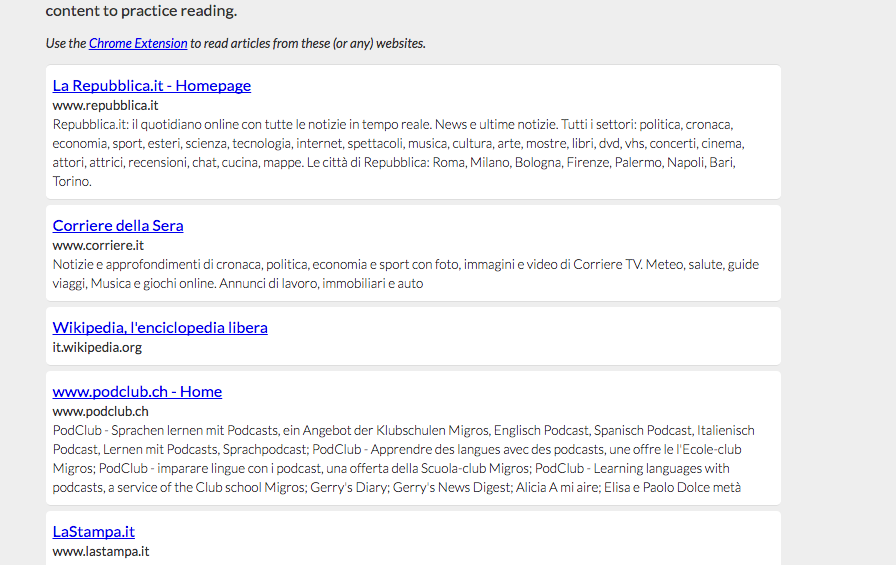
Think recipes, blogs, trashy novels, pop culture magazines, websites, menus – read whatever you like. If you like literature, read or reread a classic in your second language. Here are a few links to free reading resources online, with many different languages available:
It’s always a good idea to start out reading for short periods of time and building up your reading stamina as you grow in your vocabulary naturally. It doesn’t have to be academic to work.
A magazine of self-quizzes is a great way to help easily and enjoyably expand your vocabulary.

Step 4: Mark Up the Text and Read It Multiple Times
A great bonus of spending time reading to build your language skills is that when you encounter an unknown word, you can “pause” the text and give yourself time to find the meaning. That can be really difficult when you’re in a conversation with someone!
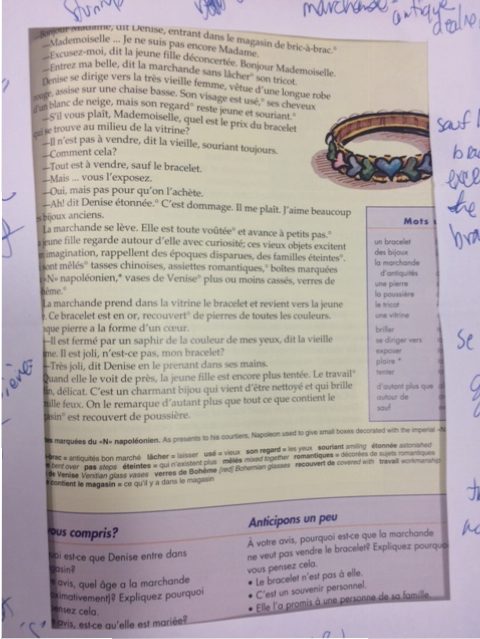
If you underline unfamiliar words, then write the definitions in the margins, you can understand the text and cement new words in your memory. Sticky notes are also great replacements if you can’t mark up the text you’re reading. Stick them in the margins of the text.

Step 5: Make the Most of Online Tools
If you’re reading online, apps such as LingQ and ReadLang can help you look up unknown words, offer reading selections, and make flashcards of words you’ve looked up.
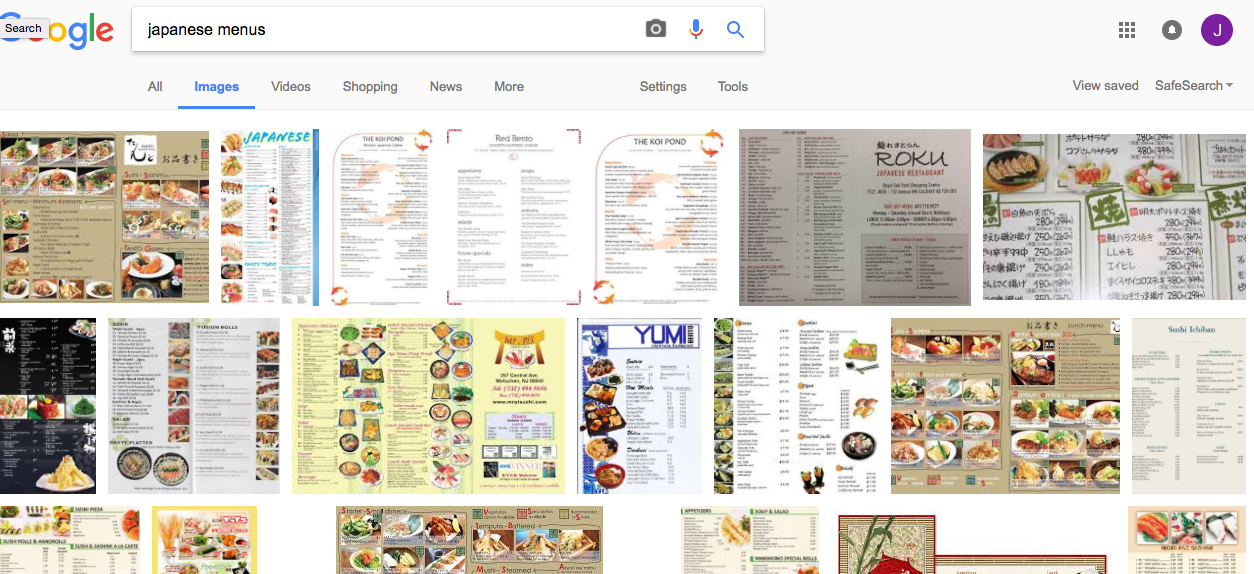
What’s more, a simple Google search can yield all sorts of authentic target language reading. Check out these finds online:
Japanese Menus
Target Language Web Content

Fresh content delivered daily in many languages is all over the web.
When you do it right, reading is a great way to learn a language. Happy reading!

Social