


Japanese Video Games: 10 Games to Help You Learn Japanese

Full disclosure: This post contains affiliate links. ?
Japanese video games will not teach you Japanese on their own. They can, however, give you hours of reading and listening practice in a world you already want to explore.
The trick is to choose a game whose language settings suit your level, then play actively instead of guessing past every line. Here is how to do that, followed by ten games that can make useful study companions.
Table of contents
These are some of my favourites, but familiarity matters more than finding the perfect title. A game you already know gives you context when the Japanese gets difficult.
Editor's note: Before we get started, if you’re looking for an online Japanese course, here’s the course we recommend: Japanese Uncovered – Learn Japanese Through the Power of Story, a course with a fascinating new method by Olly Richards. You can try it for free for 7 days!
How to Use Video Games for Learning Japanese
Keep Your Brain Switched to “On”
If you know a game well, it is easy to complete familiar actions while barely reading the Japanese. That may be relaxing, but it is passive exposure rather than deliberate practice.
Give each session a small target. You might read every menu item, understand one conversation without subtitles, or collect five useful expressions. You do not need to stop for every unknown word.
Look Up Words and Patterns You Don’t Know
Keep a notebook nearby or save a short list on your phone. When a word blocks your progress, look it up immediately. When you can still follow the scene, note it and continue playing.
Afterwards, check the words in context and add only the useful ones to your study notes or spaced repetition system. A sentence from the game is usually more memorable than an isolated dictionary entry.
Practise Speaking the Words You’ve Picked Up
Use your new vocabulary to describe what happened in the game. You could explain a character’s decision, recap a quest, or say what you plan to do next.
A language exchange partner who enjoys games can tell you whether an expression sounds natural outside that particular story. This matters because fantasy dialogue, military commands and exaggerated character voices do not automatically belong in everyday conversation.
Use Kana, Kanji and Furigana Deliberately
Japanese game settings vary by title, platform, edition and region. Some let you choose Japanese voices while keeping another language for the interface. Others support Japanese text, and a few offer different script or reading-assistance options. Check the exact store listing rather than assuming that audio and text change together.
Kana means the hiragana and katakana scripts. Kanji carry meaning and also have readings that depend on the word. Furigana are small kana written beside or above kanji to show their pronunciation.
Kanji can help you recognise a word before you remember its reading, but do not stop there. Look up both the meaning and the reading of the complete word. Text written mostly in kana can make word boundaries harder to spot, especially when it has no spaces, so familiar vocabulary helps.
If the scripts are still blending together, this short Japanese alphabet lesson will help you tell them apart before your next session:
Use What You’ve Learned Even When You’re Not Playing
Games work best as one part of a wider routine. Keep up your reading, writing, speaking and listening practice away from the screen, then bring useful words from the game into real conversations.
You can also replay a short scene after studying it. The second pass lets you notice grammar and pronunciation that disappeared while you were concentrating on the plot.
Try Shadowing Short Lines
For a manageable shadowing exercise, choose one clear line of Japanese dialogue. Listen once, then repeat it just after the speaker while copying the rhythm and sounds. Replay it until you can say the line smoothly.
Check who is speaking and why before you reuse the expression. A royal command, a villain’s threat or a deliberately cute character voice can be excellent pronunciation practice without being a sensible model for your own register.
10 Japanese Video Games for Learning Japanese
These games offer different mixtures of dialogue, repeated menus and Japanese voice or text options. None is automatically a beginner game, so check the notes and the exact edition before you buy.
1. Tales of Berseria
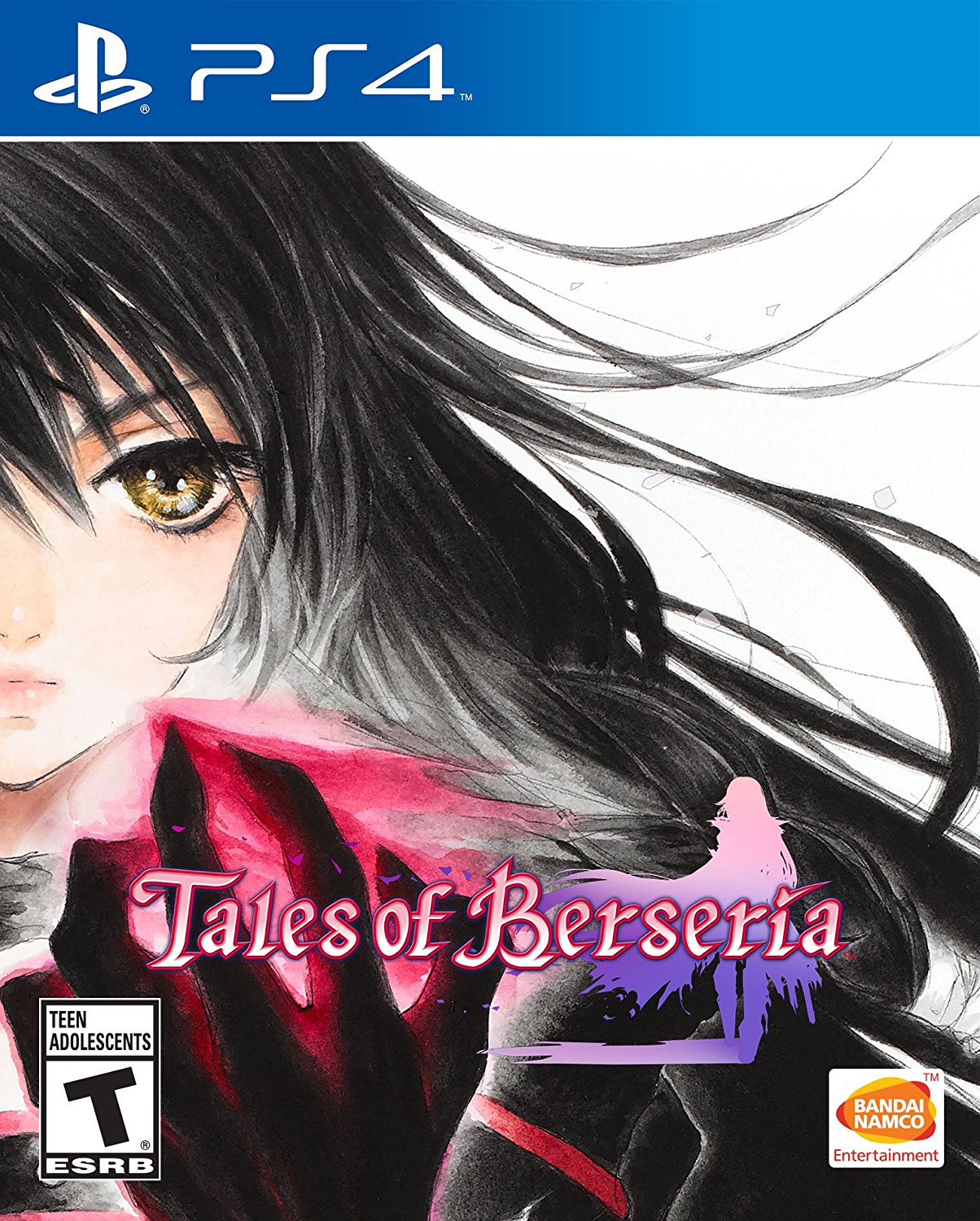
Tales of Berseria is an action RPG set in the Midgand Empire. Velvet, its central character, joins a crew of pirates while pursuing a deeply personal revenge.
It is a dialogue-rich choice for intermediate learners who enjoy fantasy. Tales of Berseria Remastered lets you switch between Japanese and English voices, but the pirate and fantasy vocabulary is better treated as story language than everyday speech.
2. Disgaea 5 Complete
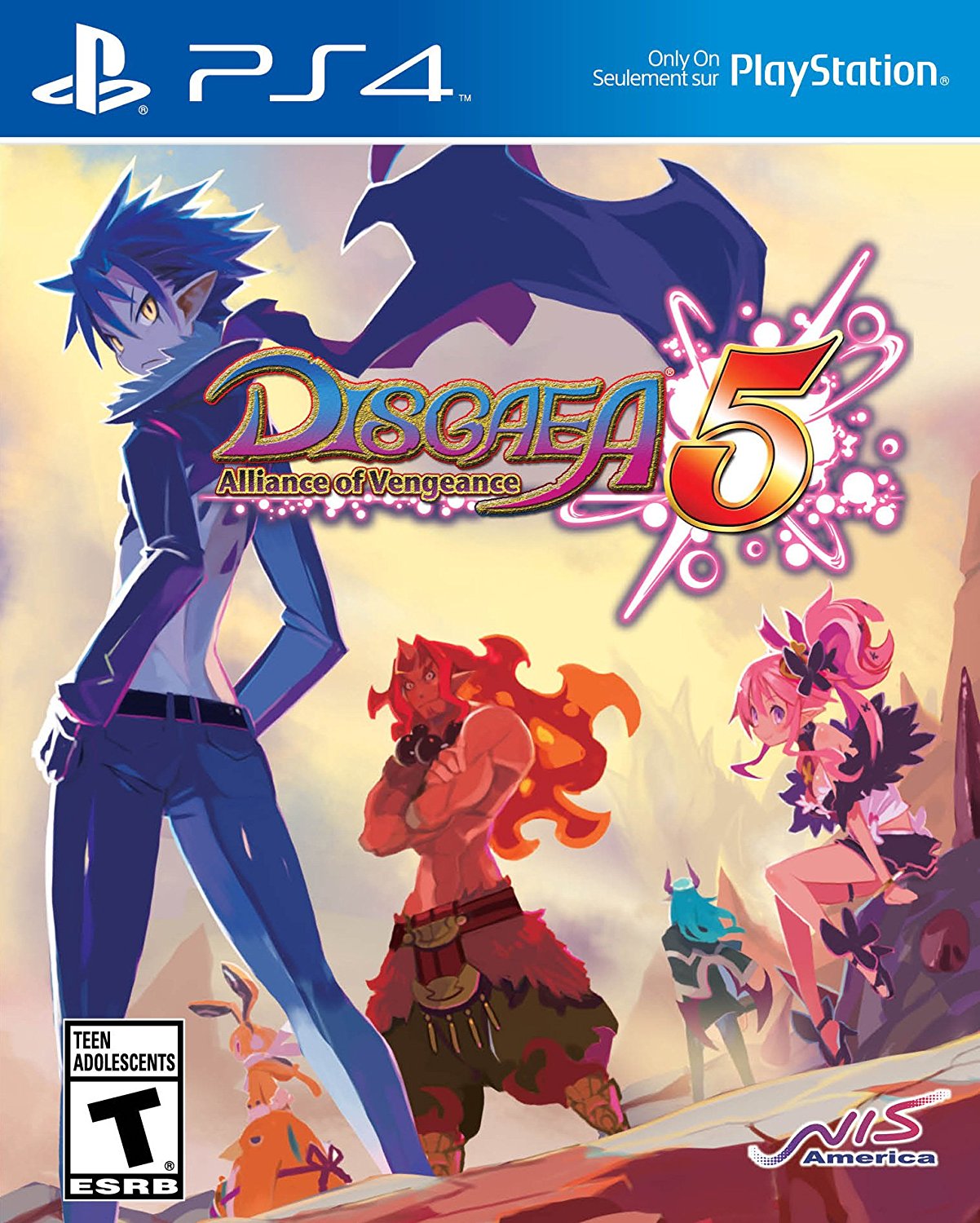
Disgaea 5 Complete is a tactical RPG about Killia and a rebel army fighting the demon emperor Void Dark. Its systems let characters reach level 9,999, so repeated battle and menu language is part of the experience.
The Complete edition includes Japanese audio. The jokes, demons and extreme character voices make it useful for attentive listening, but they also make context important. Notice how characters change register according to their relationships rather than copying every line as neutral Japanese.
3. Pokémon
If you already understand Pokémon battles, the repeated move, item and menu language gives you plenty of context. Creature and character names may differ from the versions you know, so learn them as proper names rather than trying to translate each one.
Pokémon games vary in their supported languages and in whether you can change your choice after starting. Check the exact title first. When Japanese text is available, repeated battle messages can reinforce verbs and Japanese onomatopoeia without requiring you to follow a long conversation.
4. Persona 5 Royal
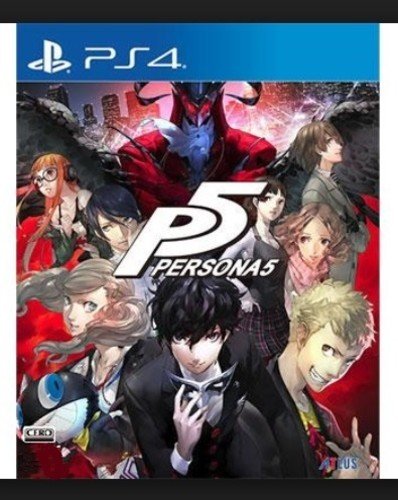
Persona 5 Royal follows a second-year high-school student living in Tokyo who becomes one of the Phantom Thieves. Its calendar, school scenes and long character conversations expose you to several social settings.
The game offers Japanese and English voices. You will hear casual speech between friends alongside different types of keigo, including polite, honorific and humble language. The characters are highly stylised, so pay attention to the situation and relationship instead of treating one character as a model for everyone.
5. STEINS;GATE ELITE
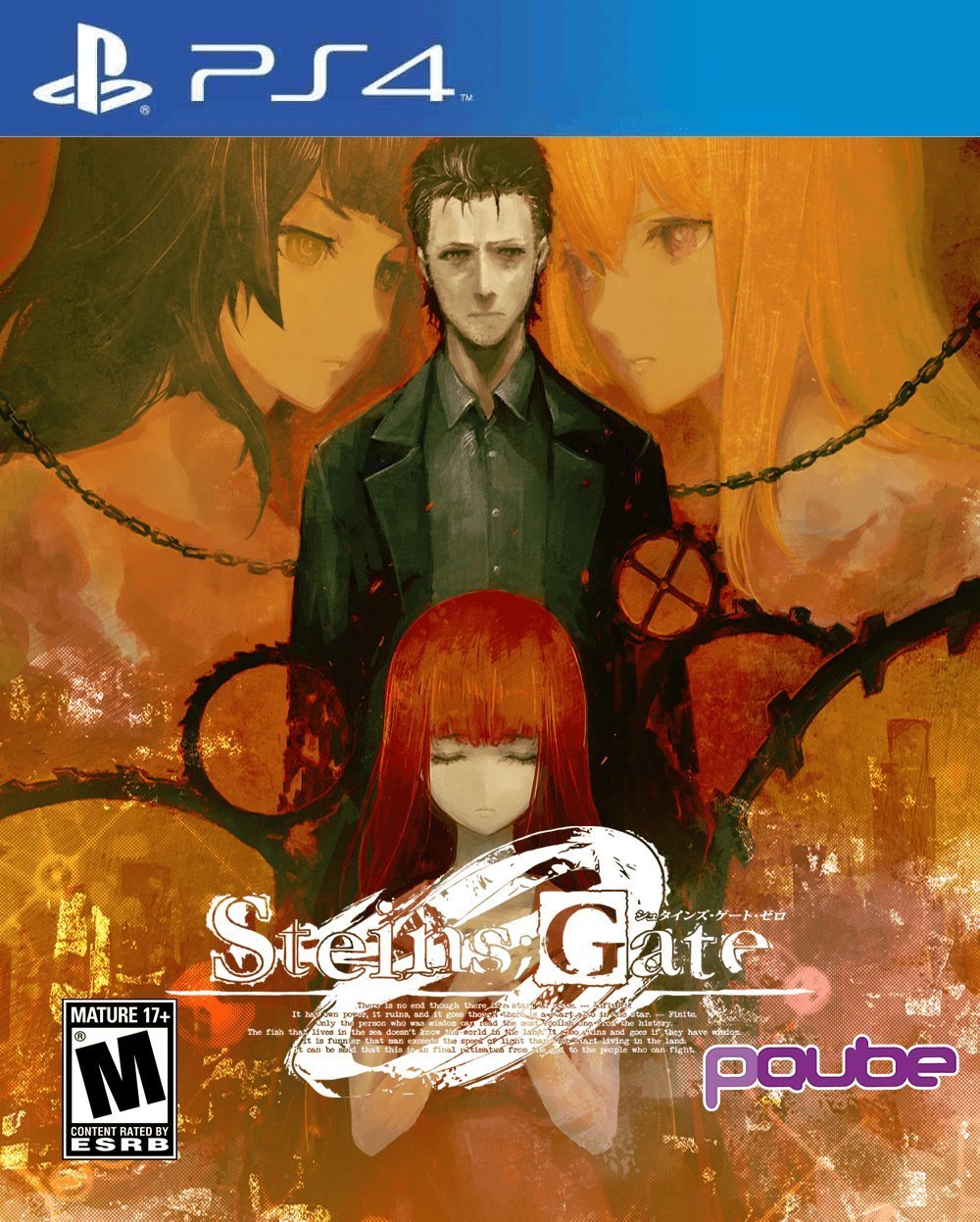
STEINS;GATE ELITE is a visual novel about a group of friends in Akihabara who discover that a modified microwave can send messages into the past. Your choices lead the story towards different endings.
Because the game is built around extended dialogue and narrative text, it is a demanding reading project rather than a casual beginner option. Expect internet slang, science-fiction terminology and deliberately eccentric speech. Work through a scene at a time and check the language options for your platform and edition.
6. Fire Emblem Warriors
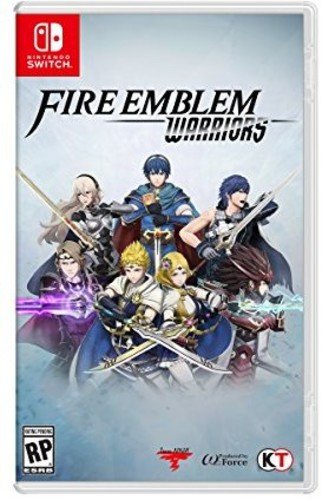
Fire Emblem Warriors combines tactical orders with fast battles against large groups of enemies. On Nintendo Switch, the free Japanese Voice Pack lets you change the spoken language to Japanese.
That pack does not change the text or menus, which makes this primarily a listening choice unless your edition separately supports Japanese text. The commands and fantasy-military vocabulary come quickly during battle, so revisit quieter conversations when you want close listening practice.
7. Ni no Kuni: Wrath of the White Witch
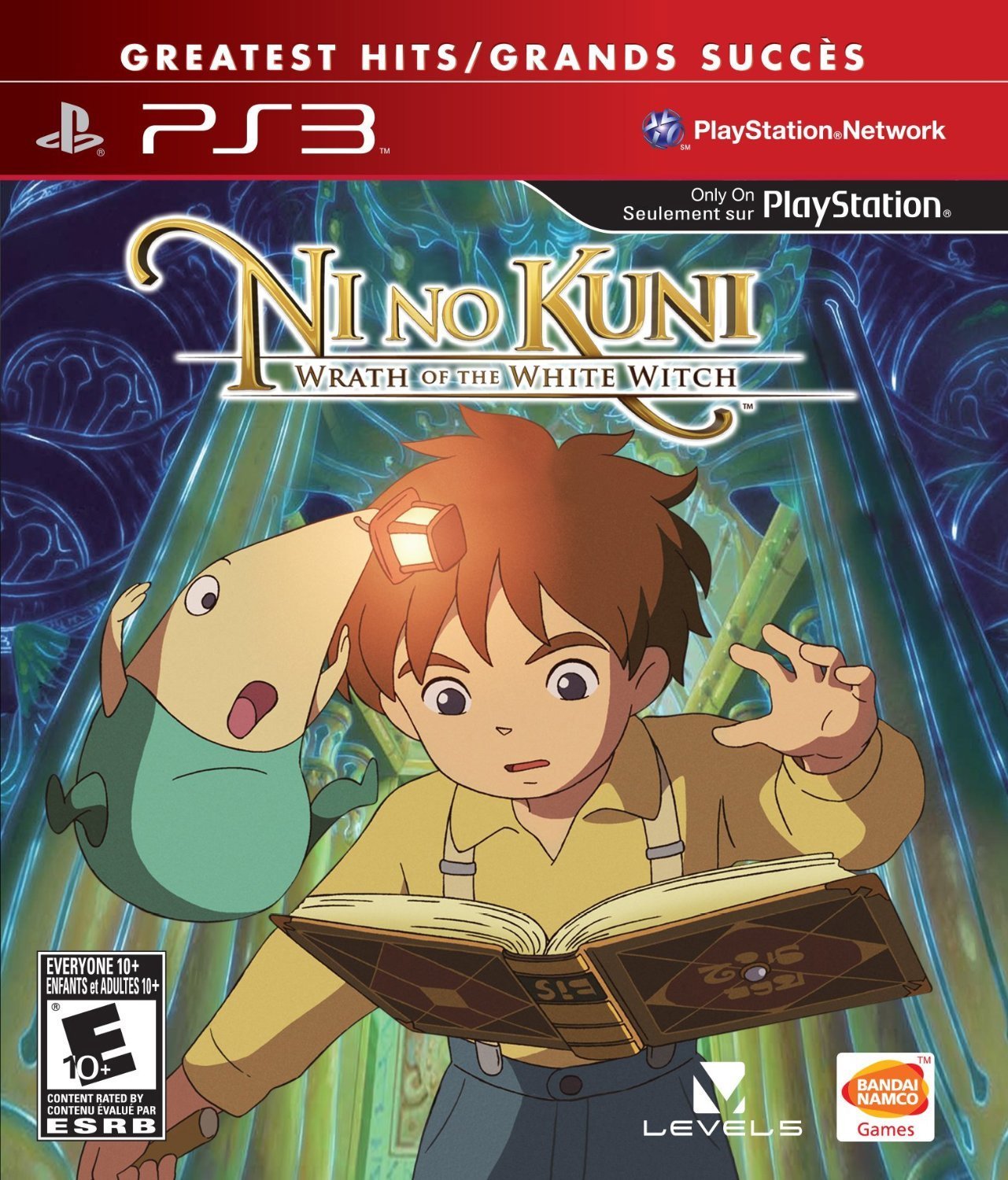
Ni no Kuni: Wrath of the White Witch follows Oliver into another world as he searches for a way to save his mother. Studio Ghibli storyboarded and created the animation, while Joe Hisaishi composed the music.
The game offers English and Japanese voiceovers. Its story scenes provide clear listening chunks, while recurring spells, creatures and quest language give you useful repetition. As with the other fantasy games here, keep the magical vocabulary separate from expressions you plan to use in daily life.
8. The Legend of Zelda: Breath of the Wild
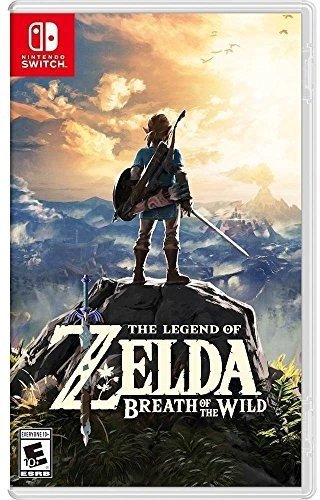
In The Legend of Zelda: Breath of the Wild, Link wakes after a century and explores Hyrule at his own pace. The open world makes it easy to pause between story scenes or revisit a familiar area while concentrating on language.
A free update added a Japanese voice option alongside eight other voice languages. The setting changes spoken dialogue without automatically changing the on-screen text, and much of the game is unvoiced. That makes it better for short listening extracts than for continuous spoken input.
9. Atelier Meruru: The Apprentice of Arland
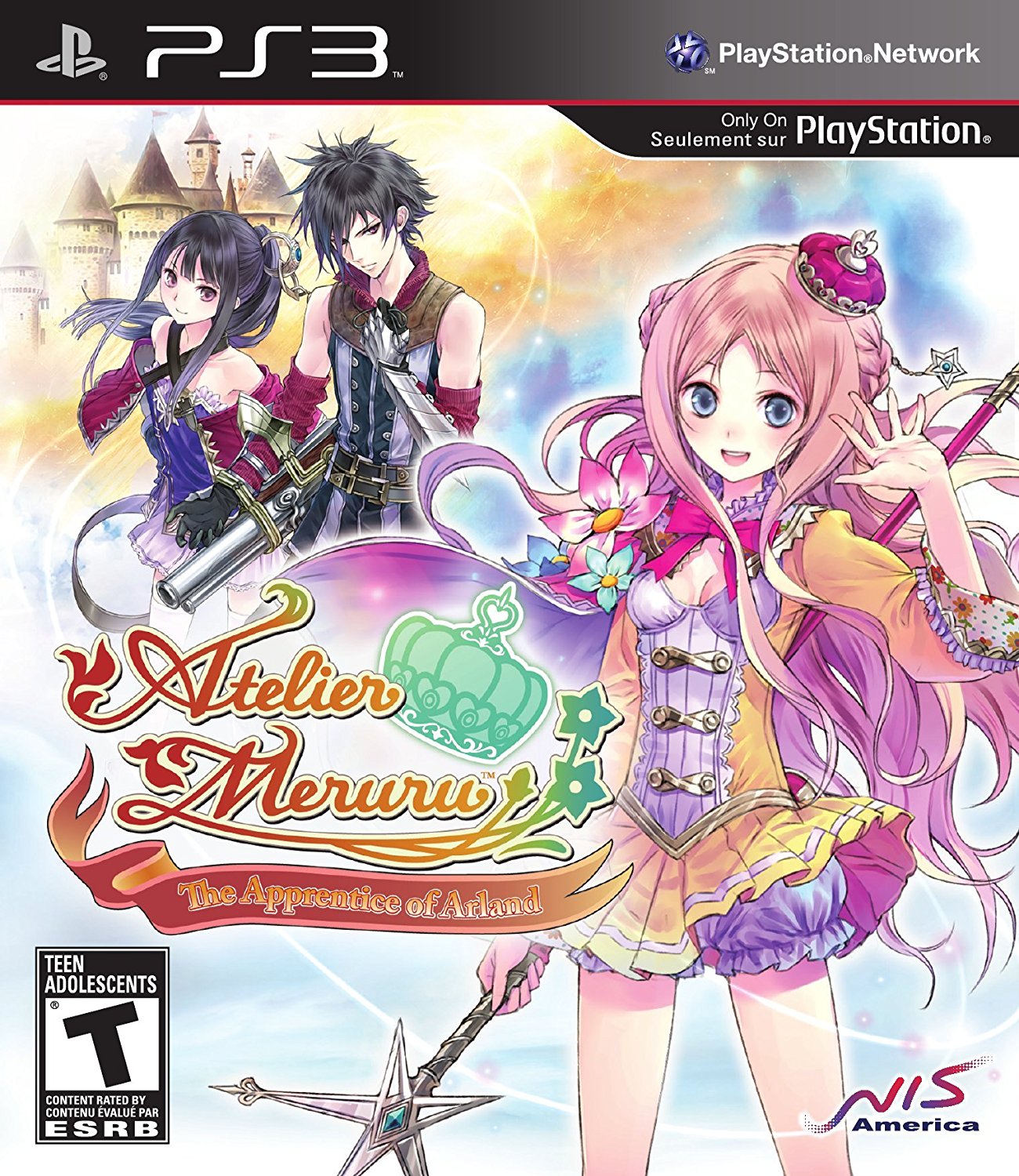
Atelier Meruru: The Apprentice of Arland is the third game in the Arland series. Meruru is the princess of Arls, and she uses alchemy to help develop her small kingdom.
Gathering ingredients, synthesising items and completing development tasks creates recurring menu and crafting vocabulary. Language support differs across the original and later DX releases, so verify both voice and text for the particular platform and region you plan to buy.
10. Xenoblade Chronicles 2
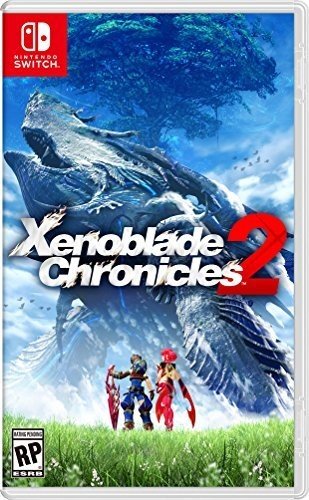
Xenoblade Chronicles 2 follows the scavenger Rex and Pyra, a living weapon known as a Blade, across a world whose civilisations live on the backs of Titans.
Nintendo offers a free Japanese Voice Pack. You can change between Japanese and English voices without changing the text or menu language. There is a great deal of spoken dialogue, but the fantasy terminology and character-specific styles make this a better fit once you can separate story language from everyday Japanese.
Check the Exact Language Settings Before You Buy
Do not assume that a Japanese game, an imported copy or a Japanese voice pack includes Japanese interface text. Check the store page for the exact platform, edition and sales region. Also check whether voices and text can be changed independently and whether the language choice becomes fixed when you begin.
Nintendo Switch game cards are generally not region-locked, apart from cards made for the Chinese region. That does not guarantee that every language is included, and downloadable content must match the region of the game. Older systems may have different restrictions.
Start with a game you already enjoy, set one realistic language target for each session, and keep using what you learn away from the console. For a more structured route alongside your gaming, explore the Japanese Learning Hub.
Here are a few more ways to keep learning Japanese:

Social