


Korean Numbers: Native, Sino-Korean and Counters

Full disclosure: This post contains affiliate links. ?
Korean uses two number systems: Sino-Korean numbers, based on Chinese readings, and native Korean numbers. The system depends on what you are counting, so learn each number together with a real use rather than looking for one universal rule.
A note from the Fluent in 3 Months team before we get started: You can chat away in Korean for at least 15 minutes with the “Fluent in 3 Months” method. All it takes is 90 days. Tap this link to find out more.
Korean Numbers 1 to 10
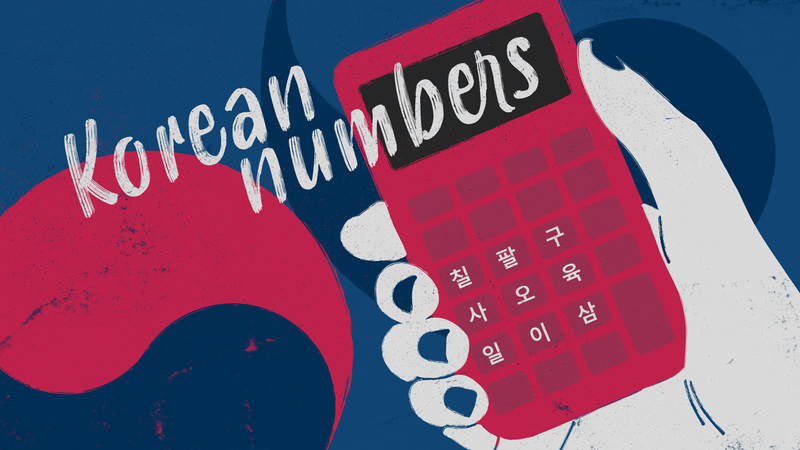
Start with Sino-Korean: 일, 이, 삼, 사, 오, 육, 칠, 팔, 구, 십. Native Korean starts 하나, 둘, 셋, 넷, 다섯, 여섯, 일곱, 여덟, 아홉, 열.
Why Are There Two Number Systems?
Sino-Korean vocabulary entered Korean through long contact with Chinese writing and culture. Hangul is the Korean alphabet; the two number systems are vocabulary systems, not two writing systems.
Sino-Korean Numbers
Use Sino-Korean numbers for money, phone numbers, dates, minutes, addresses, floors, maths and many measurements. Build numbers by place value: 십일 is 11, 이십 is 20 and 이십삼 is 23.
Native Korean Numbers
Native Korean numbers are common with hours and many counters. Before a counter, 하나, 둘, 셋 and 넷 usually become 한, 두, 세 and 네: 한 명 (one person), 두 개 (two things), 세 시 (three o’clock), 네 권 (four books).
Korean Numbers 10 to 20
Native Korean has dedicated forms through 99, but learners usually meet them with counters. For example, 열한 명 is eleven people. Use a phrase you need rather than reciting two abstract lists.
Korean Numbers From 1 to 100
Sino-Korean scales regularly: 백 is 100, 천 is 1,000, 만 is 10,000. Korean groups large numbers by 만, so 10,000 is 만 rather than a “ten-thousand” exception to memorise.
Using Sino-Korean Numbers
Dates use Sino-Korean: 3월 5일 is 5 March. Phone numbers are also read with Sino-Korean digits, often in groups. Listen to local rhythm and repeat the group rather than inventing an English-style pattern.
Using Native Korean Numbers
For clock hours, use native Korean plus 시: 한 시, 두 시. Minutes use Sino-Korean plus 분: 세 시 십오 분 is 3:15. Age and counters vary by context, so learn the counter with a reliable example.
Large Korean Numbers
For large figures, check commas and units carefully. 만 is 10,000 and 억 is 100 million. In money, write or confirm the figure when accuracy matters.
Zero in Korean
공 is the usual way to read zero in phone numbers, while 영 is used for zero in maths and scores. Follow the wording used in the situation.
Korean Ordinal Numbers
첫째 means first and 둘째 means second in many ordinal contexts. For dates, use the ordinary Sino-Korean date form rather than forcing an ordinal.
Months and Days in Korean
Months use Sino-Korean numbers plus 월, and days of the month use Sino-Korean numbers plus 일. Learn dates as full phrases, including the year when needed.
Korean Counters
Counters classify what you count. 명 counts people, 개 is a general counter for many things, 권 counts bound volumes and 시 counts hours. Counter choice can change with the noun, so ask a teacher or check a trusted dictionary when a counter matters.
How to Say “Number” in Korean
숫자 means a numeral or number. 번호 means a number used as an identifier, such as a phone number or ticket number. Context tells you which word fits.
Numbers and Cultural Context
Number associations exist, but they vary by person and setting. Learn them as cultural context, not as rules for every Korean speaker.
Practise Korean Numbers in Context
Practise a phone number, a price, a date, a time and a few counter phrases. That gives you retrieval practice and shows which system belongs in each situation.

Social