


Are Germans Rude? How to Question German Stereotypes

Full disclosure: This post contains affiliate links. ?
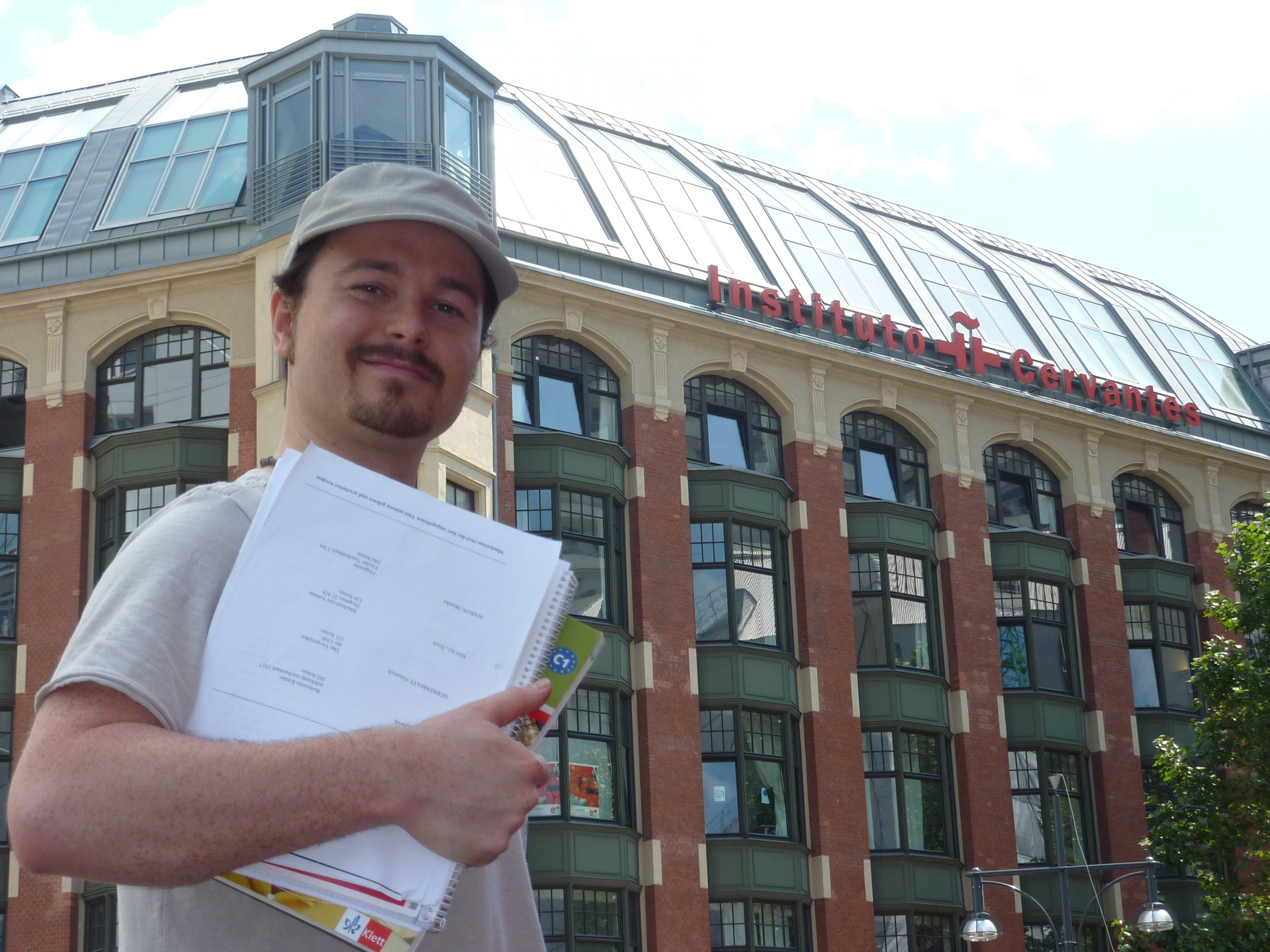
I first wrote this article after spending four months in Berlin in 2010, where I was preparing for an advanced mastery-level German exam. I did not pass the exam, and studying took up more of my time than I would have liked, but I still used German in plenty of everyday conversations.
Many of the people I met were willing to stay in German when I made my goal clear. That was a real experience, but it was still one learner’s experience in one city. It did not prove a rule about everyone in Berlin, let alone everyone in Germany or every German speaker.
The old version of this article tried to answer stereotypes such as “Germans are rude” or “German sounds angry”. In places, though, it simply replaced them with flattering generalisations: Germans were more patient, more honest or more genuine. That is the same mistake with a positive label attached.
A better habit is to separate an observation from the story you attach to it. For example:
- Observation: someone gave you a brief answer and switched to English.
- First interpretation: they were rude and did not want to hear your German.
- Other plausible explanations: they were busy, wanted to avoid a misunderstanding, preferred English in that setting or wanted to practise it.
- Useful next step: ask whether you can continue briefly in German, then respect their answer.
This observation, interpretation, alternatives and check model is useful well beyond Germany. It lets curiosity change your mind without asking you to ignore genuinely disrespectful behaviour.
A note from the Fluent in 3 Months team before we get started: You can chat away with a native speaker for at least 15 minutes with the “Fluent in 3 Months” method. All it takes is 90 days. Tap this link to find out more.
Why German Can Sound Unfamiliar at First
A language can sound abrupt, fast or hard to separate into words before you understand it. That reaction is personal. It is not a measure of the language, and it tells you nothing reliable about the people speaking it.
English and German are both West Germanic languages, but shared ancestry does not tell you how a particular sentence will sound or what mood its speaker is in. Comparing whole languages as prettier, harsher or clearer usually reveals more about the listener’s exposure and expectations than the languages themselves.
Try a small listening test. Play one short German clip once for the gist, then again with a transcript or the key words in front of you. Note which sounds become easier to separate when you know what is being said. You are testing how familiarity changes your perception, not trying to prove that German has one fixed sound.
Do Not Infer Mood from Sound Alone
When an unfamiliar speaking style lands as angry or impatient, start with the words and the situation. Intonation and pacing matter, but so do the relationship, the setting, the speaker’s individual style and whatever happened just before the sentence.
Ask four questions before turning the moment into a cultural conclusion:
- What words or actions did I actually observe?
- What is my relationship with this person?
- Is this a rushed service interaction, a friendly chat, a disagreement or a formal setting?
- Have I seen a pattern across varied situations, or am I explaining one moment?
If the relationship and setting allow it, ask what the person meant instead of assigning a motive. A brisk reply might reflect impatience, distraction, efficiency or simply that person’s normal style. The answer can also be that they were rude. Cultural curiosity is useful, but it is not a reason to explain away an insult, discrimination or a crossed boundary.
Why Someone Might Switch to English
During my Berlin project, many people did continue in German when I explained that I was practising. That experience challenged what I had been told, but it did not establish that German speakers will always help or that learners are entitled to anyone’s time.
A switch to English can be an attempt to help, a response to time pressure, a way to protect accuracy, the other person’s preference or a chance for them to practise English. You rarely know which explanation is right until you ask.
Make your request easy to answer:
- say that you would like to practise German;
- suggest one short topic or question;
- say whether you want corrections or simply time to finish;
- accept a no or a switch back to English without treating it as a judgement on your ability.
If conversation practice is essential that day, arrange it with a tutor or an opted-in German conversation partner. A shop worker, colleague or stranger may still choose to help, but their first job is not to provide a lesson.
Treat Difficulty as a Planning Question
Calling German easy or hard does not give you much of a plan. The work changes with your first language, previous experience, target task, available time, learning support and access to feedback. Confidence can help you practise, but it cannot replace time or instruction.
I had studied German for five years at school, but I had not built the speaking routine I wanted. When I returned to it later, that gap showed me that knowing about a language and using it are different tasks. It did not prove that school was useless, that grammar did not matter or that attitude was the only obstacle.
Turn “German is hard” into one seven-day task instead:
- introduce yourself and ask two follow-up questions;
- order a coffee and handle one clarification;
- send a short message and understand the reply.
Gather the words and grammar that task needs, rehearse them, use them, request one correction and repeat. Our guide to speaking German can help you turn that first task into a broader learning plan.
Directness Is Not the Same as Rudeness
I noticed that some everyday interactions in Berlin were more direct than I expected. That is as far as the observation can safely go. “Germans are very honest” would turn individual encounters into a national personality.
A brief answer, a direct request, a correction or open disagreement can feel different from what you are used to. Decide what happened from the actual words, the relationship, the setting, the consequences and the pattern over time. Nationality is not a shortcut through those details.
Directness may be useful when expectations are clear, but it does not excuse humiliation or disrespect. If a correction helps, you can thank the person and use it. If the way someone speaks crosses a boundary, you can ask them to rephrase, end the exchange or address the behaviour without deciding that millions of other people share it.
Humour and Warmth Do Not Have One Visible Form
A joke that gets a quiet response is not evidence that a group lacks humour. The listener may have missed the wordplay or reference, the setting may be formal, the timing may be off, or the joke may simply not suit that person.
The same applies to smiling and small talk. Different people show warmth differently, and behaviour changes with language ability, relationship and setting. A customer-service smile is not automatically false, and a neutral expression is not automatically cold.
For a useful cultural lesson, ask an opted-in conversation partner to share a German joke, comedy clip or media reference they enjoy. Find out what background makes it work, then notice how much easier it is to read the humour once you know the language and context.
Replace Stereotypes with Better Questions
Real conversations give you better evidence than recycled national claims. This Fi3M video gives you 30 German conversation starters to help move beyond a first impression and learn something specific about the person in front of you:
After an interaction surprises you, use this short evidence log:
- Write the exact words or behaviour you observed, without a national label.
- Record your first interpretation.
- List at least two other explanations.
- Clarify respectfully or gather more context when that is appropriate.
- Look for a counterexample and revise your interpretation when the evidence changes.
I have caught myself doing the opposite. People have told me I was not “really” Irish because I did not drink, then treated pub-centred experiences as a complete account of Ireland. My four months in Berlin could have become the German version of the same mistake if I had treated every observation as a national rule.
One encounter is one data point. People, cities and communities contain far more variation than a stereotype allows, so keep your conclusions small enough for the evidence you actually have.
If you want to build that evidence through language use, prepare a few useful German phrases, choose a question from the video and have a real conversation. Listen for the answer instead of testing the person against a story you brought with you.

Social