


Spanish-Speaking Countries: Names, Capitals and Phrases

Full disclosure: This post contains affiliate links. ?
Spanish is spoken across Europe, the Americas and Africa, and it is one of the six official languages of the United Nations.
But the Spanish-speaking world is not one uniform culture or one uniform accent. Vocabulary, pronunciation and grammar vary between countries, within countries and between communities.
If you are deciding which variety to learn, start with the one connected to your goals, family, travel plans or favourite media. You can communicate across varieties, but learning to recognise regional differences will make real conversations easier.
If you want a clear structure for putting your Spanish into practice, take a look at the Fluent in 3 Months Bootcamp. It’s a 90-day programme with weekly coaching calls, a private community and a focus on speaking from day one.
Table of contents
- List of Spanish-Speaking Countries
- Spanish-Speaking Countries: Names and Capitals
- Spain
- Mexico
- Argentina
- Bolivia
- Chile
- Colombia
- Costa Rica
- Cuba
- Dominican Republic
- Ecuador
- El Salvador
- Equatorial Guinea
- Guatemala
- Honduras
- Nicaragua
- Panama
- Paraguay
- Puerto Rico
- Peru
- Uruguay
- Venezuela
- Talking About Countries in Spanish
- Explore the Spanish-Speaking World
List of Spanish-Speaking Countries
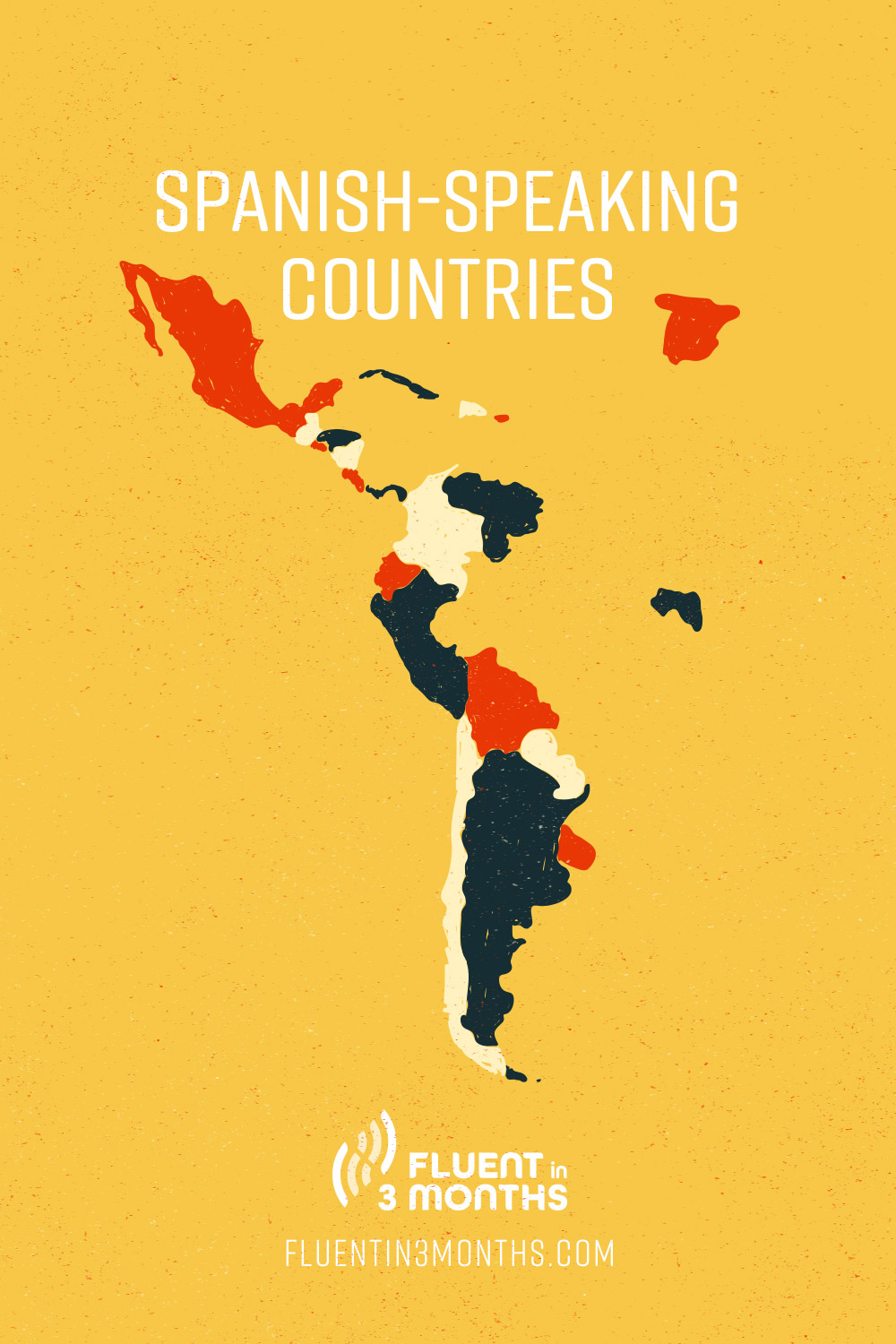
This guide covers 20 sovereign states where Spanish is an official or dominant language, plus Puerto Rico. Puerto Rico is a US territory rather than a sovereign country, and Spanish and English are both official languages of its government. That is why you may see the total given as either 20 countries or 21 Spanish-speaking places.
Spanish is not the only language used across these places. Many communities also use Indigenous, African, European, creole and sign languages.
- Spain
- Mexico
- Argentina
- Bolivia
- Chile
- Colombia
- Costa Rica
- Cuba
- Dominican Republic
- Ecuador
- El Salvador
- Equatorial Guinea
- Guatemala
- Honduras
- Nicaragua
- Panama
- Paraguay
- Puerto Rico
- Peru
- Uruguay
- Venezuela
Spanish-Speaking Countries: Names and Capitals
Here are the country names in Spanish and their capitals. Proper names keep their capital letters in Spanish, and accents such as those in México, Panamá and Perú are part of the spelling.
Spain
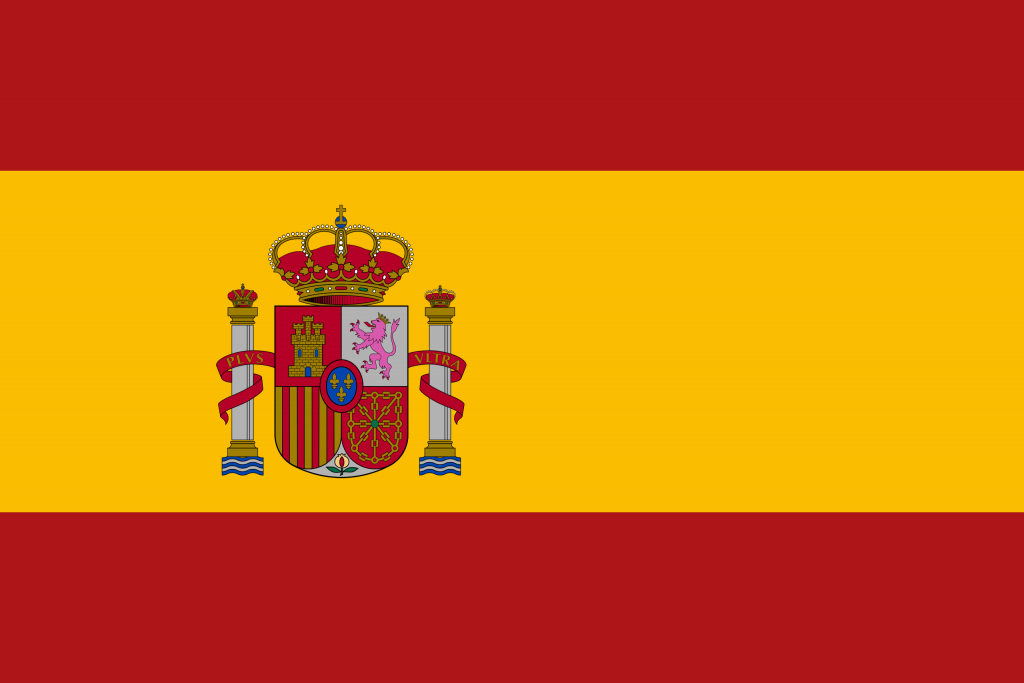
- Spanish name: España
- Capital: Madrid
Mexico
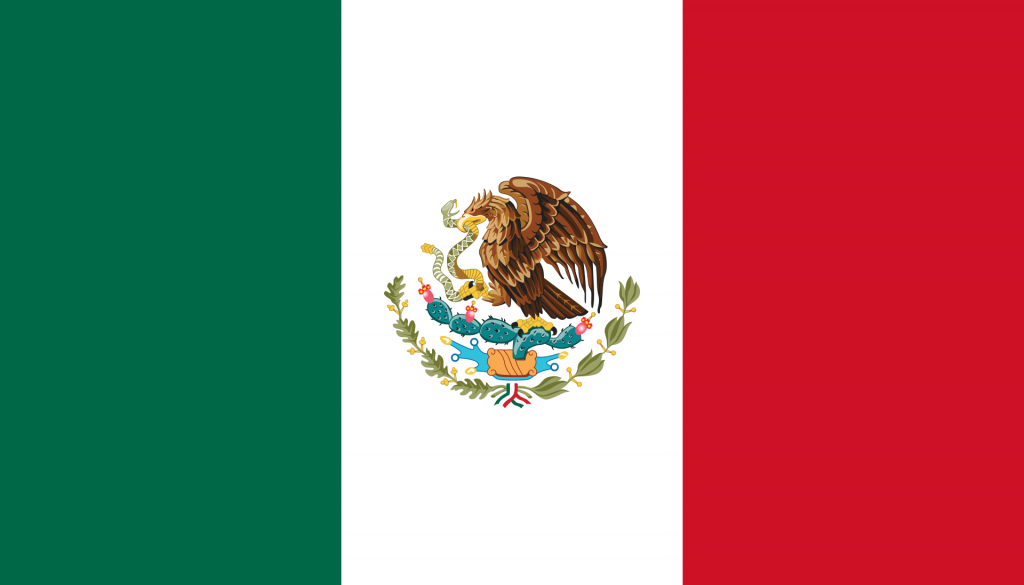
- Spanish name: México
- Capital: Ciudad de México
Argentina
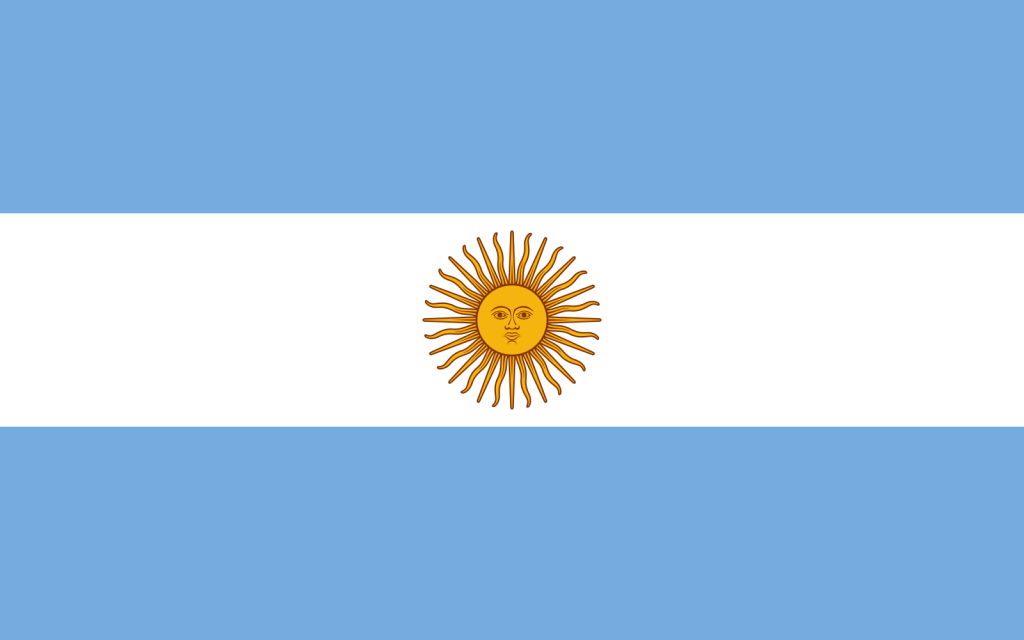
- Spanish name: Argentina
- Capital: Buenos Aires
Bolivia
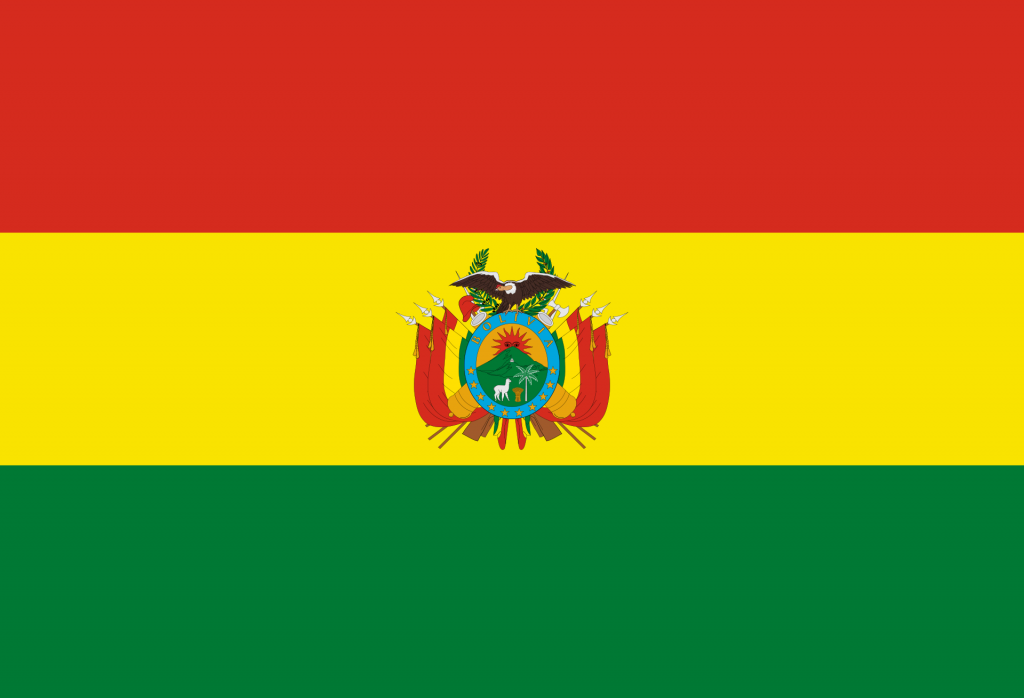
- Spanish name: Bolivia
- Constitutional capital: Sucre
- Seat of government: La Paz
Chile
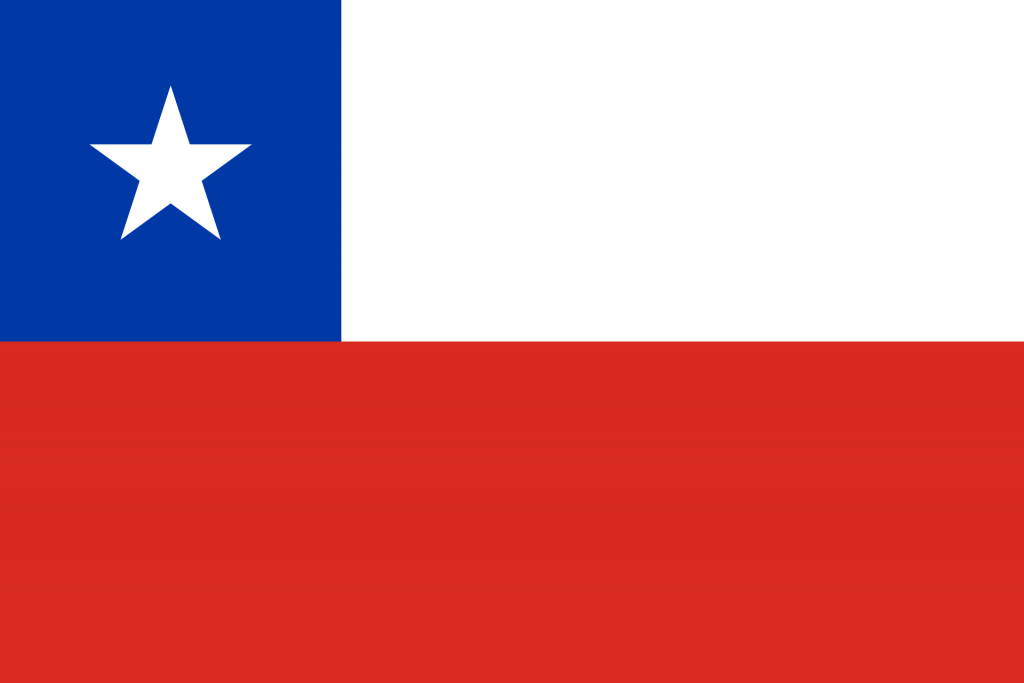
- Spanish name: Chile
- Capital: Santiago
Colombia
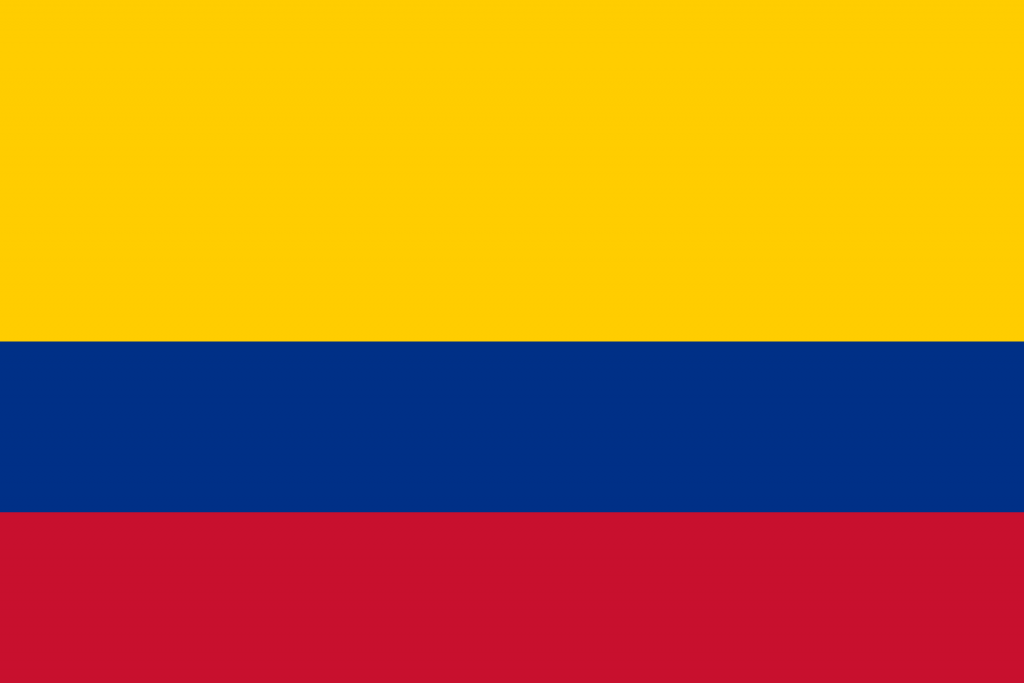
- Spanish name: Colombia
- Capital: Bogotá
Costa Rica
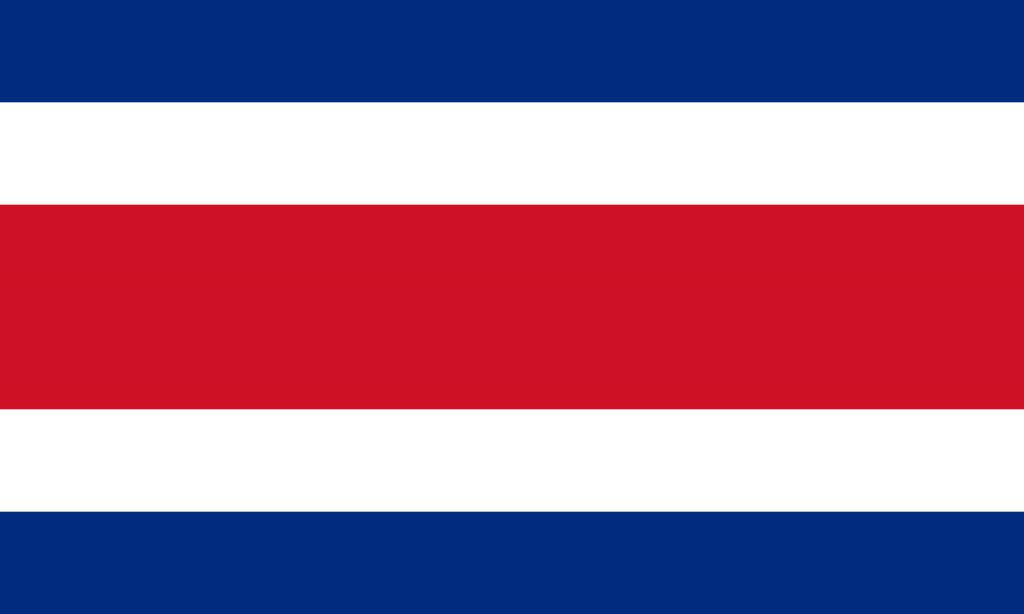
- Spanish name: Costa Rica
- Capital: San José
Cuba
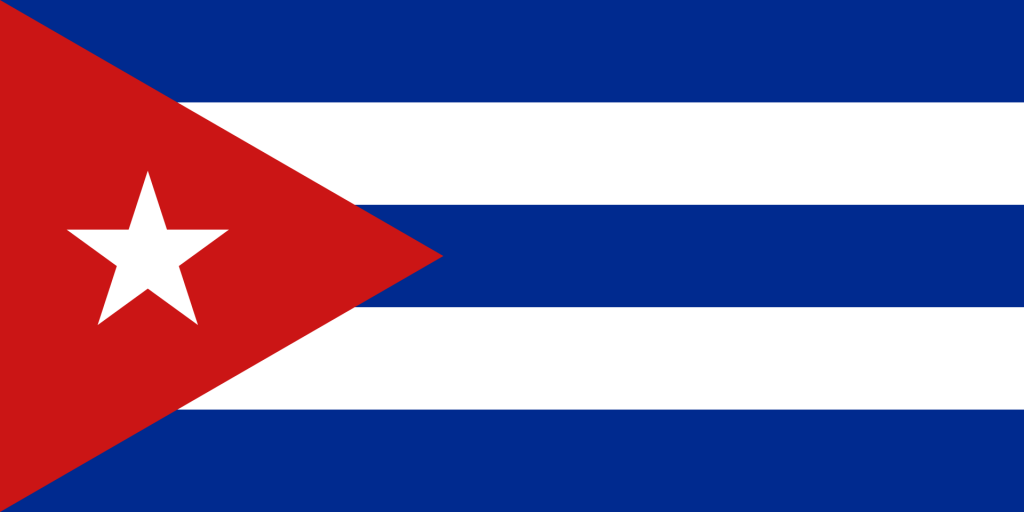
- Spanish name: Cuba
- Capital: La Habana
Dominican Republic
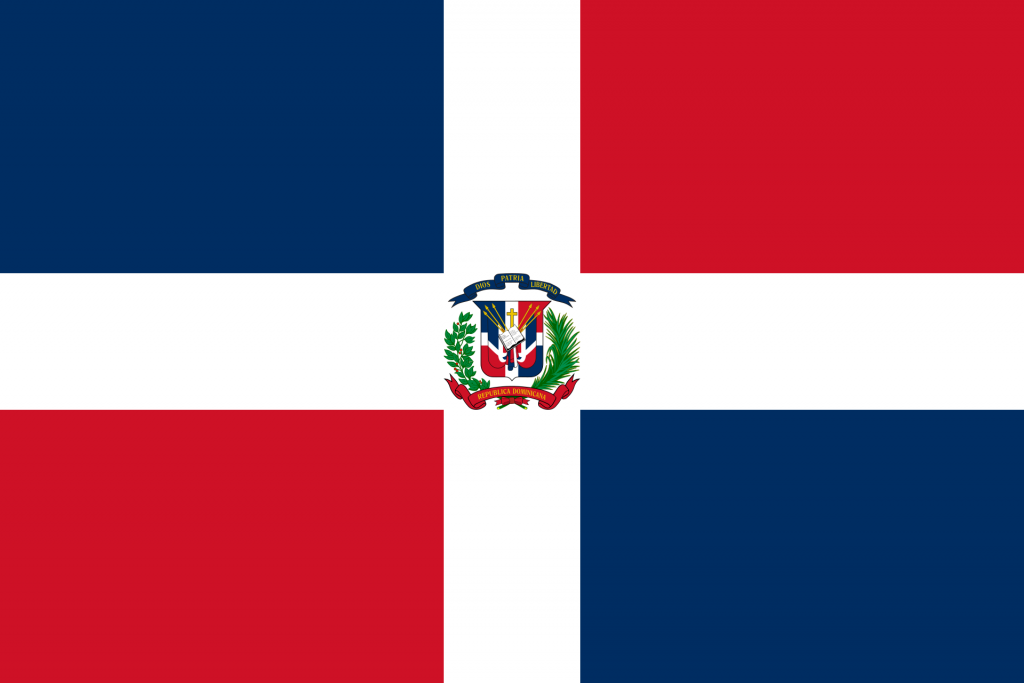
- Spanish name: República Dominicana
- Capital: Santo Domingo
Ecuador
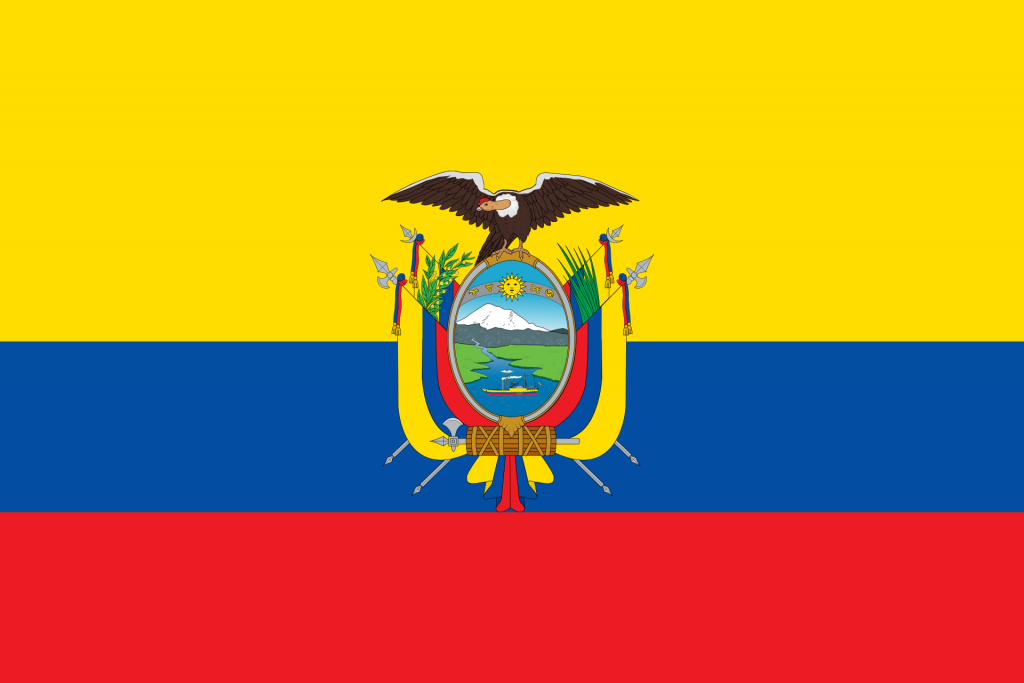
- Spanish name: Ecuador
- Capital: Quito
El Salvador
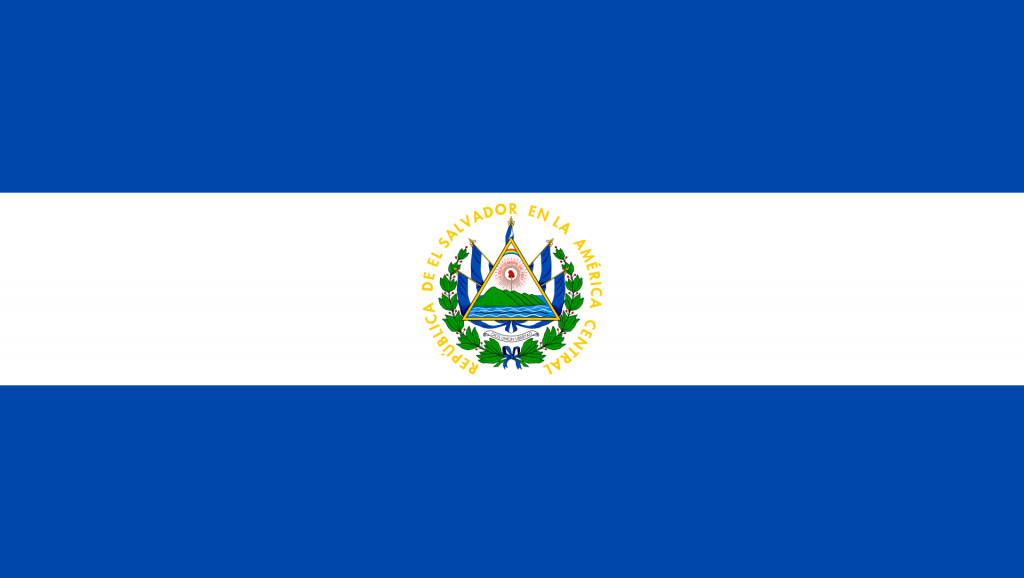
- Spanish name: El Salvador
- Capital: San Salvador
Equatorial Guinea
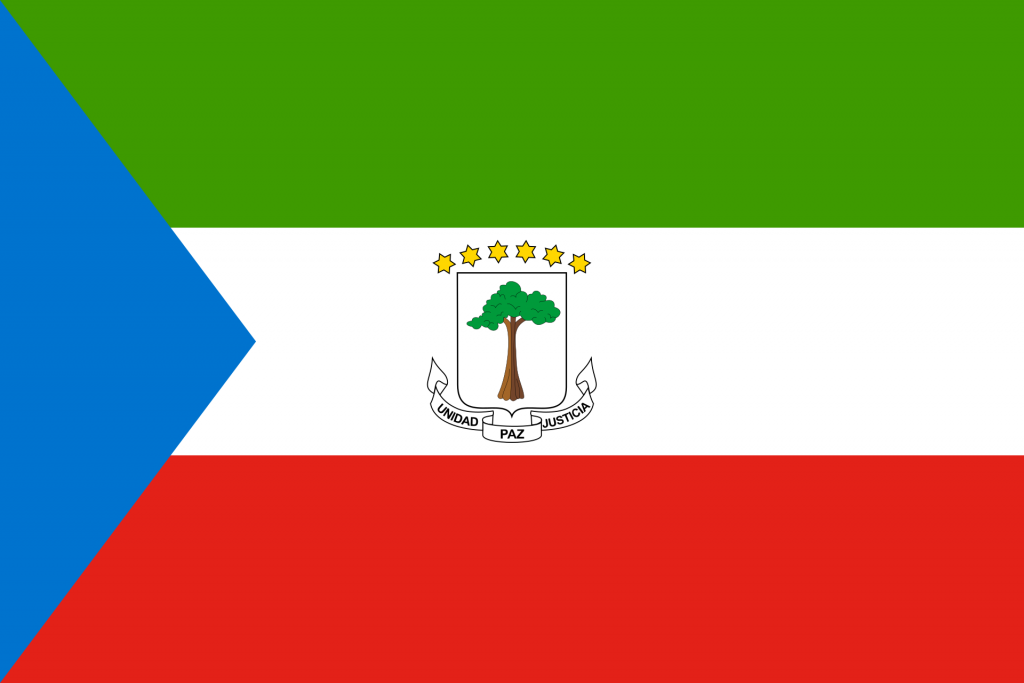
- Spanish name: Guinea Ecuatorial
- Capital: Ciudad de la Paz (declared in January 2026)
Guatemala
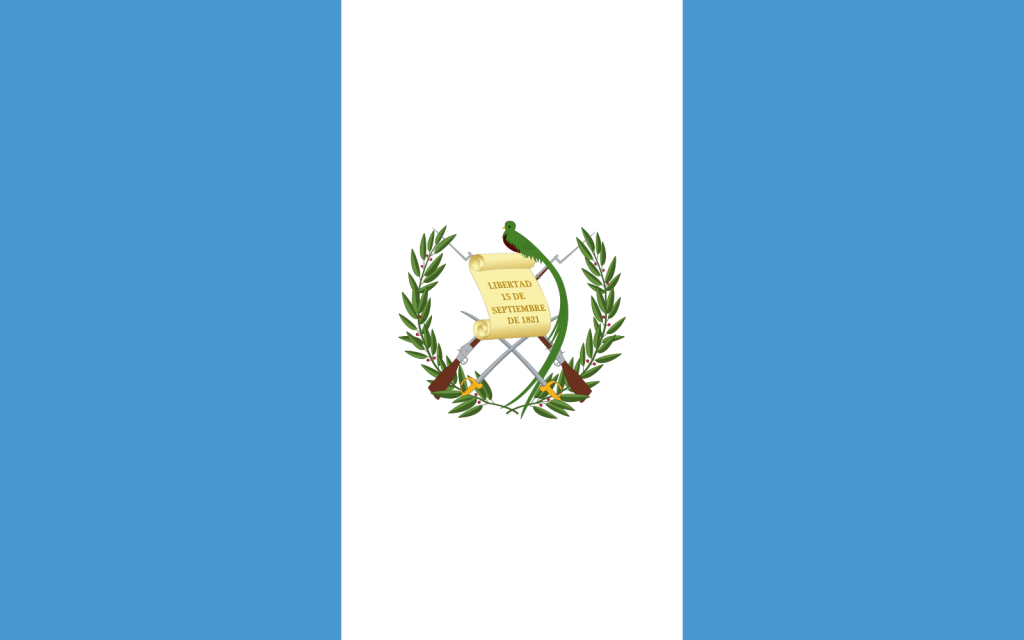
- Spanish name: Guatemala
- Capital: Ciudad de Guatemala
Honduras
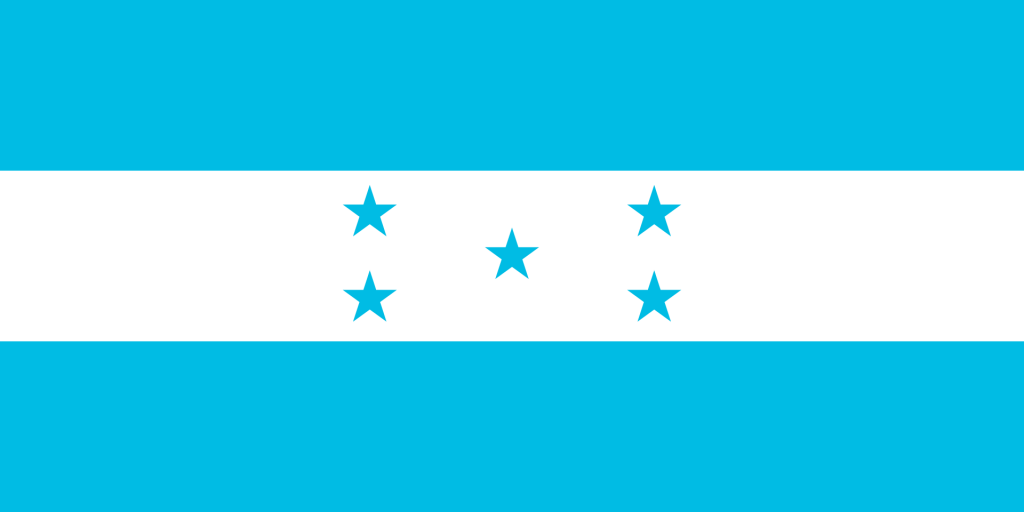
- Spanish name: Honduras
- Capital: Tegucigalpa
Nicaragua
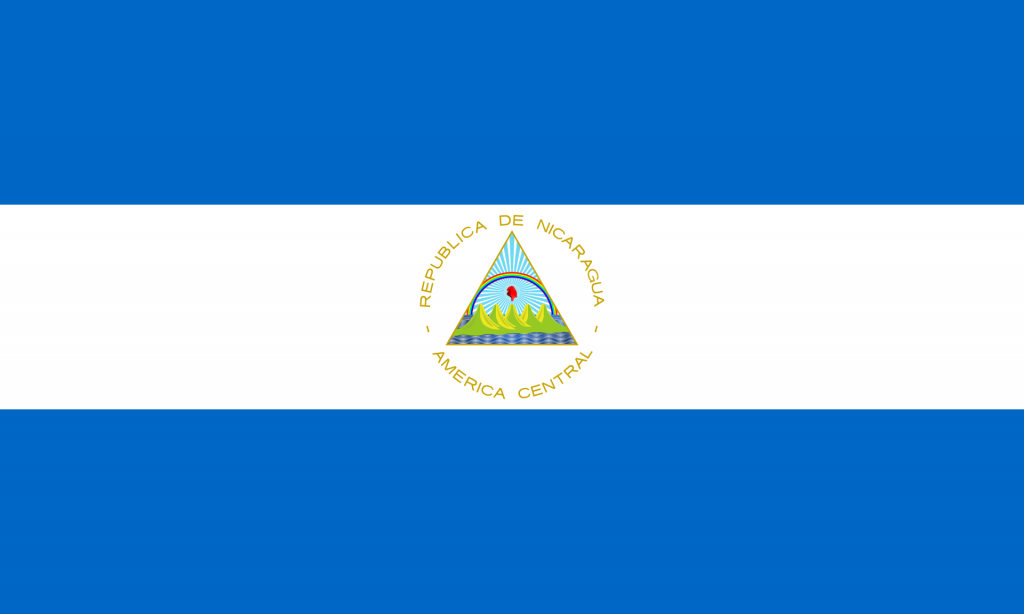
- Spanish name: Nicaragua
- Capital: Managua
Panama
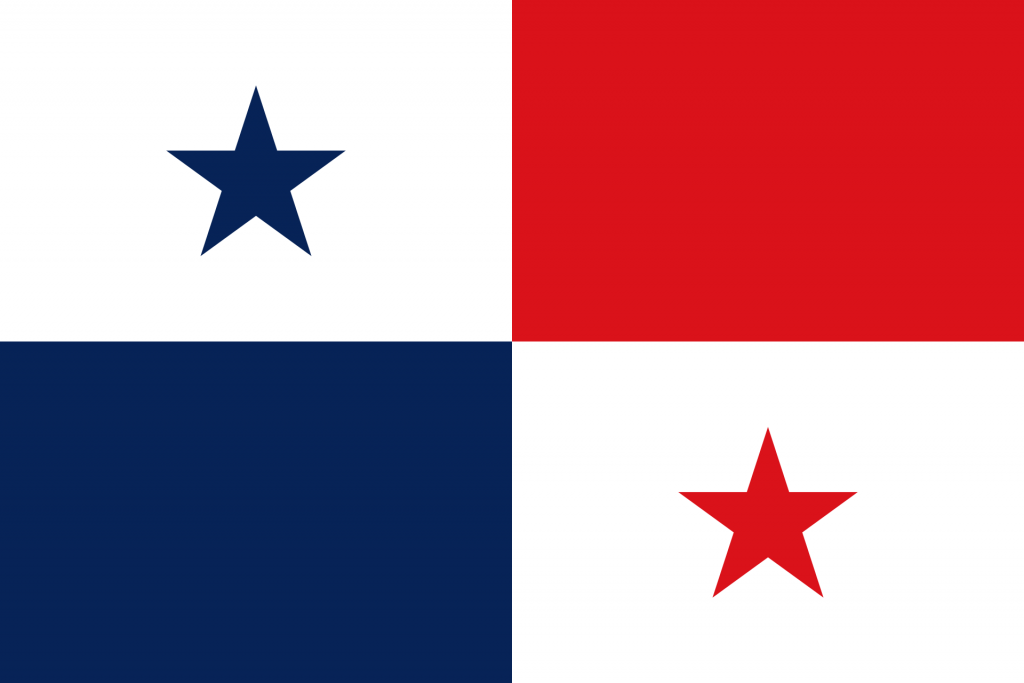
- Spanish name: Panamá
- Capital: Ciudad de Panamá
Paraguay
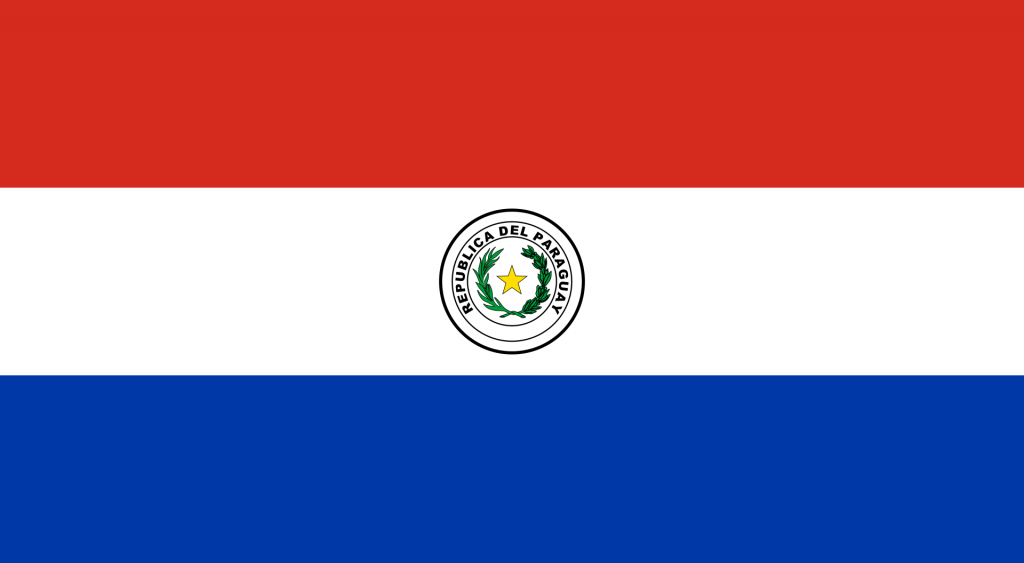
- Spanish name: Paraguay
- Capital: Asunción
Puerto Rico
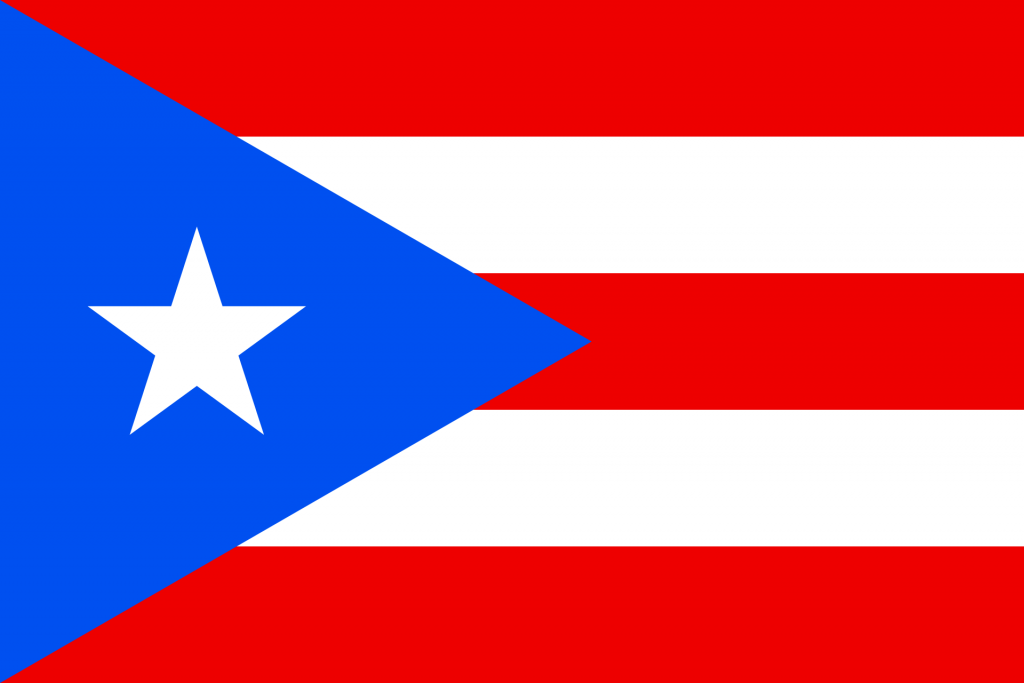
- Spanish name: Puerto Rico
- Capital: San Juan
- Status: US territory, not a sovereign country
Peru
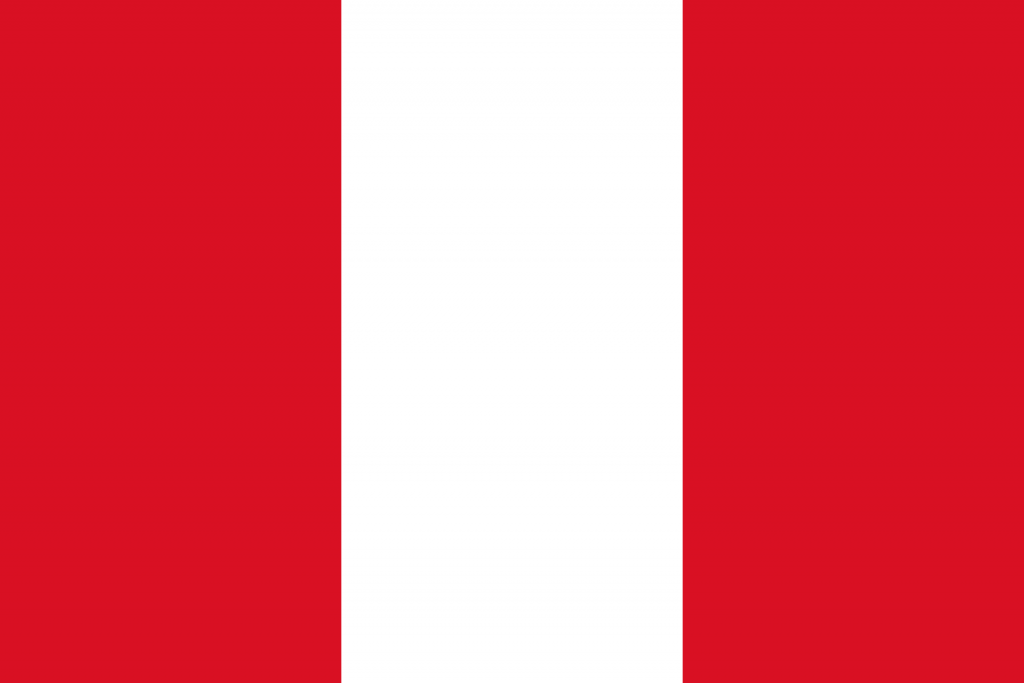
- Spanish name: Perú
- Capital: Lima
Uruguay
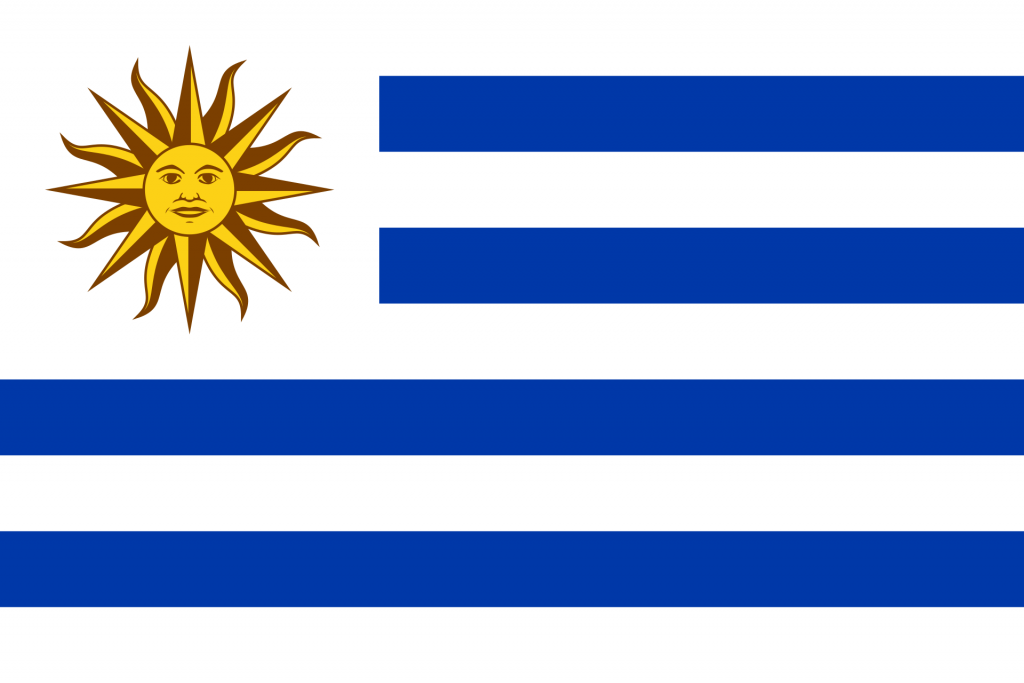
- Spanish name: Uruguay
- Capital: Montevideo
Venezuela
- Spanish name: Venezuela
- Capital: Caracas
Talking About Countries in Spanish
“Country” is el país, while “countries” is los países. The written accent stays in both forms.
These questions use familiar singular tú forms. With someone you address formally as usted, use ¿De dónde es usted? for “Where are you from?”
- ¿De dónde eres? – “Where are you from?”
- ¿De qué país eres? – “What country are you from?”
- ¿Dónde vives? – “Where do you live?”
- Soy de ___. – “I’m from ___.”
- Vivo en ___. – “I live in ___.”
Spanish often leaves out the subject pronoun when the verb already makes it clear. That is why Soy de México is a natural complete sentence without yo.
Explore the Spanish-Speaking World
Spain and Mexico are only two parts of a much wider Spanish-speaking world. Choose a variety that gives you a clear starting point, then listen to speakers from several regions so unfamiliar accents do not catch you off guard.
When you learn a regional expression, check where it is used, who uses it and whether it is casual, formal, affectionate or offensive. Country labels alone are rarely enough to tell you that.
For the next step, compare Spanish accents and dialects, then explore Caribbean Spanish or this broader guide to Spanish slang and register.

Social