


Spanish: Fluent in 3 Months Using Video Diaries

Full disclosure: This post contains affiliate links. ?
Today’s guest post is from Will Peach, an Englishman journeying around Spain, keeping regular video diaries to make himself accountable for learning the language. Will found my blog shortly before beginning his adventure and continues to apply my tips in the hope that he will reach his defined level of fluency before September of this year.
From the blog’s origin era (2009–2014), kept as lived proof of the method. See all the missions.
Will has his own site My Spanish Adventure, where he continues to chronicle his progress learning Spanish and hopes to encourage others to do the same. His travels and language studies are sponsored by the gap year travel site GapDaemon.com, where he formerly worked as an editor.
September 2011 was when it all happened. When I finally made the decision to drag my carcass out of its monolingual mould and ram it, kicking and screaming, into the scary world of Spanish fluency. Severing my ties with London, my 9-to-5, my friends, even my girlfriend, I headed out to Spain with only one intention:
Get fluent in Spanish, or die trying.
Easier said than done, right? Well, as an avid reader of Fluent in 3 Months, I can appreciate just as much as the next reader how loose a goal that is. Benny’s been telling us all from the very start just how crucial it is to carefully define our own language-learning goals and our own definition of fluency. Telling myself to simply “get fluent”? I knew that wouldn’t cut it.
A note from the Fluent in 3 Months team before we get started: You can chat away with a native speaker for at least 15 minutes with the “Fluent in 3 Months” method. All it takes is 90 days. Tap this link to find out more.
Accountability and Video Progress
Having picked up the Fluent in 3 Months Bootcamp and pored over it in the month leading up to my grand arrival in the city of Cáceres, Extremadura, two suggestions stood out as most important of all: the act of accountability and the process of recording videos in the target language.
Setting out on my travels to speak from day one, I knew I’d have to do something drastic to push myself out of my comfort zone and get the valuable conversation practice I knew I’d need.
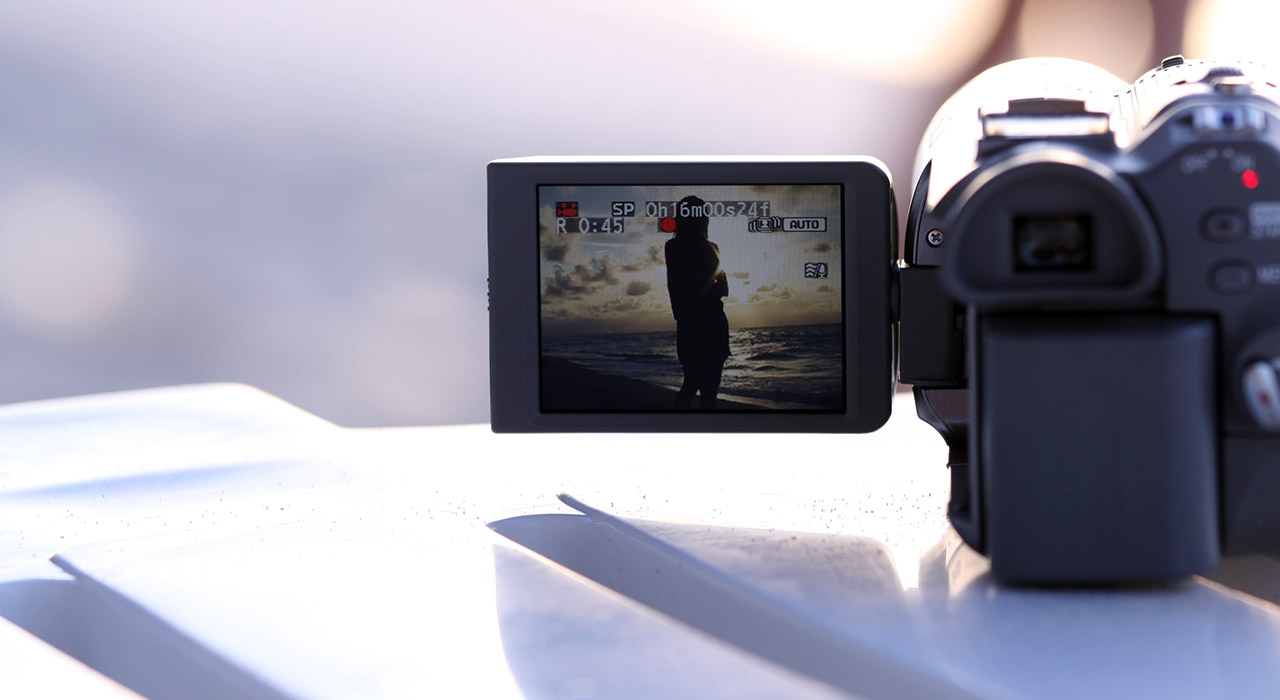
Taking Benny’s advice of starting a language log and writing in the target language, I decided to go one step further. I started making video logs in the target language every two weeks, right from the very first moment I arrived in Spain up until now. My progress page grew to almost half a year’s worth of video diaries spanning my travels and roping in locals from places like Cáceres, Madrid, Granada, Mérida, Huelva and a few more.
To start off with, rather than follow Benny's advice of using scripts in videos as a memorisation technique (undoubtedly useful in the early stages), I was very keen on keeping my videos as spontaneous as possible (just like Benny is starting to be in Mandarin) to give a real reflection of my level throughout the weeks and months of my journey.
However, this also meant that I had to find and persuade real locals to practise with, as well as throw caution to the wind and overcome my fears of approaching people. That’s why in my videos you’ll see a glorious mix of people, from Couchsurfing contacts to housemates to friends I made by simply introducing myself on the street and asking to practise the language. What you’ll also see is a mountain of mistakes, for which I make no apologies, having recognised from the examples Benny has set that in order to succeed one must first be prepared to fail.
(Will makes a video with a local or other learner every two weeks, recording his progress in learning the language. This one was recorded at the one-month mark.)
An Easy Learning Tool
Perhaps the most surprising thing to come out of these progress videos (other than learning rapidly) is the ease with which I’ve found myself making them. The editing software I use is simple, cheap and included with my laptop (iMovie), and I shoot the videos with either the built-in camera on my laptop or my digital camera. The process of throwing in subtitles has benefited my comprehension no end, as I’ve had to listen carefully and multiple times to make sure I understand exactly what the local is saying. Yes, at times it is excruciating to hear yourself make such obvious errors, but it’s a necessary evil for progressing further in the target language and ensuring you eradicate those mistakes the next time around.
The videos themselves take a cue from the series Benny made in Amsterdam (with two native Spanish speakers) by taking an interest in the locals themselves and asking them meaningful questions designed to invite them to speak. Delving into the lives of my interview subjects, I present a glimpse into what life is like in their part of the world (or part of Spain), provide useful hints and tips on the destinations I live in and travel to, and allow each local to present their own idea of how best to learn a language with relative speed. So far, one common theme has stood out among all the locals I have had the pleasure of talking with: the importance of speaking and mixing with locals as much as possible. Yes, it might seem obvious, but how many confirmations does one person need to understand that the single most important thing you can do to learn a language is to get out and speak it?
Another way this process of documenting my learning has advanced my studies is through the mechanics of the blog and the social sphere in which I present and post progress videos. Making yourself accountable on a blog by outlining your learning goals and evaluating them at the end of a set time not only gives you something concrete to aim for, but also invites others to come along on the journey with you. I’d be a liar if I didn’t admit to feeling lonely and fed up at points during my travels. Putting myself out there publicly and opening my blog and videos up to comments and suggestions has given me an unbelievable amount of strength as I work towards fluency. What’s more, I can safely say I’ve never received a single ounce of criticism, despite putting my videos on YouTube for all the trolls to go to town on!
Not for Everyone
I can appreciate that recording progress videos and starting a blog isn’t everyone’s cup of tea when it comes to learning languages. There’s a lot of work and effort that goes into maintaining a blog, and the learning curve can be steep for some. Fortunately for me, I’ve been blogging since I was 13 or 14, so the platform is hardly new to me. But for older learners, or people who perhaps haven’t considered using these tools to advance their progress, I’d strongly recommend thinking seriously about it. If you want a structured alternative without building a separate blog and audience, the Fluent in 3 Months Bootcamp is a great option.
Doing that alone, however, is simply not enough. As I have shown myself, consistency is the real key to both language learning and blogging. Being diligent in your approach, setting timeframes and promising to deliver something on time means you have to sit down and get the work done. Knowing that you have to get a progress video out because you’ve promised a blog audience you’ll do so is an incredible, if frightening, motivator.
Of course, videos and blogs alone won’t help you learn a language. I supplemented my studies by really focusing on the things that I’ve found help me most: learning vocabulary in Anki, switching up the languages on my phone and computer, and reading as much as I can in the target language. The blog and the videos, however? They’ve proved to be the most fun part. Not only have they helped me form real and long-standing relationships with my subjects, they’ve also brought my Spanish to a level where I can comfortably talk with a group of locals about almost anything.
My fluency goal of being able to give a business-style presentation in Spanish and take questions afterwards? Surely only another few months – and a few more videos – away. Fingers crossed that I meet my goal for September. I’ve got another language and travel adventure planned for after that.
(Will's progress at the five-month mark.)
As the process has been so successful for me, I thought I’d share what I consider to be some of the most important points for making progress videos.
Let the Native Speaker Talk
If you’re just starting out in the language, understand how to form basic questions and let the native speaker talk to take the pressure off you. No doubt this is how you’d converse anyway, but it’ll also make you feel more at ease in front of a camera and help you contextualise the target language in future.
Talk Openly About the Project
It’s only normal that people are going to think you a bit strange for wanting to film yourself and someone else chatting away – that’s just what most people are like. Explain your intentions honestly, however, and you’ll find that people are very receptive and will take pleasure in your attempts to learn their language. It is good to offer to buy them a drink or repay the favour for their help, too.
Be Natural
It’s hard to remain natural when there is a camera pointing in your face so I find that the best way to compose yourself is to put your screensaver on your computer so that you can’t see the reflection of yourself being recorded. If you can get someone else to hold the camera – and not get the big face syndrome that I’ve suffered at times from holding it with my own hand – then that works wonders too!
Find People Online
If the thought of approaching people in the street armed only with a camera and a computer proves a bit intimidating, try posting a notice on sites like Couchsurfing or local listing equivalents. People searching for language exchanges on these sites are often very receptive to the idea of helping you out with a project like this.
Set a Consistent Schedule
Organisation is key when it comes to a project like this. Set aside a certain day to search for people to help and to film and another date to edit the video, insert subtitles and post online. Forming a habit like this is likely to embolden your studies in other areas of the language too as you see the results of steady progress.
Don’t Apologise or Try to Edit Out Your Mistakes
Perhaps the most important piece of advice of all is NOT to apologise or be ashamed of any mistakes you make in your videos. Readers of this site know that it takes work, time and patience to learn a language. Plus, watching your videos back and comparing them with the stage you’re at now will be nothing short of mind-blowing!
Carefully consider all these things and your progress videos will surely shine a lot brighter than mine. Now it’s time to get out there and start making your own.
Good luck!
Will's videos above preserve a snapshot of his Spanish-learning journey. Feel free to share your thoughts on his progress and on video diaries in the comments below!

Social