


Why Learning Useful Phrases Helps Beginners Start Speaking

Full disclosure: This post contains affiliate links. ?
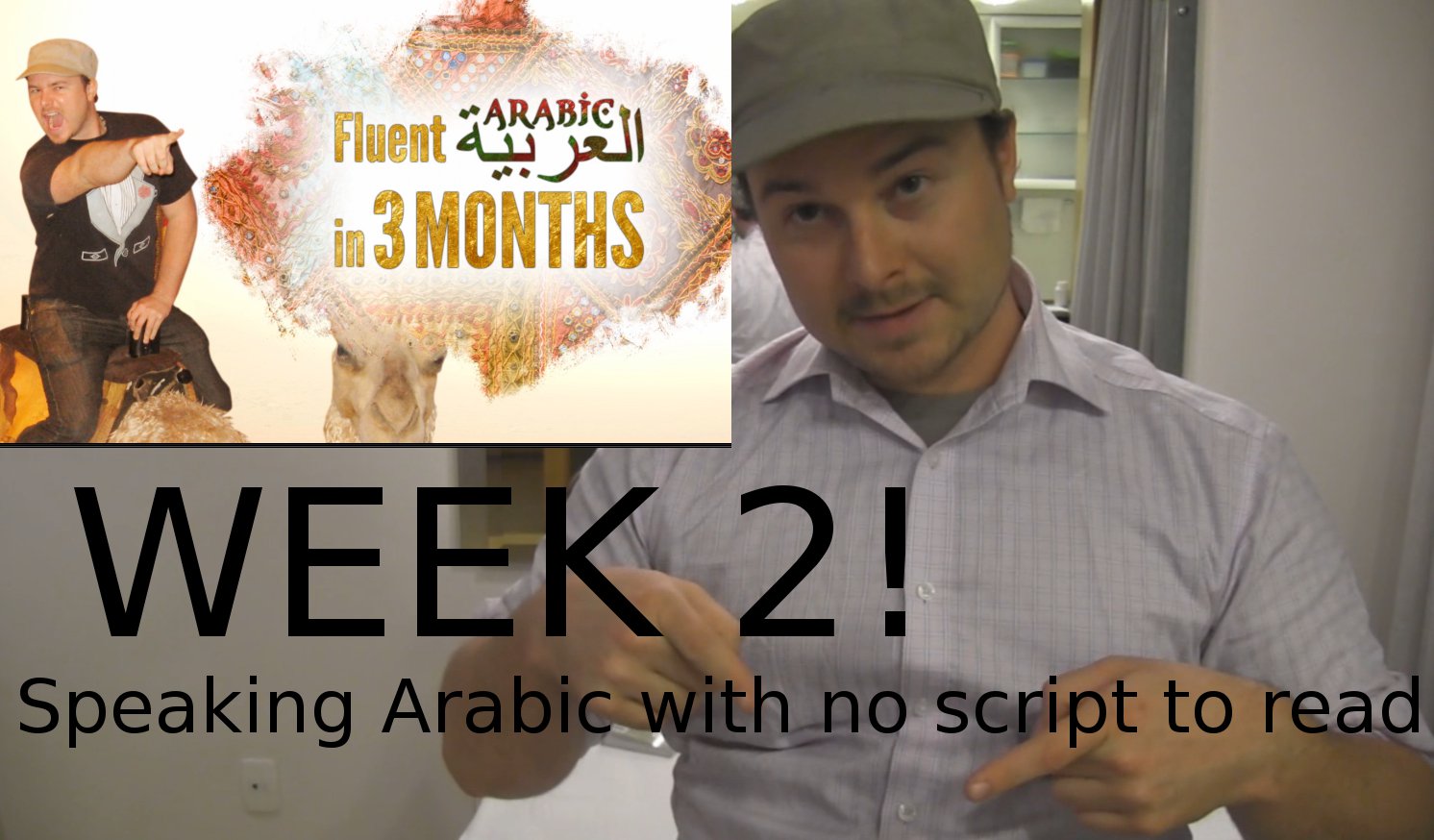
This video was my week-two update from a 2012 project to learn Egyptian Arabic while living in Brazil. It has subtitles in English, Portuguese and Arabic.
In the first week's video, I read from a script. This time I recited a seven-minute script from memory. I made plenty of mistakes, and the result was not spontaneous conversation, but learning those phrases helped me speak more confidently than I had the week before.
That early experiment taught me an important lesson: beginners do not have to wait until they understand the whole language before they start speaking. A small set of useful phrases can give you something real to say while you build the skills for a less rehearsed conversation.
A note from the Fluent in 3 Months team before we get started: You can chat away with a native speaker for at least 15 minutes with the “Fluent in 3 Months” method. All it takes is 90 days. Tap this link to find out more.
Learning Phrases Is Not Just for Tourists
It is easy to imagine language learning as a long sequence of grammar and vocabulary lessons that will eventually make you ready to converse. The difficulty is that knowing how a language works does not automatically make speaking feel comfortable.
My Speak from Day One approach gives speaking a place from the beginning. Memorised phrases are not the end goal, and repeating them does not by itself make you fluent. They are a bridge between having no words available and forming your own sentences in real time.
A useful phrase lets you do something specific. You can introduce yourself, ask a basic question, explain that you are learning or find out a small piece of information. The answer may go beyond what you understand, but even that shows you what to practise next.
Choose phrases for situations you are likely to face, not a generic list you will never use. Learn them as complete chunks, listen to how they sound and practise saying them aloud. Then change one element at a time so the phrase becomes a pattern you can adapt rather than a line you can only recite.
You can start with a phrasebook or learn a few conversational connectors. The point is not to perform perfectly. It is to replace a vague plan to speak someday with a small speaking task you can attempt now.
My Arabic video captured one step in that process. It was rehearsed and imperfect, but it gave me a base to expand. The next useful step after memorising a phrase is to use it with another person, notice where the conversation moves beyond your script and prepare for that gap next time.

Social