


How to Start Learning a Language Today (Your First 10 Minutes)

Full disclosure: This post contains affiliate links. ?
If you want to start learning a language, give yourself ten minutes today. Pick one situation you care about, learn three useful lines for it, say them aloud, then decide exactly when you'll come back tomorrow.
That may sound almost too small, but it turns “learn a language” into something you can actually do. You don't need the perfect app, a colour-coded six-month plan or a plane ticket. You need one useful next action.
I know how easy it is to leave the work to Future Benny, who will apparently have more time, more energy and a beautifully organised life. Unfortunately, Future Benny tends to inherit whatever Right Now Benny puts off.
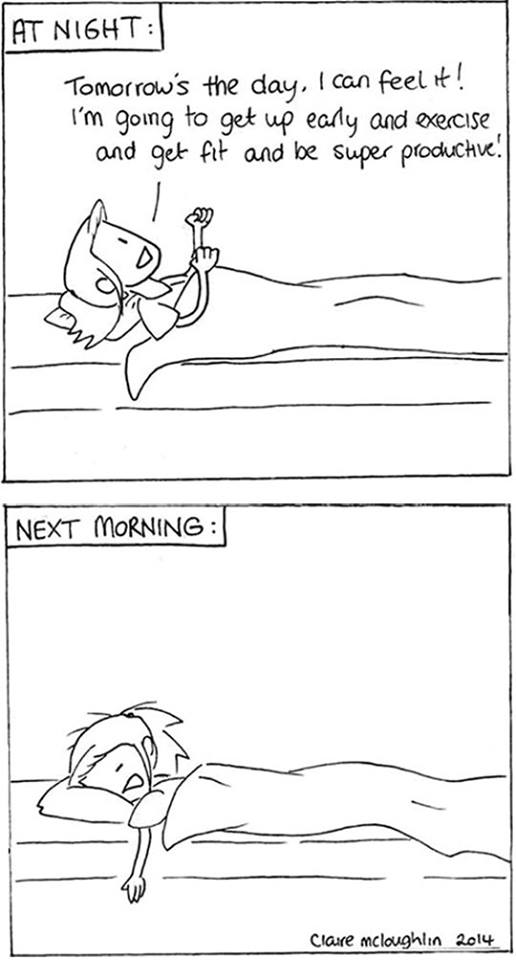
Planning isn't the enemy. A short bit of planning can save you from choosing a resource you can't afford, finding out too late that it has no audio, or trying to study at a time that never works. The problem is planning with no finish line, where every new review or app comparison postpones the first lesson.
A note from the Fluent in 3 Months team before we get started: You can chat away with a native speaker for at least 15 minutes with the “Fluent in 3 Months” method. All it takes is 90 days. Tap this link to find out more.
Start with one situation
“Learn Spanish” is too large to act on this afternoon. “Introduce myself to my new colleague in Spanish” gives you something concrete to prepare for.
Your situation might be greeting a neighbour, ordering coffee, understanding the first minute of a favourite song, or introducing yourself in a language exchange. Pick the one that gives you a real reason to use the language. You can widen the goal later.
This also tells you what to ignore for now. If your first goal is a greeting, you don't need to compare four grammar books or memorise a list of kitchen utensils. You need a few phrases, a reliable recording and a chance to practise recalling them.
Choose one resource, then stop researching
If you already have a trustworthy beginner resource, use it now and skip this section. If you don't, a little research is useful. Give yourself 20 minutes, then choose one main resource for the first week.
That resource could be a course, book, tutor, class or app. Check that it suits your current level, includes audio you can trust, gives you material in manageable steps, and asks you to recall or use what you've learned. It also has to fit the time and money you genuinely have.
AI tools can help you generate practice questions or role-play a simple exchange, but don't memorise a phrase just because a chatbot produced it. Check unfamiliar wording and pronunciation against a reliable dictionary with audio, a well-edited course or a proficient speaker.
There isn't one resource that suits every learner and every language. If you're weighing several methods, my guide to choosing an effective way to learn a language will help. Then close the comparison tabs and use your choice.
Do your first 10-minute session
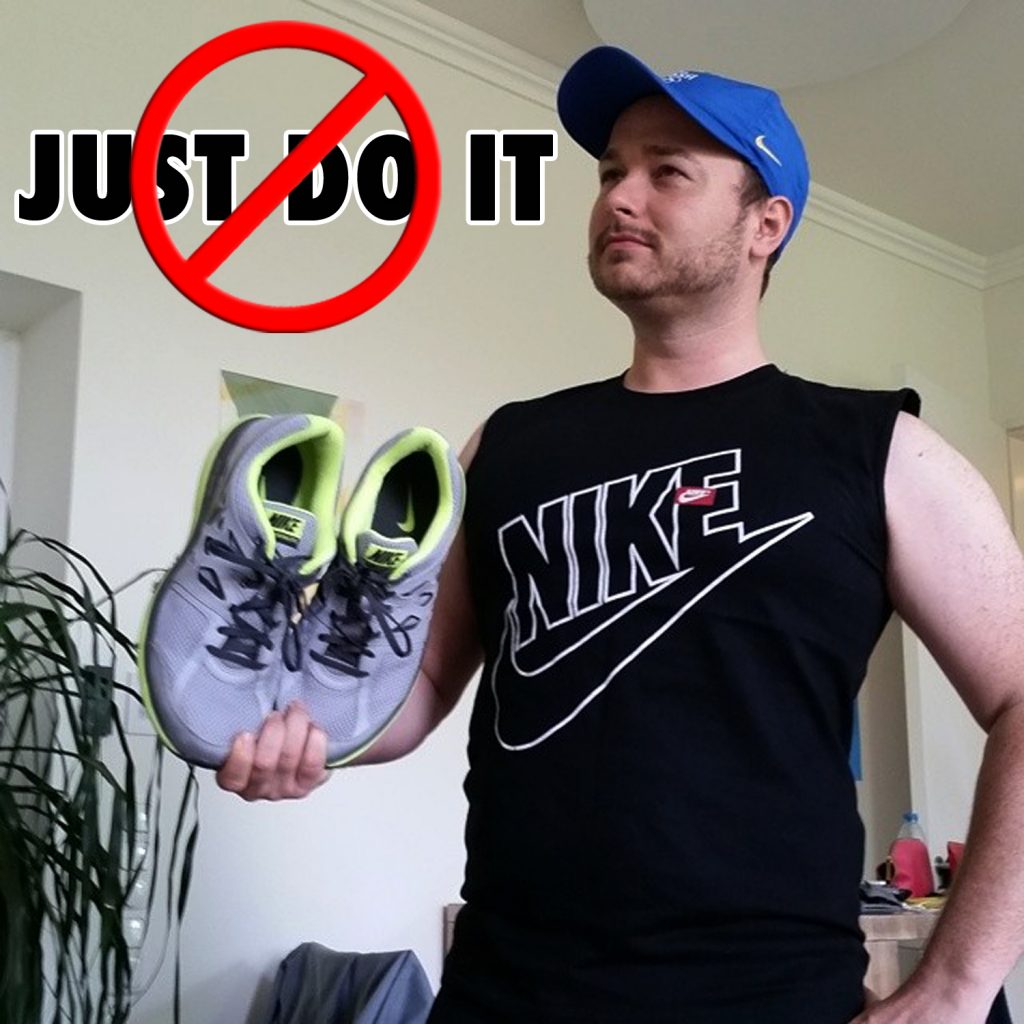
“Just do it” isn't very helpful when you don't know what it is. Here's a first session you can do with almost any language:
- Name one situation. Keep it narrow: meeting someone, buying something or asking a simple question.
- Choose three short lines. “Hello”, “My name is…” and “Nice to meet you” are perfectly good starting points.
- Listen before guessing. Find a trustworthy recording and notice the sounds, rhythm and any polite form the situation needs.
- Say each line aloud. Repeat it several times, then look away and retrieve it from memory. Record yourself on your phone if you want a quick comparison.
- Use one line. Say it to a tutor, exchange partner or friend, or rehearse the whole tiny exchange by yourself if no one is available today.
You won't understand the whole language after ten minutes. That's not the job of this session. Its job is to replace a vague intention with something you have heard, recalled and used.
Make tomorrow's session specific
Before you stop, decide when and where the next session will happen. “I'll study tomorrow” is easy to move. “After breakfast at 08:00, I'll spend 15 minutes at the kitchen table reviewing these three lines” is much harder to misunderstand.
Leave the book open, save the recording or put the lesson on your home screen. Make the useful action easier to begin than another round of searching.
Public accountability is optional. If telling someone helps you follow through, tell them the exact action and ask them to check back after you've done it. You don't have to announce a grand language mission to the world, and the announcement itself doesn't count as practice.
Build towards a tiny conversation
A personalised phrasebook is useful because it begins with the things you expect to say. Add your name, where you're from, why you're learning the language and one question you'd genuinely ask another person. Those lines give your early study a clear destination.
Speaking early can be useful, but day one doesn't have to be a performance. A conversation can give you understandable input and a reason to retrieve what you've learned, while listening and reading give you more language to work with. I explore that balance in more detail in my conversation with Stephen Krashen about input and speaking.
What to do after day one
Come back to yesterday's lines before adding loads more. Try to recall them without looking, check what you've forgotten, then add a small amount of new material that serves the same situation.
Keep one main resource long enough to learn how it works. Add another tool when it solves a real gap, such as getting pronunciation feedback or finding someone to speak with, rather than collecting methods because the first lesson felt ordinary.
As your routine grows, make sure it includes understandable input, chances to retrieve what you've studied, and some way to use the language. My step-by-step guide to learning a language lays out plenty of options, but you don't need to choose them all today.
For now, pick your situation and learn the first three lines. Ten useful minutes today beats another perfect plan for someday.

Social