


How to Give a Toast in (Almost) Any Language

Full disclosure: This post contains affiliate links. ?
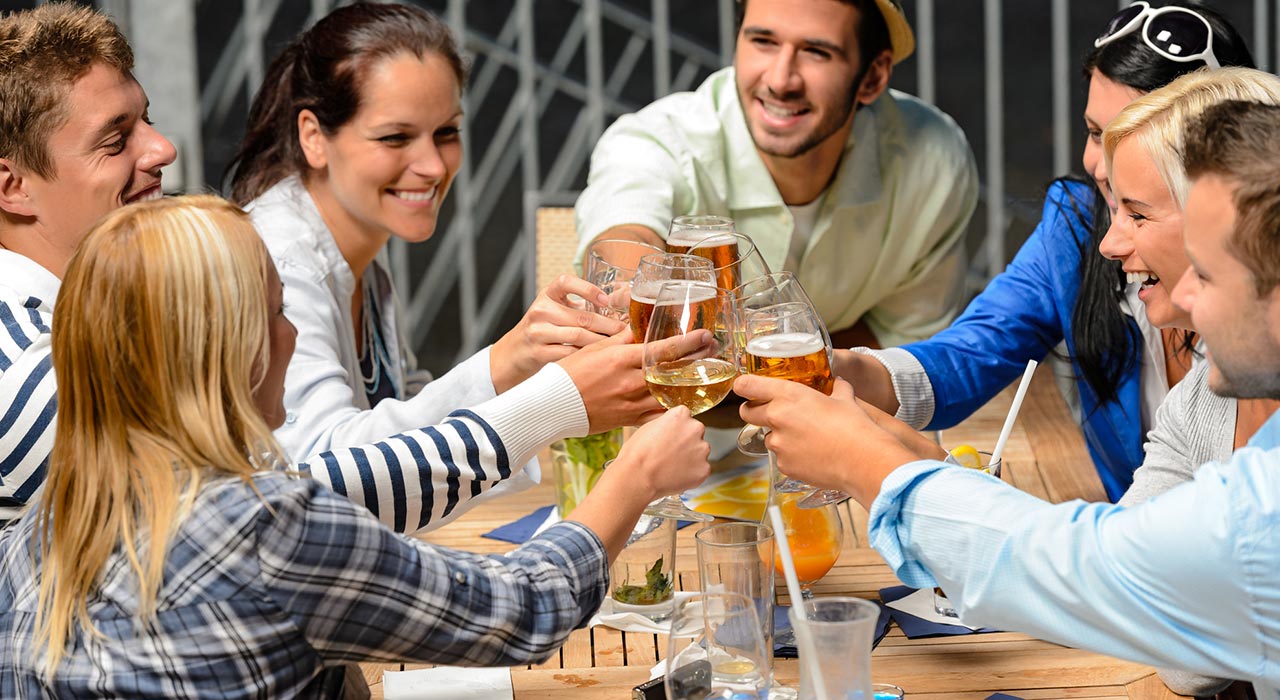
It’s no secret that I don’t drink. But clinking glasses with friends and toasting other people is about so much more than alcohol. When I first wrote this article, Oktoberfest had just begun.
Giving a toast is a cultural experience. It gives you insight into what the people in a particular culture see as important. When you know the way people toast, then you get a glimpse into their most important values. That’s what matters, not whether you have alcohol or orange juice in your glass.
I asked Team Fi3M to help me put together what they knew about the different cultural practices of drinking and toasting around the world, from Mongolia to the United States.
The next time you see people raising their glasses to say “cheers”, here’s what they’re really saying…
A note from the Fluent in 3 Months team before we get started: You can chat away with a native speaker for at least 15 minutes with the “Fluent in 3 Months” method. All it takes is 90 days. Tap this link to find out more.
China: Honour, Respect and Finishing Your Glass
Mandarin Chinese: “干杯” (乾杯 traditional) (“Gānbēi” = “dry cup”)
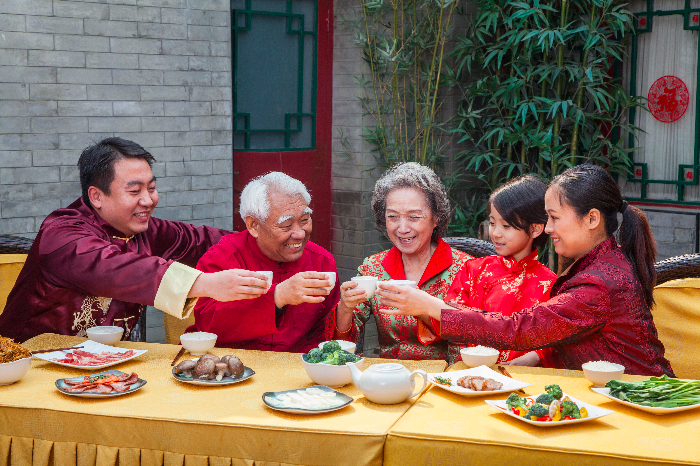
China is a huge country with a lot of different subcultures. Some toasting traditions are widespread, while others are unique to a specific region.
Lower Your Glass
When you’re toasting in China, you may see people clink their glasses with one rim lower than the other. This can show respect by lowering your relative position. It can turn into a funny game of “who can get the glass lower”, as each person tries to put their glass lower than the other, sometimes ending with both glasses on the table.
Tap Your Knuckles
This isn’t technically a toast, but it’s part of the drinking culture in many parts of China. When someone pours a drink for you, politely acknowledge them by tapping your first two knuckles (or fingers) on the table twice.
The origins of this tradition aren’t certain. One popular story links it to an emperor travelling incognito: companions who couldn’t bow without revealing his identity tapped bent fingers on the table instead.
The Dry Cup
Since the term for “cheers” is 干杯 (“dry cup”), some toasts invite people to finish a drink in one go. That doesn’t mean you have to drink more than you want; follow the setting and your own limits.
Japan and Across Asia: Find Someone Else to Fill Your Cup
Japanese: “乾杯” (“Kanpai” = “dry the glass”)
Vietnamese: “Dô” / “Hoan Hô!”
Thai: “ไชโย” (“Chaiyo”)
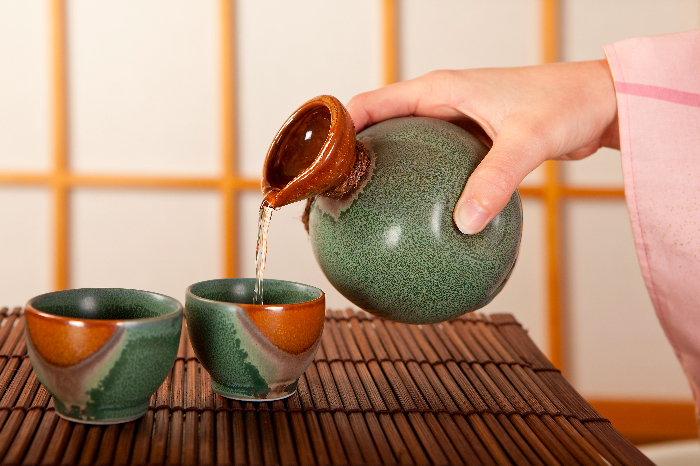
In Japan and some other parts of Asia, it’s common for people to pour drinks for one another. Watch what your hosts do rather than treating this as a rule across the whole region.
In some formal settings, people wait until a glass is nearly empty before refilling it. Follow your hosts’ lead, and never feel obliged to finish a drink quickly.
When you’re in Japan, leaving your glass mostly full can signal that you don’t need a refill. You can also simply say that you’ve had enough.
In some settings, an empty cup may prompt your host to offer a refill. That’s hospitality, not an obligation to accept.
Korea: Use Both Hands, then Look Away
Korean: “건배” (“dry the cup”)

When someone hands you a drink in Korea, take it with both hands. This shows that your full attention is on receiving their gift. Likewise, when you give someone a drink, use both hands. You’ll also notice this practice in shops when people hand you money or goods.
The first toast of the evening can carry particular importance. Soju is often served in small glasses, but it can be strong, and you don’t have to empty yours in one go.
In more formal Korean settings, younger people may turn slightly away from an older or senior person while taking a drink. Watch what others do rather than treating the custom as universal.
Mongolia: Don’t Refuse the Mare’s Milk
Mongolian: “Эрүүл мэндийн төлөө” / “Eruul mendiin tuluu”

When you’re in a yurt in the grasslands of Mongolia, you'll be invited to partake in some sour fermented mare's milk called airag.
Your host may offer it in a small bowl, ladled from a larger container where the drink has been fermenting. If you don’t want it, decline politely rather than assuming you must take a sip.
One of our team members, Joe, experienced this first-hand during his time in Mongolia. Yes, he drank the mare’s milk, and yes, it burns going down.
You’ll also find fermented mare’s milk in Kazakhstan and across northern Eurasia, where it’s called by its Russian name, kumis.
Serving customs vary, so follow your host’s lead rather than pouring any leftover drink back yourself.
France: Respect the Wine
French: “Santé !”, “À votre santé !”, “À la tienne, Etienne !” (“to your health”)

France is of course known for wine, and formal meals can come with their own etiquette.
Wine glasses are often only partly filled, leaving room to swirl the wine and appreciate its aroma.
People may also leave the final centimetre of wine in a bottle if it contains sediment.
At a formal meal, it’s polite to wait until everyone has been served and the host has made a toast before drinking.
Italy: Pre-dinner Drinks
Italian: “Cin cin!”, “Salute!”
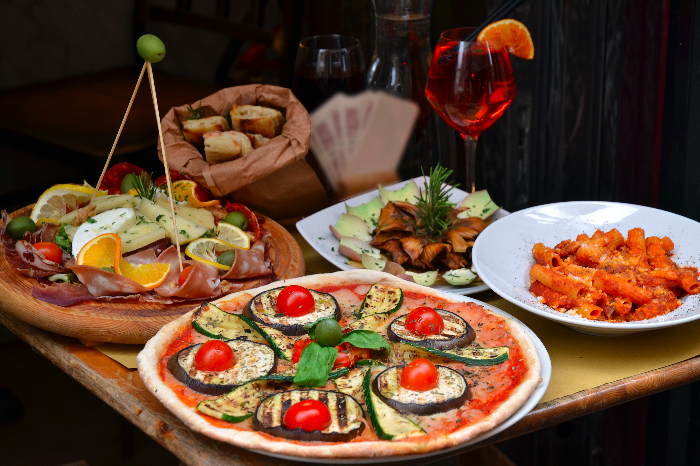
In Italy, a favourite tradition among locals and travellers alike is aperitivo.
Before dinner, you’ll meet with your Italian friends for a pre-dinner drink where you’ll talk, relax and enjoy some complimentary snacks to tide you over.
That’s right: complimentary. When in Italy, head to a bar between 6 and 9 pm. After you order your drink, you may be offered sandwiches, a slice of pizza or sometimes even a buffet.
All Across Europe: Don’t Break Eye Contact
Danish: “Skål!”
Greek: “Yamas!” / “Geiá mas!” / “γεια μας” (“health”)
Finnish: “Kippis!”
Lithuanian: “Į sveikatą!”
Swedish: “Skål!”
Given all the cultures and languages in Europe, you can bet there are lots of different cultural perspectives on drinking across the continent.
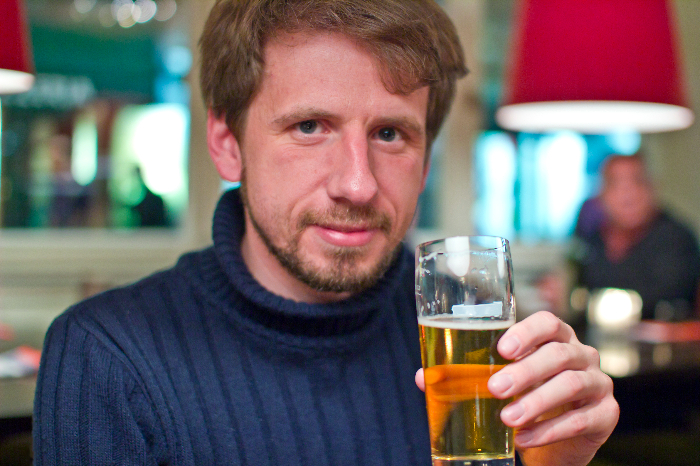
Czech: “Na zdraví!” (“to your health”)
In Prague, the beer can be both excellent and affordable. To toast, people may lightly clink their glasses together while looking their drinking partner in the eye.
Hungarian: “Egészségedre!” (“to your health”)
In Hungary, though, clinking was traditionally avoided. And while in Hungary you can sip your drink more slowly, people in Poland may be happy to drink theirs more quickly.
Polish: “Na zdrowie!” (“to your health”)
There’s variation even within the same country. In Belgium, people in Brussels might stand to toast, whereas in Antwerp they may raise the glass twice.
Across many parts of Europe, it’s customary to maintain eye contact during a toast.
In Germany, a joking superstition says that breaking eye contact brings you 7 years of bad sex.
German: “Prosit!”, “Prost!”, “Zum Wohl!” (formal)
In the Czech Republic, a similar 7-year superstition warns against crossing your arms while maintaining eye contact.
Spain: If it’s Your Day, You Pay
Spanish: “Salud” (“Health”), ¡Arriba, abajo, al centro, pa' dentro!
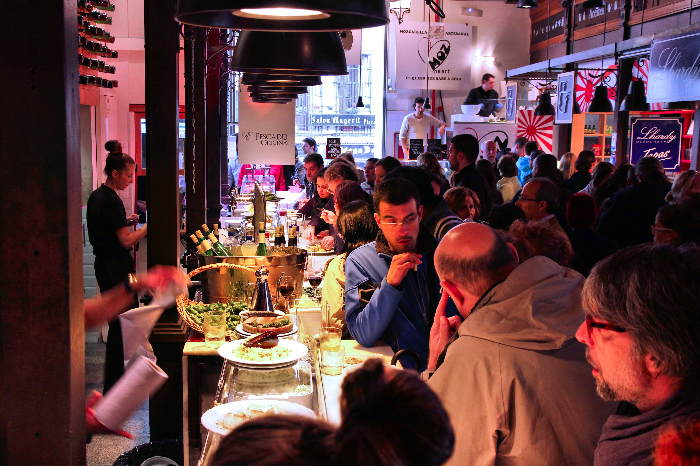
In some groups in Spain, the person celebrating may pick up the tab rather than expecting friends to pay for them.
The Spanish phrase te invito can mean “I’m treating” rather than simply “you’re invited”.
Turkey: Anise and Water
Turkish: “Şerefe!”
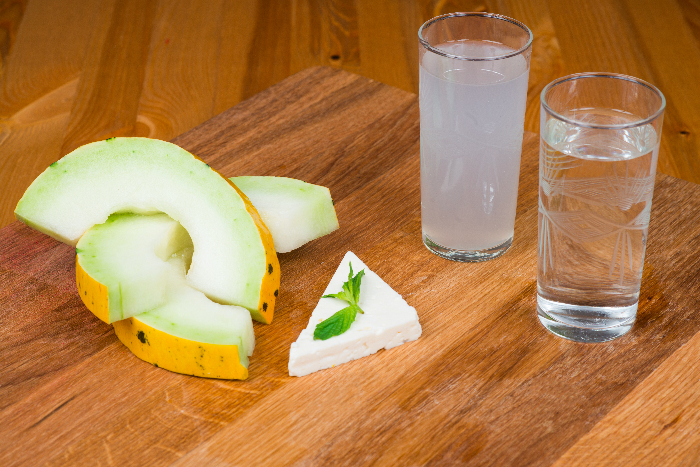
In Turkey, people drink rakı, a spirit flavoured with anise. I had the privilege of smelling rakı once, and it smells like painful liquorice.
Rakı is commonly served with cool water (I imagine to put out the fire) and shared with friends in a Turkish tavern called a meyhane.
Russia: A toast for every round
Russian: “za zdorovye” За здоровье (“to your health”)
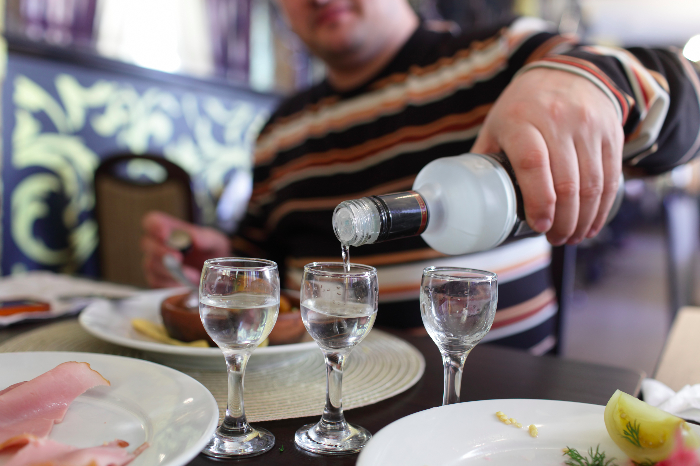
In Russia, vodka is traditionally served neat. Don’t even think about mixing it with something fruity, according to the conventional image, but you never have to drink more than you want.
Also be prepared to give a new toast before each round. A fun second toast to have ready is “May there be a short break between the first and second rounds!”
UK, Ireland and Australia: Buy a Round, and then Another…
Irish: “Sláinte!” (“to your health”)
Scottish: “Slàinte!” (“to your health”)
Welsh: “Iechyd da!” (“good health”)
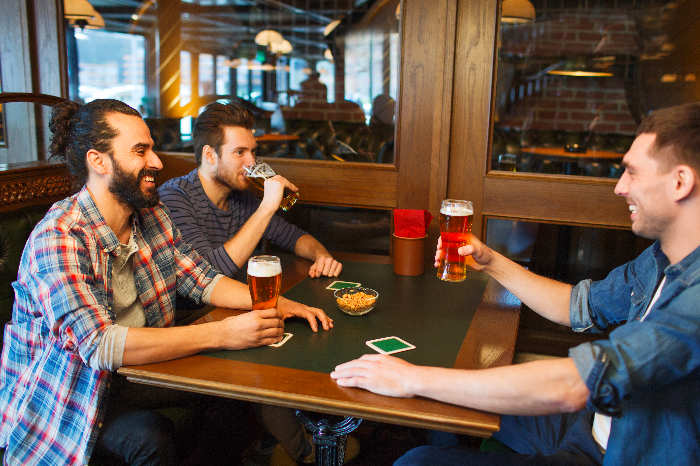
A night out in the UK and Ireland is often based on rounds. So rather than buy your own drink, you buy your entire table of friends a round of drinks, and everyone takes it in turn.
It’s more efficient that way, since only one person ever has to waste time at the bar!
This can get pretty serious. A round bought for 3 friends, for instance, may be followed by a round from each person. That can quickly add up, so there’s no obligation to match everyone drink for drink.
In Ireland, the pub is a place to hang out even if you’re not drinking. You’re just as likely to find my grand-aunt at the pub as you are to find anyone else. You can expect to hear music playing and people singing.
And when you hear someone start a rendition of a song in a countryside pub, even if it’s for the third time, you’d better pipe down and listen. Only when they’re done can you continue your chats. (And those songs can be long, trust me.)
In Australia, the tradition of buying a round is called a shout. People who accept a shout are generally expected to return the favour, but you can always opt out.
United States
“Cheers!”

The most interesting drinking traditions in the United States to me are the amazing number of elaborate drinking games that have popped up over the years.
Beer Pong is an example of how Americans combine alcohol with creative ingenuity. But it doesn’t stop there: there’s also flip cup, quarters and even Edward Fortyhands, to name a few.
The U.S. is also the place that came up with the concept of making drinking games out of how many times they see something show up on TV or in a movie. “Drink every time Ron says ‘brilliant’”!
Here’s a running joke: count how often I talk about the importance of speaking a language from day 1 on my YouTube channel. You’ll spot it long before you reach fluency in your target language.
What Did I Miss?
Of course, there are many more drinking traditions around the world. There are so many rituals related to saying cheers, toasting and socialising over a drink that it’s impossible to put them all in one article.
So what did I miss?
Sláinte!

Social