


24 Things That Surprised Me in Japan: A 2014 Travel Memoir

Full disclosure: This post contains affiliate links. ?
In early 2014, after almost eleven years of travelling the world, I finally had time to learn some Japanese and visit Japan.
I had a whirlwind adventure over several weeks. I wrote this article just afterwards, from Texas, while preparing to launch my book Fluent in 3 Months.
That gave me time to reflect on the many things that surprised me in Japan. After living in over two dozen countries, I noticed plenty of contrasts. These are personal snapshots from one trip in 2014, not rules about Japan or everyone who lives there.
Here are 24 memories that came to mind when I reflected on that trip. Enjoy!
Editor's note: Before we get started, if you’re looking for an online Japanese course, here’s the course we recommend: Japanese Uncovered – Learn Japanese Through the Power of Story, a course with a fascinating new method by Olly Richards. You can try it for free for 7 days!
1. Cuteness overload
You know the way anime characters can have incredibly large eyes? Some of the cats and dogs I saw seemed to have stepped straight out of a cartoon.
I found them adorable. More than once, I stopped by a pet shop window just to say “awww!”
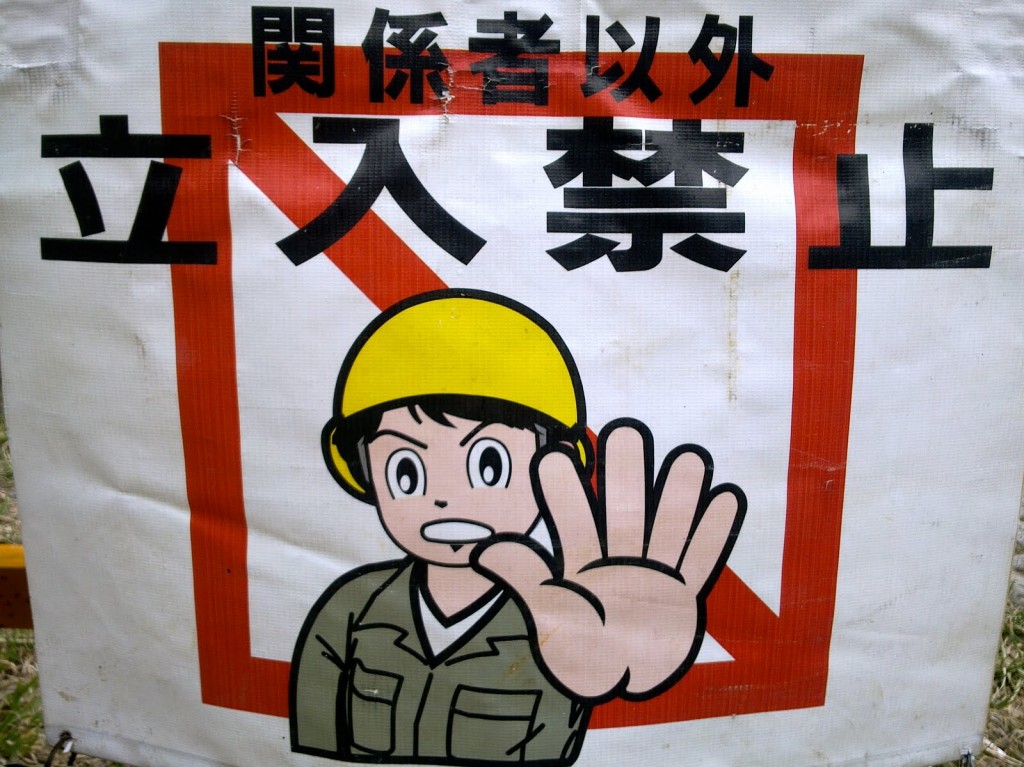
As well as this, signs on public transport to remind you to hold on to the standing support, and even serious signs on roads, often look a little too much like the style used in Manga comics, right down to the surprise dashes and single droplet of sweat on their forehead.
I felt like the construction-site warning character was about to yell Kamehameha.
2. Remote control heated toilets
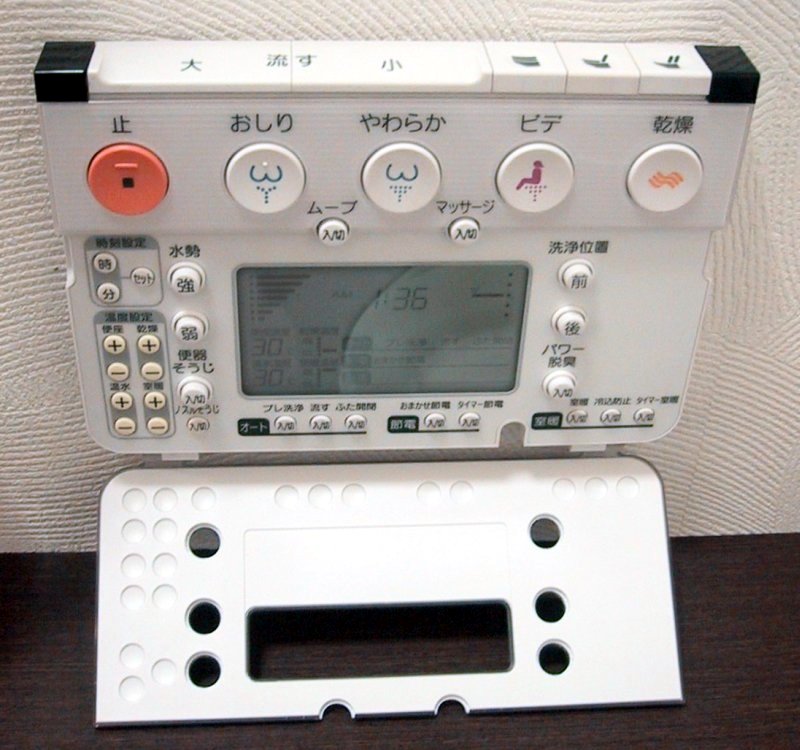
Honestly, I’m spoiled now. The welcoming feeling of a warm, toasty seat during your private time makes going to the bathroom in Japan a surprisingly enjoyable experience. Now that I’ve left Japan, nothing but cold seats await me, and that’s just… a bummer.
I was expecting heated seats before arrival, but I didn't know that a complex control panel could let you adjust the heat based on your rear-quirements.
What surprised me was how many extra features some toilets had:
- Detachable wireless remote controls – because we all know how often we like to control our toilet from a distance
- A button to make water flowing noises (without wasting any of the real thing), so that anyone around you can’t hear what you’re doing
- Bidet features for both men and women, including heat, pressure level, and position
- Automatic flush when you get up, so you don't have to pull that pesky lever
- And even a button to lift and lower the seat, combined with automatic flushing. A wonderful combination of excessive and brilliant!
Then there were features that I just couldn't figure out, like external faucets on top of the toilet to fill it back up again – they looked like a mini-sink.
Who knew you could have so many buttons when in the west we just have a flushing option!
3. Heated other things
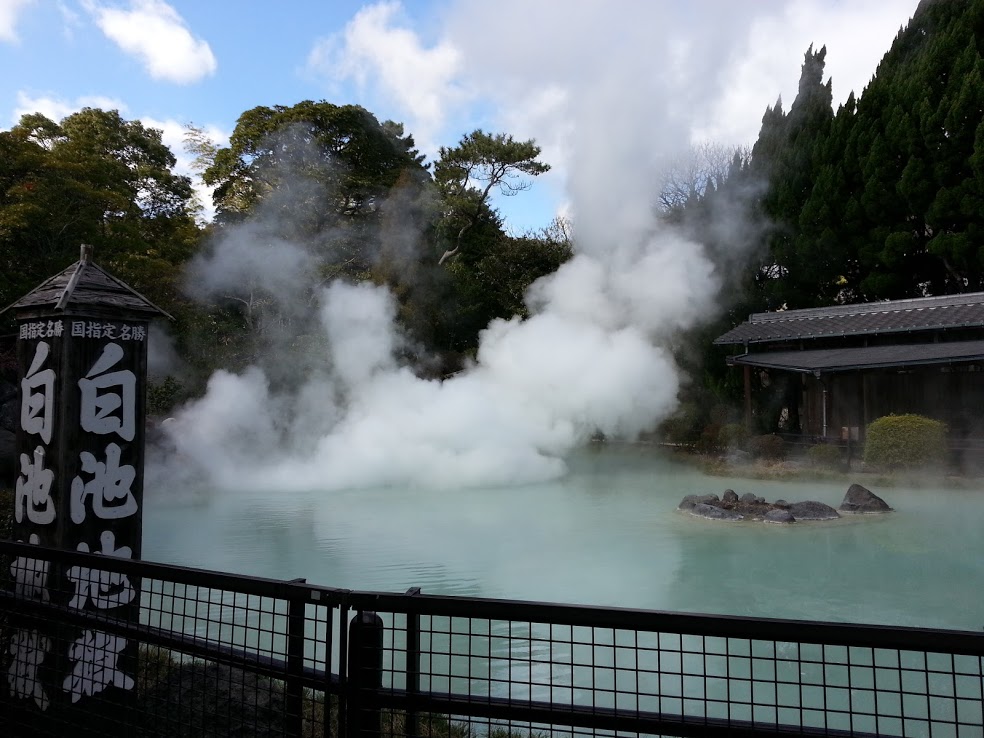
- Heated seats on trains (very nice touch in the winter!)
- Heaters next to tables in restaurants, and under tables with blankets to hold in the heat
- Shoe heaters for when it's wet and snowy
- Onsen, or hot-spring baths. Many communal baths are separated by gender, although arrangements vary.
4. Technology I did not expect
One of the first things I noticed after splashing out on a taxi was the automatic rear door. The driver pressed a button, and it felt like a ghostly butler had welcomed me to the ride.
Other than that though, unexpected electrical gizmos included:
- Moving robots in the shape of people, directing traffic
- Talking thermostats when you change the water temperature
And there was even a talking electricity panel! When I was in Valencia (Spain) before this trip, there were a couple of times when we might use the oven and the microwave at once and the power of the entire apartment went off instantly, since we were over our limits. In our place in Tokyo though, when we were using too many electric devices, the apartment told us to go easy on them! A voice from above was watching over us…
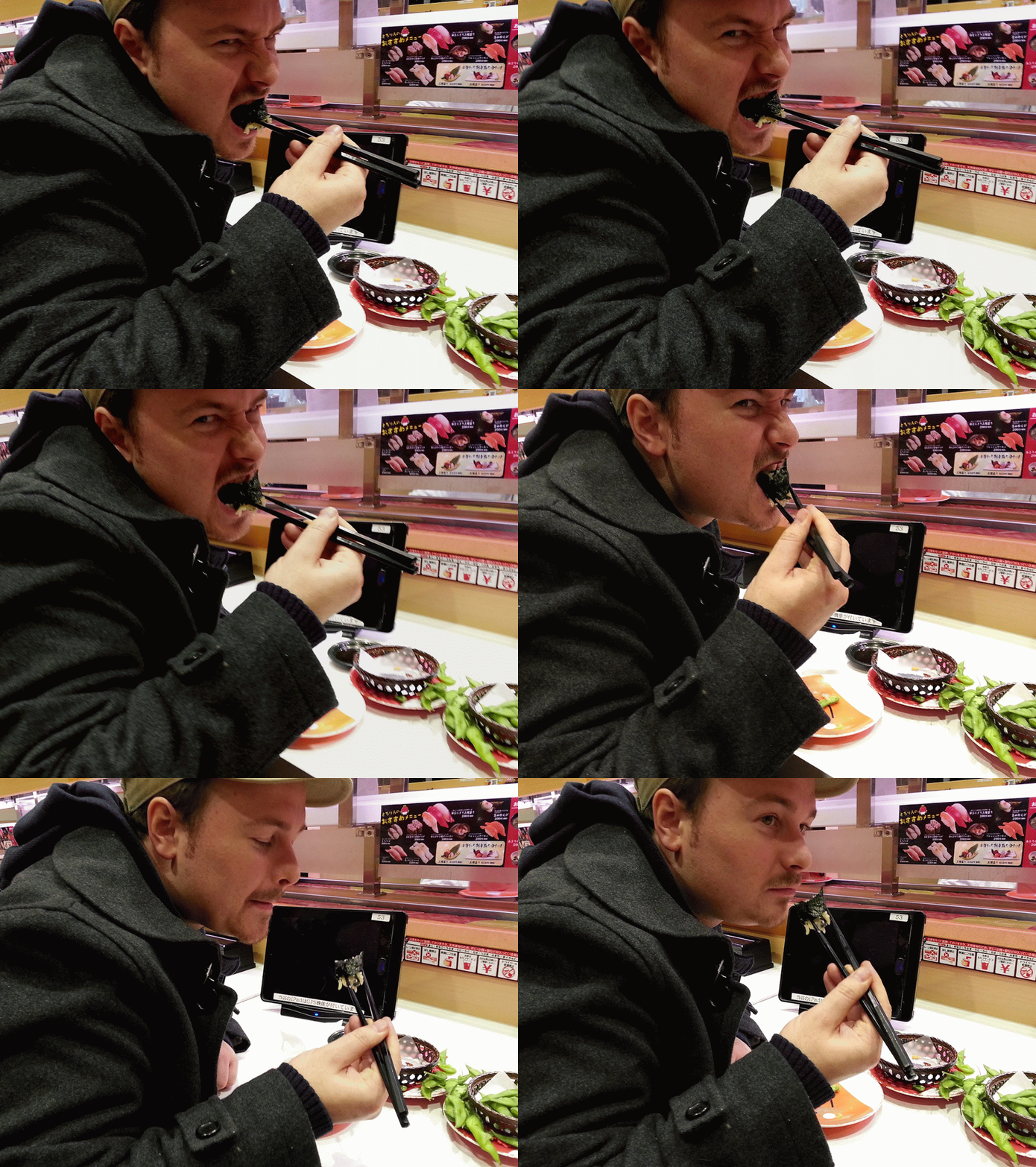
The funniest though was when we went to eat sushi in a sushi-go-round with no need for human interaction. We ordered extra food from a digital display in front of us, and until we had to pay we had ordered lots of food not on the sushi-go-round. It arrived in style too! It came directly from the kitchen on a mini “Shinkansen” train!
5. Cleanliness customs that stood out
- Many restaurants, and even some arcades, provided moist hand towels
- In one place we found that there was a special mouthwash fountain, beside the water fountain, so that you could keep your breath fresh and minty.
- I often saw people wearing face masks, whether for health, allergies or another personal reason
- Many taxi drivers wore crisp white gloves, which added to the polished service
- Many counters had a small tray for exchanging cash, a practical bit of payment etiquette
6. Bowing and other respectful customs
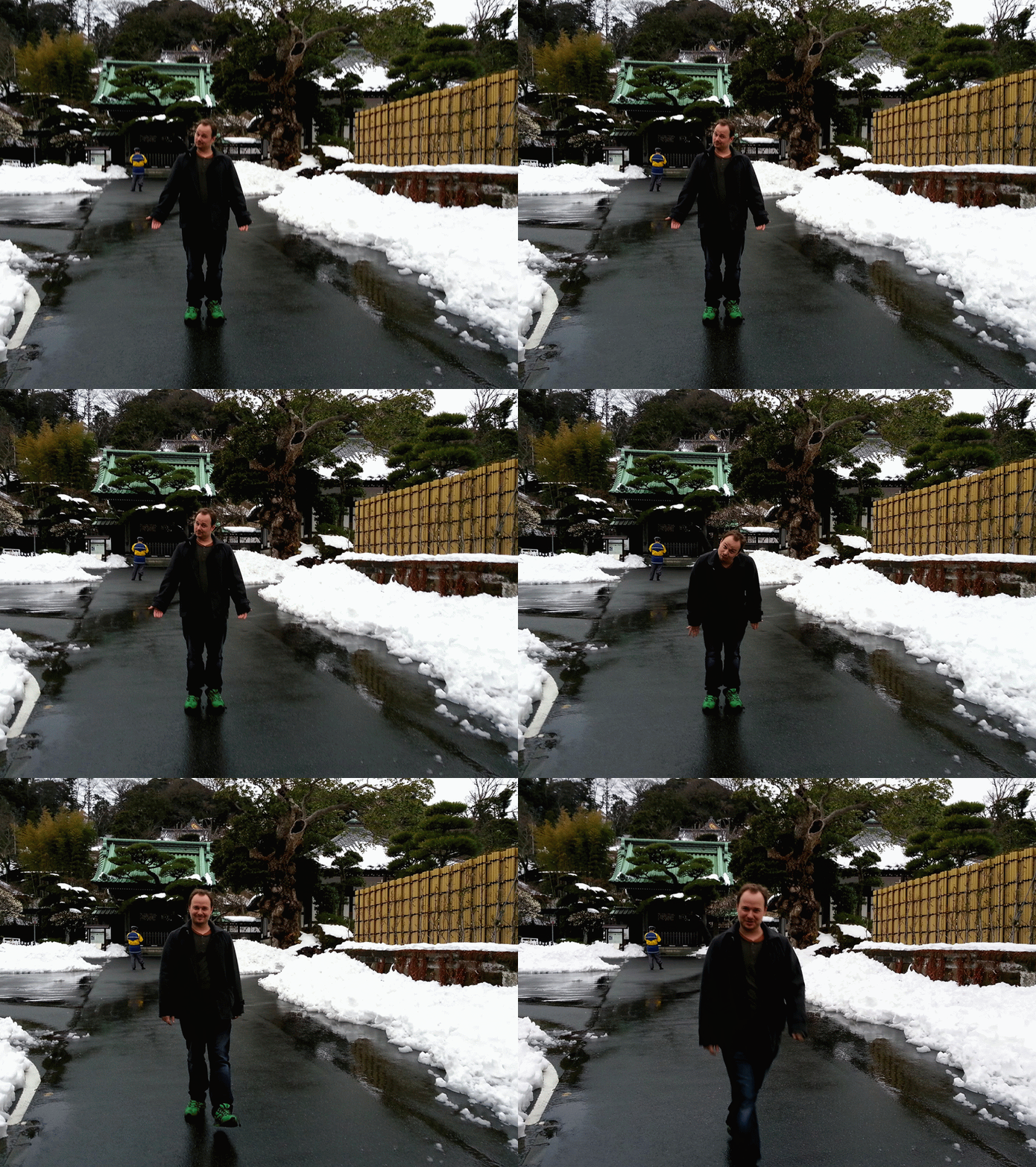
I never did get the hang of all the nuances of bowing. I would bow back if someone bowed to me, but then they might bow again. The depth, duration and timing depend on the situation and the relationship between the people involved.
From my outsider's perspective, some exchanges became a friendly loop of bows. Once, I had to wait to enter a convenience-store aisle while a group in front of me finished saying goodbye.
Other etiquette matters too. You should never stick chopsticks upright in rice, because that resembles a funeral offering. And in homes, some traditional accommodation and other clearly marked spaces, you remove your shoes at the entrance. When in doubt, watch what your host does.
We got so used to this custom that it felt strange to enter a house with shoes on when we got into America…
7. Punctuality and brisk doors
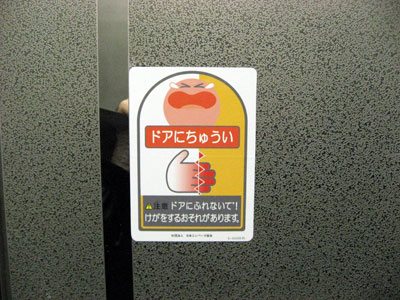
One of the first shocks after we arrived, jet-lagged and ready for bed, was how quickly an elevator door began to close while I was entering. It certainly woke me up.
Compared with the lifts I was used to, some doors closed quickly. I learned to move promptly or use the door-open button.
I also noticed commuters hurrying through busy stations, particularly in the cities we visited. Okinawa felt more relaxed to me, but that contrast was only my impression from a short trip.
Punctuality mattered to the Japanese tutors I worked with too. If I was even a minute late to an online lesson, I would get a message asking whether everything was OK and whether we needed to reschedule.
The trains gave me my clearest lesson in punctuality. Boarding windows felt short, so I learned to be ready when the train arrived and to follow the platform staff's directions.
8. Lack of space
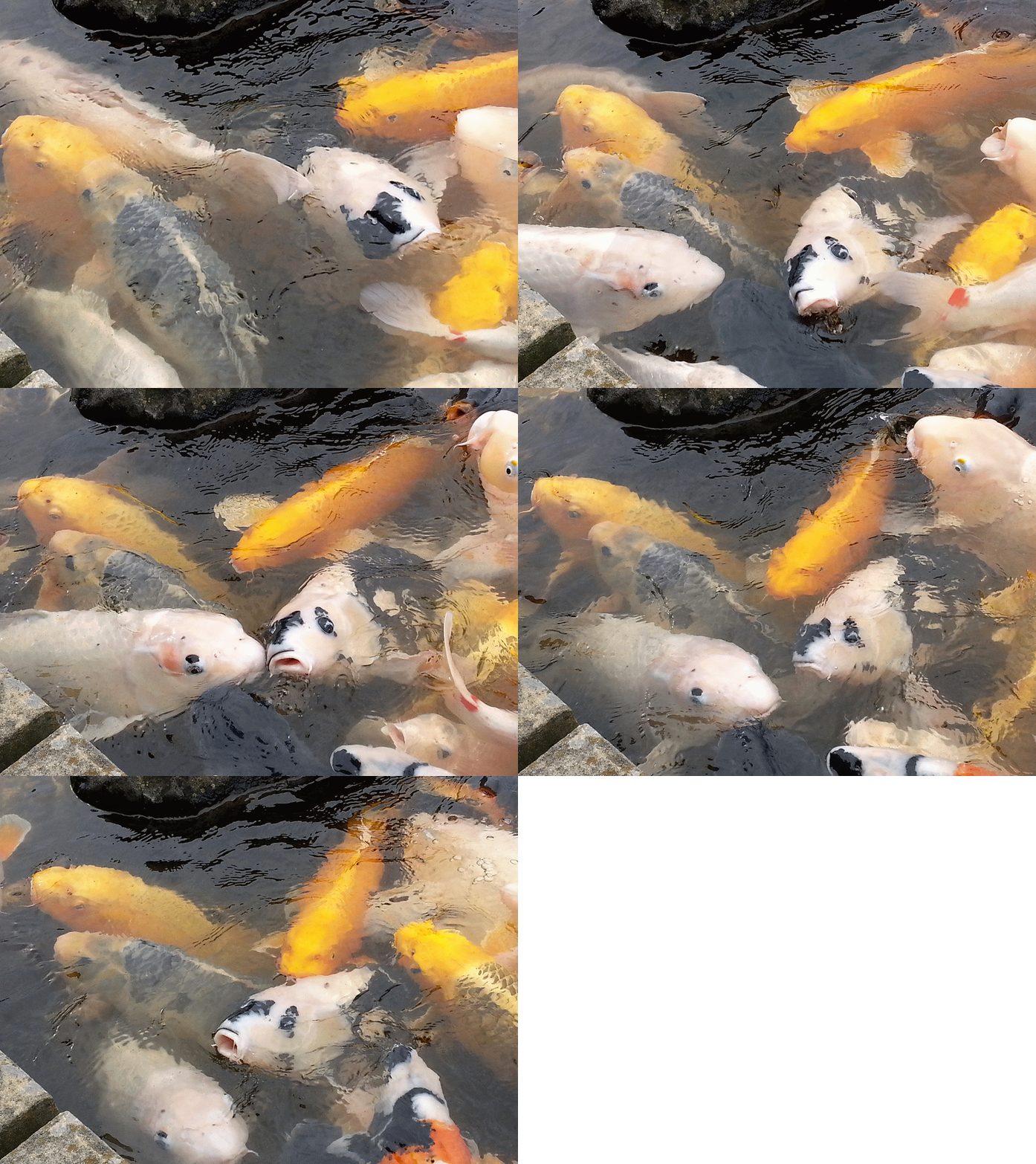
The space-time continuum really has its work cut out in Japan. As well as running out of time, people also get to run out of space.
Japan's mountainous terrain leaves limited flat land for its large population, and compact design was especially noticeable in the cities I visited.
I saw mechanical car parks, compact bathrooms where one faucet served the sink and shower, and small living spaces designed to make every centimetre count.
I once hit my head badly on a low doorway. I'm not especially tall, and my feet still hung off several beds, so older or more compact buildings took some adjustment.
9. Certain things very convenient!
- Since we travelled with everything we owned, we used a luggage-forwarding service rather than carrying large suitcases on trains. It cost us about US$15 per 23 kg suitcase in 2014, but current prices and limits will differ.
- When we sat down in some restaurants, they provided a special basket for us to store handbags and coats/scarves if they couldn't be hung up.
- Umbrella stands outside many buildings
- USB charger stations in unlikely places like the back seat of taxis
- One place had a clever demister built into the mirror. It was nice to shave immediately after a hot shower without wiping away steam.
- Trains had a special slot in the back of the seat in front of you to hold your ticket. Pretty clever for quick access when the conductor came!
10. Few public rubbish bins
Something I found less convenient was the shortage of public rubbish bins. If I bought something in a convenience store and walked away with the packaging, I often had to carry it for quite a while.
Yet the streets I saw were remarkably clean. We learned to carry our rubbish until we found the right place and to pay attention to local sorting rules, which varied between the buildings where we stayed.
11. Some costs surprised me

I had been warned about the cost. On this 2014 trip, the travellers I met who spent less tended to have long-term accommodation or had researched their options carefully.
I still found moderately priced accommodation and some inexpensive places to eat. As a vegetarian, though, I had fewer easy options than I expected.
The useful lesson is to compare current accommodation, transport and connectivity costs before you go. My 2014 prices are memories, not a budget for a trip today.
For instance, I wanted mobile data for work, maps and photos. The cheapest option I found then was almost US$40 for two weeks and 2 GB of data, without a phone number.
I also met someone paying several hundred US dollars per month for a portable 4G Wi-Fi router. That reflects the options we encountered in 2014, not today's market.
And the taxis! I once paid almost US$40 for a short ride when I was in a hurry. After my rail pass expired, the train from central Tokyo to the airport cost us about the same per person. Again, those are 2014 prices, so check current fares before planning a budget.
12. Kanji galore
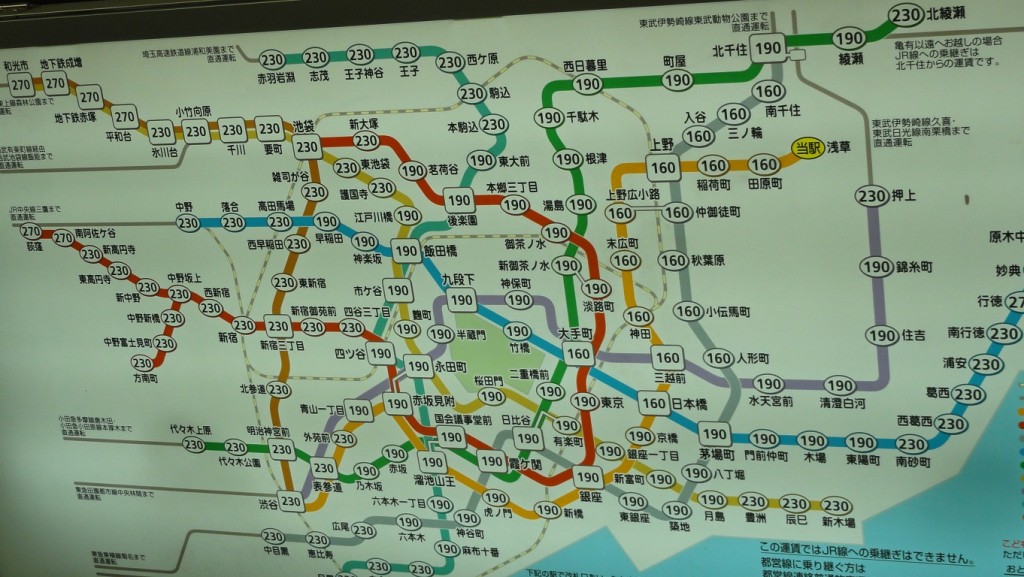
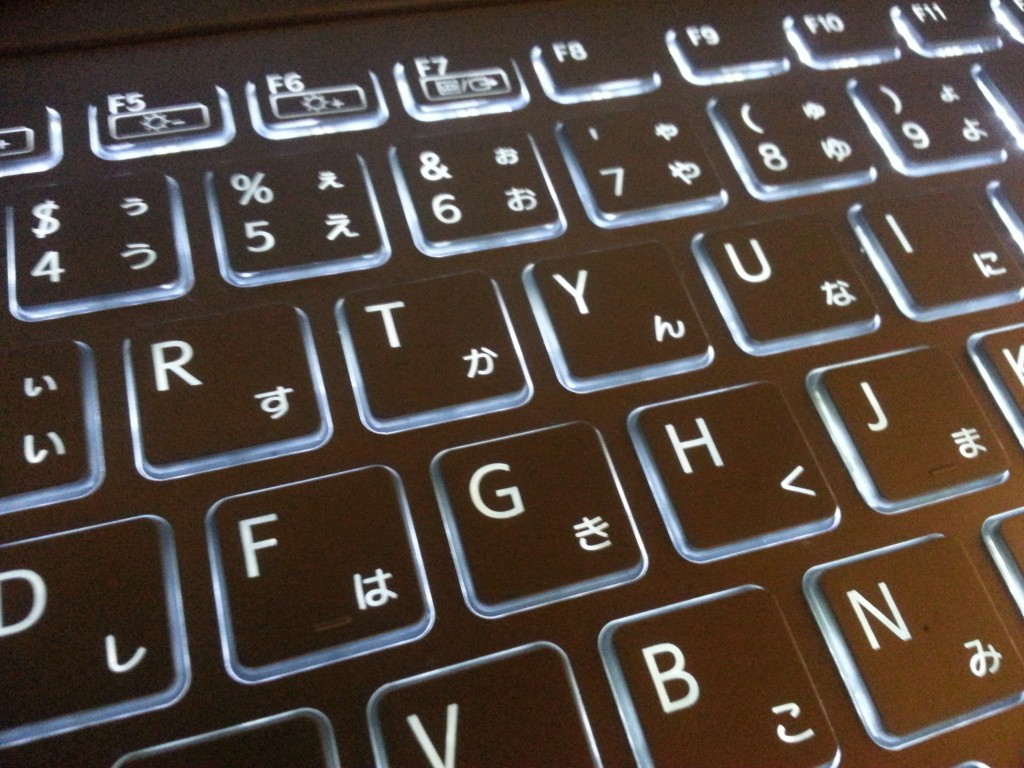
I expected to see lots of kanji, but in 2014 I was surprised that some Tokyo fare maps I needed did not show station names in the Latin alphabet.
We had to compare several rail and subway maps, then look for the kanji of our destination. Many place-name characters are also used as hanzi in Chinese, so the small amount of Chinese writing I knew came in handy.
On that trip, I found rōmaji, Japanese written in the Latin alphabet, more consistently on transport signs outside Tokyo. For food, I combined the kana I could read with the Pleco app, which is designed for Chinese but helped me recognise some shared characters.
At the time, I focused heavily on speaking before studying much kanji. That suited my short-term goal, but it is not the only sensible sequence. If reading matters to your goals, start learning kana and useful kanji early while you practise speaking.
13. Busy city crowds
Remember what I said about compact spaces? In the bigger cities, crowds soon became part of the rhythm of the trip.
Some metro journeys felt crowded even outside rush hour. This old clip of Shibuya Crossing gives a sense of the scale:
14. Themed cafés
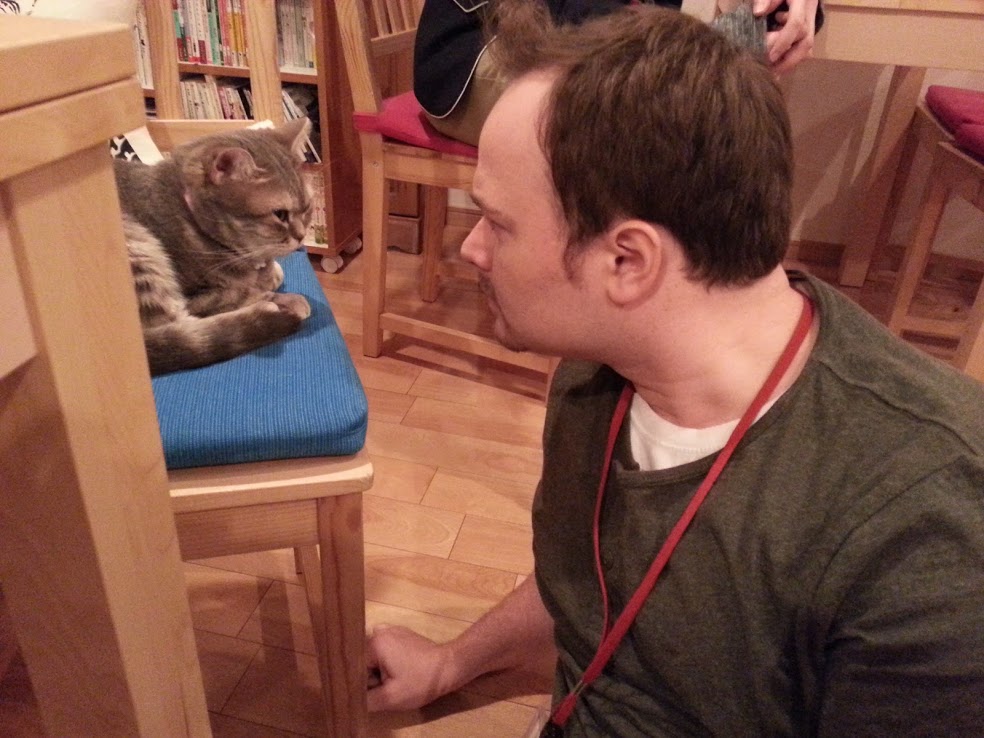
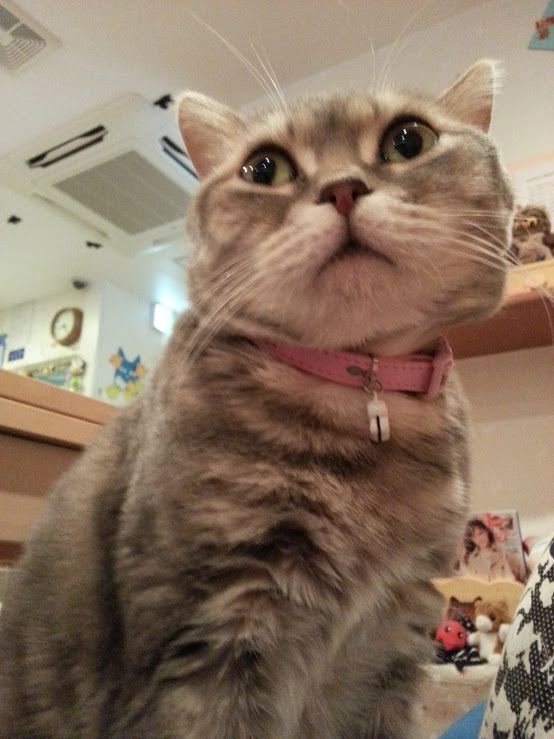
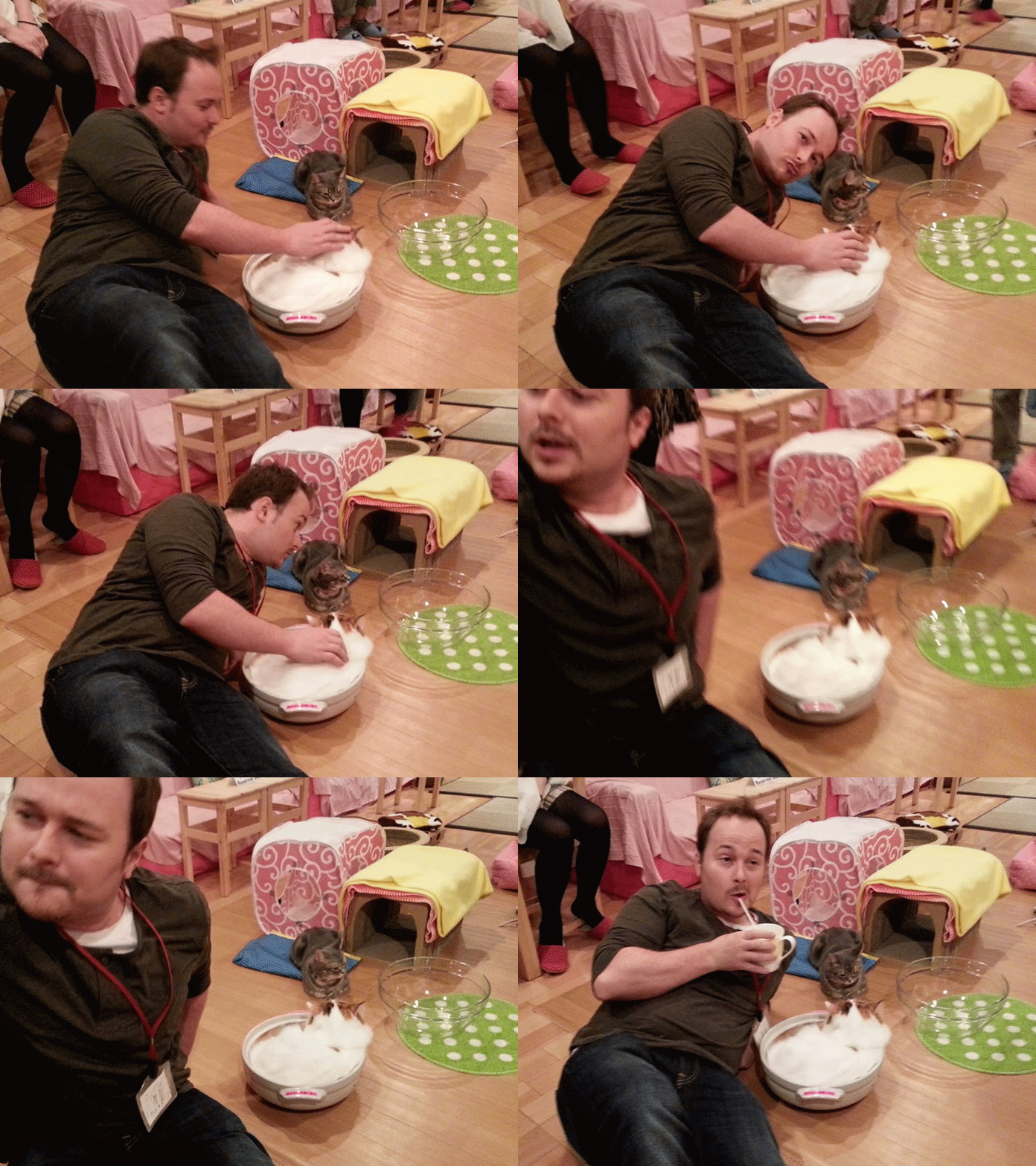
Tokyo had a range of themed cafés, including places with animals. Around Shibuya, I saw the neon sign 猫カフェ (neko kafe, “cat café”) and had to see what was inside. If you visit an animal café, check its welfare practices before paying.
The cats were not nearly as cuddly as I expected. Most ignored me, which was fair enough after a day of attention from visitors.
15. Pachinko
Pachinko parlours were hard to miss. I spent 1,000 yen in one of these loud, smoky venues on a game that looks a little like vertical pinball. You turn a dial to launch small steel balls and try to guide them into winning pockets.
I probably should have learned the rules before spending that 1,000 yen.
16. Japanese style living quarters
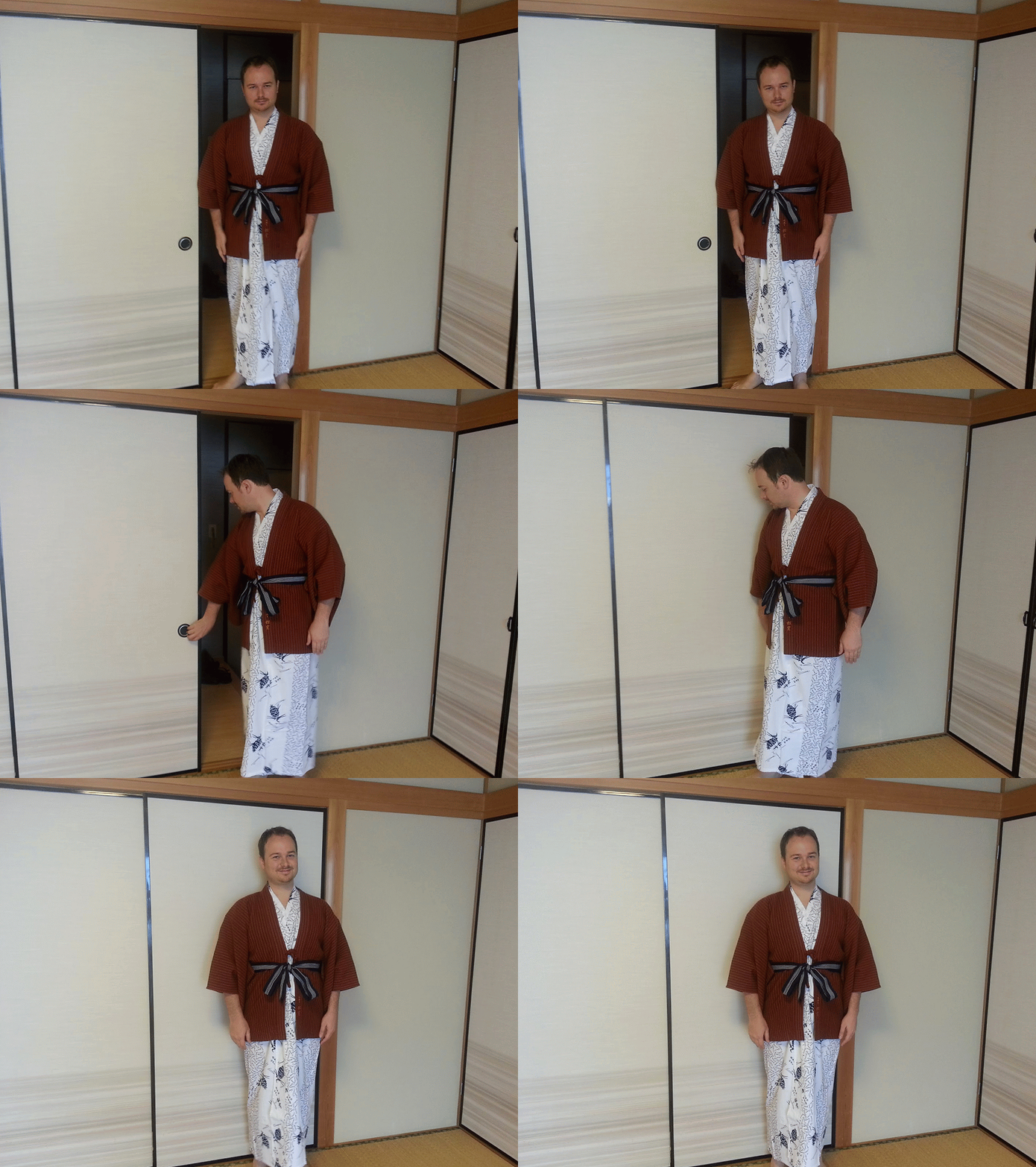
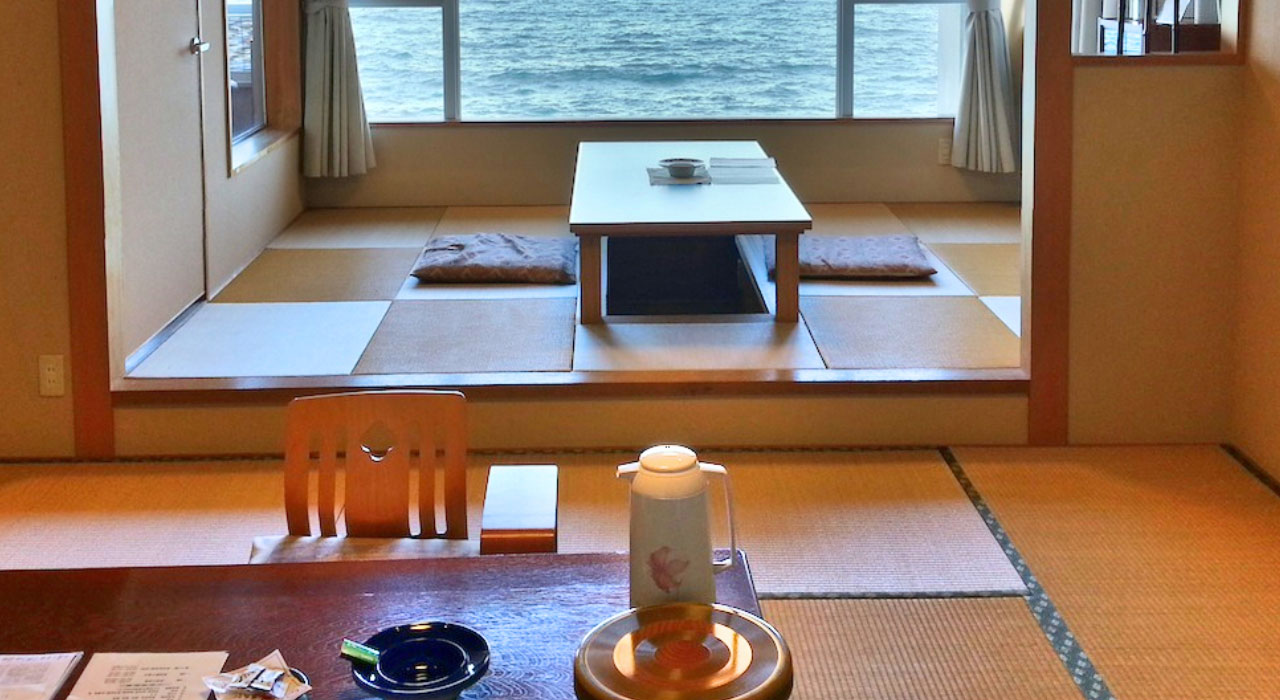
While plenty of hotels do tend to lean towards western style, we managed to stay in more traditional Japanese style places with sliding doors (makes you wonder if you've missed a hidden room!) and kneeling tables.
The most confusing part was when we arrived in one and couldn't find the bed anywhere, until we realized that there was no actual bed, but a fold out thick blanket for the floor stored on a shelf. This way you can take better advantage of more limited space and have a living room or dining room that converts into a bedroom in an instant.
17. Familiar things that are different in Japan

- On the taxis I saw, a red sign often indicated that the taxi was available. Because the display can show different statuses, I learned not to rely on colour alone.
- Theme songs in stores are repeated over and over again, even if the audio is only 2 minutes long. “Yamada Denki”‘s theme will be stuck in my brain forever.
- We often found twin beds easier to book than a double. In several rooms, pulling the single beds together became part of our arrival routine.
- The GPS in our car rental was a little too considerate: “You have been driving for two hours. You might consider taking a break.”
- The funniest moment came when an apartment owner buzzed to meet us. I pressed a big red button on the intercom, assuming it opened the door. It was an emergency button, so an alarm sounded and the police were called. Luckily the owner stopped it before we had a second run-in with Japanese police.
18. I often felt safe
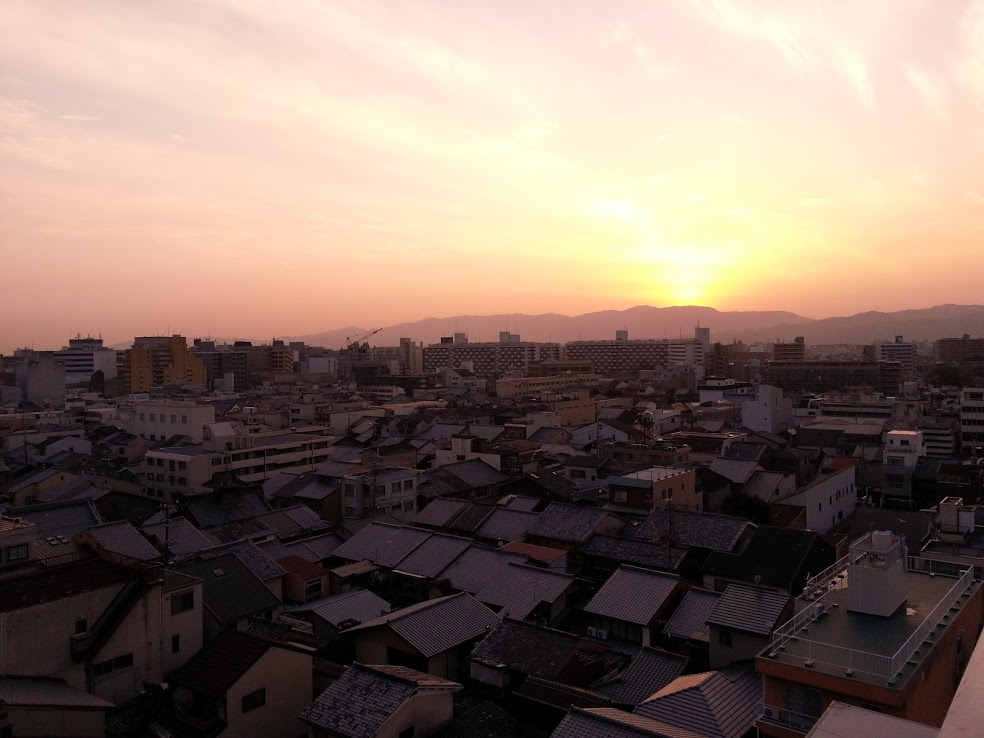
One thing I noticed was that some people in restaurants left wallets and smartphones on the table when they went to the bathroom, even when nobody in their group stayed behind.
That confidence in strangers surprised me. It did not mean crime was impossible, of course, so I still used the same common-sense precautions I would use anywhere else.
19. The 500-yen coin
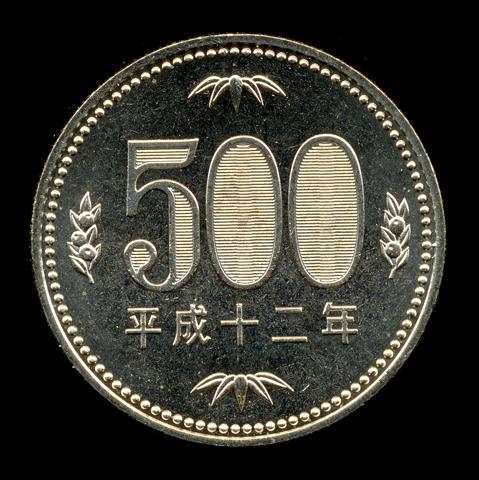
Japanese coins go up to 500 yen, while banknotes begin at 1,000 yen. After a few weeks of mostly paying with notes, I realised that the coin section of my wallet held far more value than I expected. Cha-ching!
And a useful language detail: 円, “yen”, is pronounced en in modern Japanese.
20. Travelling as a vegetarian
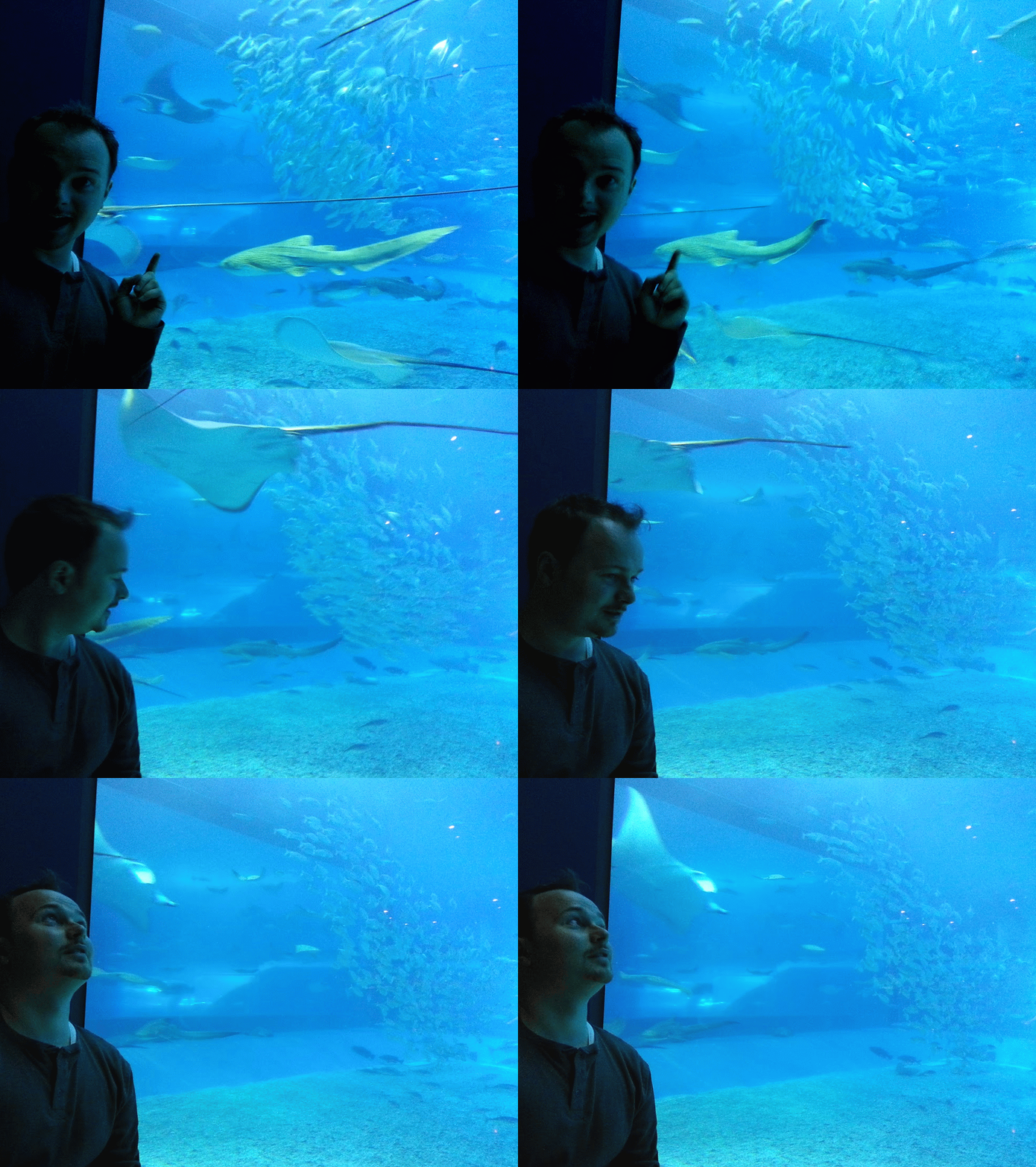
Travelling as a vegetarian in Japan was hard for me in 2014. We cooked at home often because my basic Japanese was not always enough to explain that I did not eat fish, including fish stock and toppings.
Fish ingredients could appear in places I did not expect.
Once I ordered what appeared to be plain broccoli, only for it to arrive covered in katsuobushi, dried bonito flakes.
That trip taught me to ask specifically about stock, sauces and toppings rather than assuming a vegetable dish was vegetarian. When I found food that suited me, it was delicious, including several Japanese takes on Western dishes.
21. Baseball
I had not realised how popular baseball was in Japan. I met people who worked at stadiums and saw teams walking to practice in their caps and uniforms.
It was much more visible on my trip than sumo wrestling. Who would have thought it?
22. Reading Japanese maps? Not for the faint of heart
I usually have a good sense of direction, but the maps in some Tokyo metro stations left me groaning in frustration.
Some local maps were oriented to the direction the viewer was facing rather than putting north at the top. Once I understood that, they made more sense.
Addresses were another adjustment. Outside major avenues, Japan often uses areas and blocks rather than street names, and the numbering may reflect when buildings or lots were registered.
Each time, I promised myself I would study the system properly. Then I found my destination by asking someone or using a map app, forgot the lesson, and repeated the process next time.
23. English loanwords and translations
My Japanese was not wonderful. After two months, I could have basic conversations, but book preparations interrupted my study. I was disappointed that I had achieved less than I wanted, yet I still had enough Japanese to get around.
In many of the places I visited, people spoke to me in Japanese first. I took that as a welcome invitation to practise rather than waiting for someone to switch to English.
I got great practice and found that familiar loanwords written in katakana sometimes helped. Their meaning and pronunciation can shift in Japanese, though, so they are clues rather than guaranteed substitutes for English words.
If an English menu was available, I often took it. Some translations were harder to understand than the Japanese, so a couple of times I compared both versions to work out what was meant.
My favourite example was our rental-car GPS. It translated “coming up” or “just ahead” as “shortly after”, so we would hear “Shortly after, turn left!” and wonder whether we had missed an earlier instruction. Its solemn “Be careful… road merges ahead” warning made every junction sound dramatic.
24. Enthusiastic welcomes and very friendly people
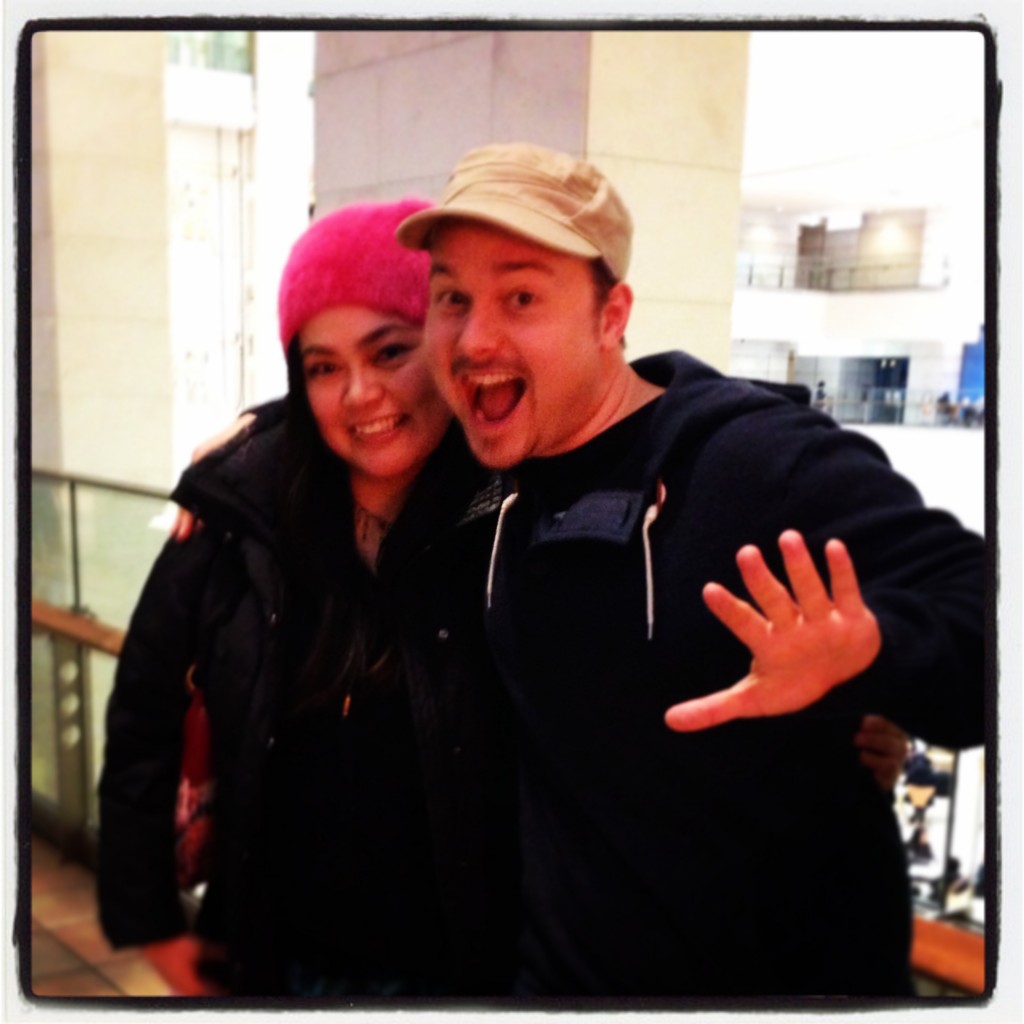
In many shops, staff greeted us with tremendous enthusiasm. In convenience stores, I would hear:
いらっしゃいませ! (Irasshaimase!) This is a standard welcome for customers entering a shop or restaurant.
Some market vendors also struck up conversations when I stopped to look at their goods. It was great practice for my Japanese.
Ultimately, the technology, cafés, toilets and food made the trip memorable, but the people I met along the way defined the experience.
Many people I met were friendly and welcoming. When I think back on my time in Japan, I remember those warm smiles and generous moments of hospitality more than anything else.
If you have travelled in Japan, what surprised you? Share your own experience in the comments, remembering that one trip can only show a small part of a country.

Social