



How to Travel Long Term and Work While Travelling

Full disclosure: This post contains affiliate links. ?
This article was first published on July 10, 2014, my 32nd birthday and the 11th anniversary of the day I left Ireland.
I left Ireland in 2003 with no return ticket. Eleven years later, I was still travelling without a permanent base, and everything I owned weighed about 23 kg.
On my eighth travel anniversary, I shared 29 life lessons from travelling the world. For my tenth, I made a video of my top 10 lessons. This time, I wanted to explain the practical side: how I paid for long-term travel while I was on the road.
The details of travel have changed since 2014, so I’ve updated the advice below. The basic framework still works for me: control your costs, travel slowly, compare the full price of each option and make sure any work you do is legal where you are.
A note from the Fluent in 3 Months team before we get started: You can chat away with a native speaker for at least 15 minutes with the “Fluent in 3 Months” method. All it takes is 90 days. Tap this link to find out more.
So, how do I travel the world?
Long-term travel isn’t accessible to everyone. Money, passports, visas, disability, health, caring responsibilities and discrimination can all shape what is realistic. Some people need a substantial savings buffer; others can combine savings with lawful work as they go.
Start with four questions:
- What will your normal monthly costs be, including insurance and emergencies?
- How flexible can you be about flight dates and routes?
- Which kinds of accommodation suit your budget, safety and access needs?
- Can you legally work at the destination, remotely or for a local employer?
Build the plan around your own constraints. A shorter trip or one stable base can be every bit as worthwhile as living out of a bag.
How to travel the world for cheap

Before trying to make travel cheaper, work out what your life actually costs. Track a few ordinary months, then draft a travel budget with accommodation, transport, food, visas, insurance, medication, mobile data, bank fees, obligations at home and an emergency route home.
Travel may remove costs such as a car or a permanent rental, but it can also leave you paying bills in two places. Don’t assume a cheaper destination will cancel out frequent flights, short bookings or exchange-rate changes.
The savings that have mattered most to me are fairly unglamorous:
- Travel more slowly, so transport and short-stay premiums occur less often.
- Choose accommodation with a kitchen and cook some meals. My guide to travelling as a vegetarian has more ideas for eating on the road.
- Use public transport, walk or cycle where the route is safe and accessible.
- Keep the belongings that matter and sell or store only what makes sense for you. If a lighter setup appeals, here’s how I learned to travel with a compact bag.
- Compare the total cost, not just the headline price. Cleaning charges, baggage, local taxes, deposits and transfers can change the answer.
Learning some of the local language can also help you read signs, understand transport and ask about options that aren’t obvious in English. It won’t guarantee a discount, but it makes everyday decisions easier and connects you with the place beyond its tourist services.
How to find cheap airfares

There is no universal best website or booking window. My approach is to compare widely, then check the airline’s own offer before paying.
- Search a flexible date range with tools such as Google Flights, Skyscanner or Kayak. Nearby dates or airports can produce a different fare.
- Compare the all-in journey: baggage, seat fees, airport transfers, overnight stops, transit rules and the value of your time.
- Check the same itinerary directly with the airline. If the price and conditions are similar, booking direct can make changes easier because there is no extra agency between you and the carrier.
- Read the change, cancellation and missed-connection terms before paying. Separate tickets can be cheaper, but one airline may have no duty to help if a delay makes you miss the next flight.
Round-the-world tickets can suit a fixed multi-stop itinerary, while separate tickets give more flexibility. Price both against the trip you actually want rather than assuming either format is cheaper.
How to find cheap or free lodging
Moving every few days usually costs more than staying put. For longer stays, compare the full cost of hostels, hotels, guesthouses, apartment rentals and direct monthly lets. A kitchen, laundry, reliable internet and a workable location can be worth more than the lowest nightly rate.
Other arrangements can reduce the cash price, but “free” accommodation still comes with commitments and risks:
- Hospitality exchanges such as Couchsurfing connect travellers and hosts. Read recent references, keep communication on the platform, research the area and keep a backup plan.
- House-sitting may exchange pet and property care for a stay. Confirm the duties, dates, insurance, accessibility and emergency arrangements in writing.
- WWOOF describes itself as an educational and cultural exchange with organic farmers, not a guaranteed source of accommodation. Check whether the activity is permitted under your immigration status.
- Camping can be economical where it is legal and suitable, but include equipment, campsite fees, weather and transport in the calculation.
Whatever you choose, read current reviews, verify the address and cancellation terms, and keep enough money to leave if the arrangement is unsafe or unsuitable. I’ve written separately about how I compare accommodation for longer trips.
How to work while travelling

Earning while you travel can extend a trip, but it doesn’t remove the need for savings. Income can be irregular, equipment can fail and a contract can end. Keep an emergency buffer and decide what happens if the work disappears.
There are two broad approaches: get a local job or take work you can do online. Both may require work permission, registration, tax and insurance arrangements.
1) Get a job on-location
EU nationals can generally work as an employee or a self-employed person in another EU country without a work permit. The EU’s official working-abroad guide notes that residence, tax, benefits and insurance conditions still apply.
Outside arrangements such as EU free movement, check the destination government’s immigration and labour websites before applying for work or booking travel. A potential employer can explain its sponsorship process, but the official authority decides what your status permits.
As an Irish student, I twice used a J-1 visa to work in the United States. On another trip, a university hired me as a summer-school teacher and handled its side of the process. Those are personal examples from my earlier travels, not a template for today’s rules.
Students can also ask their university about current study-abroad or work-placement routes. Eligibility and work-hour limits vary, so confirm them for your nationality, programme and destination.
What work can you do on-location?

English teaching was one of my main routes into work abroad. I began with a weekend TEFL course, built experience and later worked for schools including Berlitz and Wall Street Institute. Requirements are not the same everywhere: a school may ask for a degree, a longer teaching qualification, experience or a particular visa.
Across my travels, I also worked as a:
- Youth-hostel receptionist
- Store manager
- Photographer
- Office assistant
- Engineering intern
- Go-kart race controller
- Computer-repair and on-site technical-support worker
- English teacher
- On-site translator
Your options depend on your qualifications, languages, accessibility needs and legal right to work. Learning the local language can widen the range of roles and help you understand workplace expectations.
2) Get a location independent job

I worked locally during my first years of travel. Moving every few months meant repeatedly finding new work, so I later shifted towards services I could deliver online.
Possible routes include:
- Freelance translation, once you have the language level and professional skills. My guide explains how I started as a freelance translator.
- Online tutoring. Preply, for example, lets approved tutors set availability and rates, but charges commission and does not guarantee bookings.
- Coaching or consulting in an area where you have genuine experience. Check any licensing, insurance and privacy requirements for the service you offer.
- Remote employment or freelance work based on an existing skill. Marketplaces such as Upwork are one route, but fees, competition and platform rules matter.
- Books, courses or other digital products. These take time to make and market, and sales are never guaranteed.
Before depending on online work, test your income at home. Then plan for time-zone differences, secure internet, data protection, equipment insurance and somewhere suitable to take calls.
What kind of working visa do I need?

There is no single visa for working while travelling. A tourist or visitor status may prohibit work, including some forms of remote work, even when the employer or client is elsewhere. Other countries offer working-holiday, business or digital-nomad routes with their own limits.
Check the official immigration rules for your passport, destination, length of stay and exact activity. If the wording is unclear, get advice from the authority or a qualified immigration professional. Don’t rely on a forum post or the idea that online work “doesn’t count”.
For context, the “three months” in this site’s name came partly from the three-month stays that shaped my early travel rhythm, as I explained in the original Fluent in 3 Months story. It was never a universal visa rule.
How do I set myself up as a business?
Whether you should be an employee, sole trader, freelancer or company depends on where you are resident, what you do and where the work is carried out. Registering a business at home does not automatically give you permission to work in another country.
Before leaving, ask an accountant or lawyer who understands cross-border work about registration, contracts, tax residency, social insurance, invoicing and record-keeping. Compare payment providers by fees, exchange rates, withdrawal rules and availability in the countries you use.
I started as a freelance translator and was paid mainly by European bank transfer. The tools have changed since then; the important part is having a legal setup, reliable records and more than one way to access your money.
When everything is combined, long-term travel can become manageable
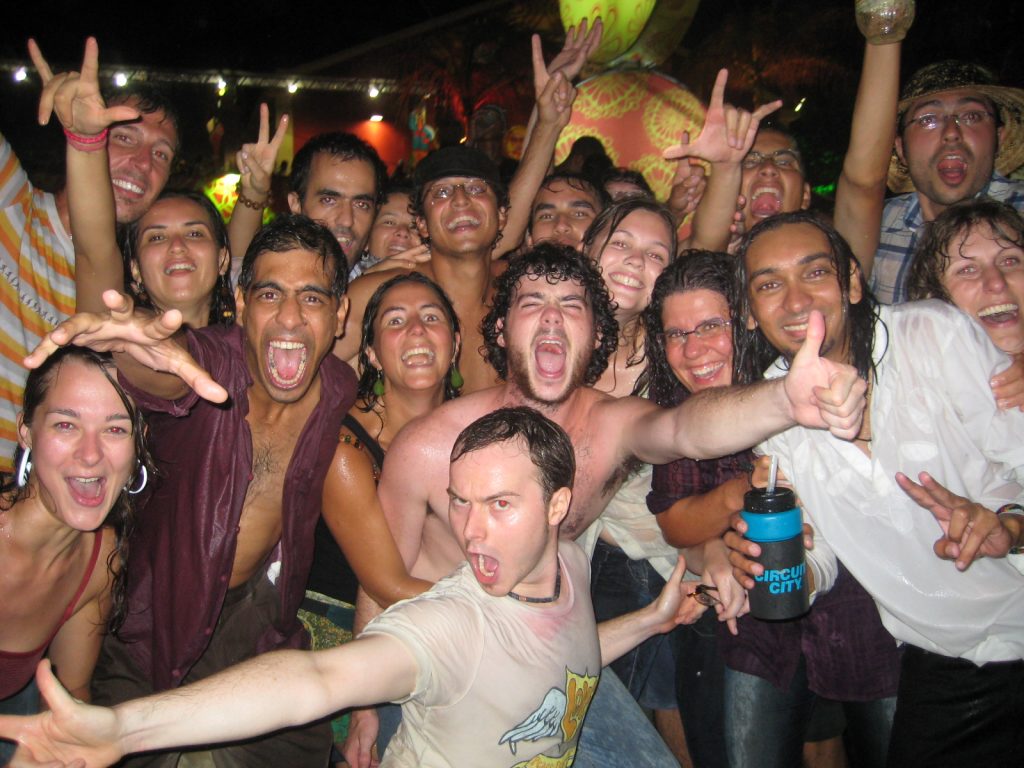
For me, the workable combination was:
- Tracking spending and keeping my lifestyle fairly simple
- Using flexible dates and comparing the full cost of flights
- Travelling slowly enough to reduce transport and accommodation costs
- Building portable income before relying on it abroad
- Checking work permission, tax and insurance instead of treating them as afterthoughts
In 2014, I was travelling quickly for a book tour and spending more on accommodation than I did during my usual three-month stays. That contrast reinforced the lesson: speed and flexibility pull a budget in opposite directions.
Long-term travel is not automatically cheap or sustainable. But with a realistic buffer, a pace you can maintain and lawful income, it can become a practical choice rather than a lottery fantasy.

Social