


“Skype Me Maybe”: 17 Polyglots Sing in More Than 30 Languages

Full disclosure: This post contains affiliate links. ?
Archive note: I published “Skype Me Maybe” in 2012, when Skype was one of the most familiar ways to speak with someone abroad. Microsoft retired the consumer Skype service on 5 May 2025. The video and the collaboration behind it remain worth preserving, but “get on Skype” is no longer current advice. Today, use whichever reputable video-calling or language-exchange service suits both speakers.
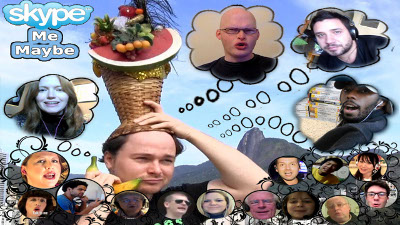
This was one of the most ambitious collaborations I had organised for the site at that point: 17 polyglots, more than 30 languages, one pop-song parody and a simple message. You did not have to travel to start speaking with people who used the language you were learning.
A note from the Fluent in 3 Months team before we get started: You can chat away with a native speaker for at least 15 minutes with the “Fluent in 3 Months” method. All it takes is 90 days. Tap this link to find out more.
Quick Background
Richard Simcott had invited me to contribute to and help organise the Polyglot Conference. During a Skype call about the event, I suggested bringing a group of polyglots together in one music video. The closing section would encourage viewers to learn more about the conference.
The result took far more than one group call. I drafted the base lyrics, contacted contributors, matched verses with languages, tried to avoid unnecessary overlap, reviewed several takes, and assembled the audio and video. Contributors also checked and adapted lines so that they worked in their languages rather than merely following the English word for word.
The story casts me as a discouraged language learner. Sixteen other polyglots appear with encouragement, sung to the tune of Carly Rae Jepsen's “Call Me Maybe”. The language count appears in the top-right corner, and the video includes subtitles.
In the original post, I asked readers to contribute more subtitle files and share the video through Facebook. That time-specific request is now closed. The video itself is still available above with the subtitles currently attached to it.
The platform has changed, but the useful idea has not. A video call can give you regular contact with a tutor, exchange partner or friend without the cost of a journey. Choose a service together, protect your personal information, and set expectations about timing and feedback before the call.
I also wanted the cast to challenge the idea that a polyglot has one particular look or background. The contributors included men and women of different ages and ethnic backgrounds. It was not a complete picture of the language-learning world, but it was broader than the stereotype I kept encountering at the time.
Contributors
Here are the 16 contributors in their order of appearance after me. These notes describe how I knew them and what they contributed in 2012; they are not claims about anyone's current work or language level.
Susanna Zaraysky
Susanna helped shape the English lyrics that contributors used as a starting point, and she introduced me to several people I had not yet met. We had already collaborated on Fi3M guest posts and multilingual street conversations in San Francisco.
Richard Simcott
Richard's work on the Polyglot Conference prompted the project. He had already become well known in online polyglot circles through multilingual videos and his Speaking Fluently blog, and this was our first substantial collaboration before meeting in person.
Idahosa Ness
Idahosa had contributed several Fi3M posts about rhythm, rap and pronunciation. His musical experience made him an obvious person to invite to a multilingual song.
Jana Fadness
Jana was part of the site's early community and shared her language learning through a blog and YouTube videos. The finished collaboration also shows what a strong singer she was.
Fasulye
Fasulye contributed regularly to language-learning forums and made videos about the languages she studied.
Mike of Glossika
Mike and I had previously recorded a Mandarin video together. His interest in languages spoken in Taiwan and elsewhere in the region brought another perspective to the group.
Luca Lampariello
Luca was making multilingual interviews and writing The Polyglot Dream. He also checked my Italian lyrics and helped make them rhyme.
Mae
Mae was active in online language-learning discussions and checked my German for the project.
Steve Kaufmann
Steve and I did not agree on every language-learning method, but we agreed on encouraging people to learn. We set those differences aside for the video, and I used his suggested improvement to my English lyrics.
Iversen
Iversen was an active contributor to the How to Learn Any Language forum and shared language videos and paintings on YouTube.
Judith Meyer
Judith and I had met at Esperanto gatherings and while I lived in Berlin. She was known online as Sprachprofi, and her book helped me during my first week learning to read Arabic script.
Timothy Doner
Timothy was a teenager when a 2012 New York Times profile and his own videos brought wide attention to his language learning.
Haikaa Yamamoto
I discovered Haikaa through a multilingual singing video, so inviting her to this project made immediate sense.
Félix Wang
Félix and I had met while I was passing through Brussels. At the time, his channel included interviews and multilingual demonstrations.
Stu Jay Raj
Stu Jay and I had recorded a conversation after his suggestions helped me approach Thai script. He later wrote a guest post for Fi3M.
Moses McCormick
Moses and I had filmed a language “levelling up” session in Columbus, Ohio. For this video, he appeared in front of the language-learning books that many viewers associated with his work.
The technology in the title belongs to its moment. What I still like about the project is the collaboration: people with different methods and backgrounds made something together, and the invitation to speak with another person did not depend on buying a plane ticket.

Social